Cycling the Ancient Pilgrimage Roads: Shikoku’s 1,000km Spiritual Circuit

Among Japan’s four main islands, Shikoku may be the smallest — yet it offers one of the country’s most profound cycling journeys. The Shikoku 1,000km Circuit Route (also known as the Shikoku Round Cycling Route) has become a rising destination for international cyclists seeking more than just scenery. This is not only a ride around an island — it is a journey through 1,200 years of living spiritual culture. At the heart of this experience lies the legendary Shikoku 88 Temple Pilgrimage (Ohenro).
What Is the Shikoku Pilgrimage (Ohenro)?
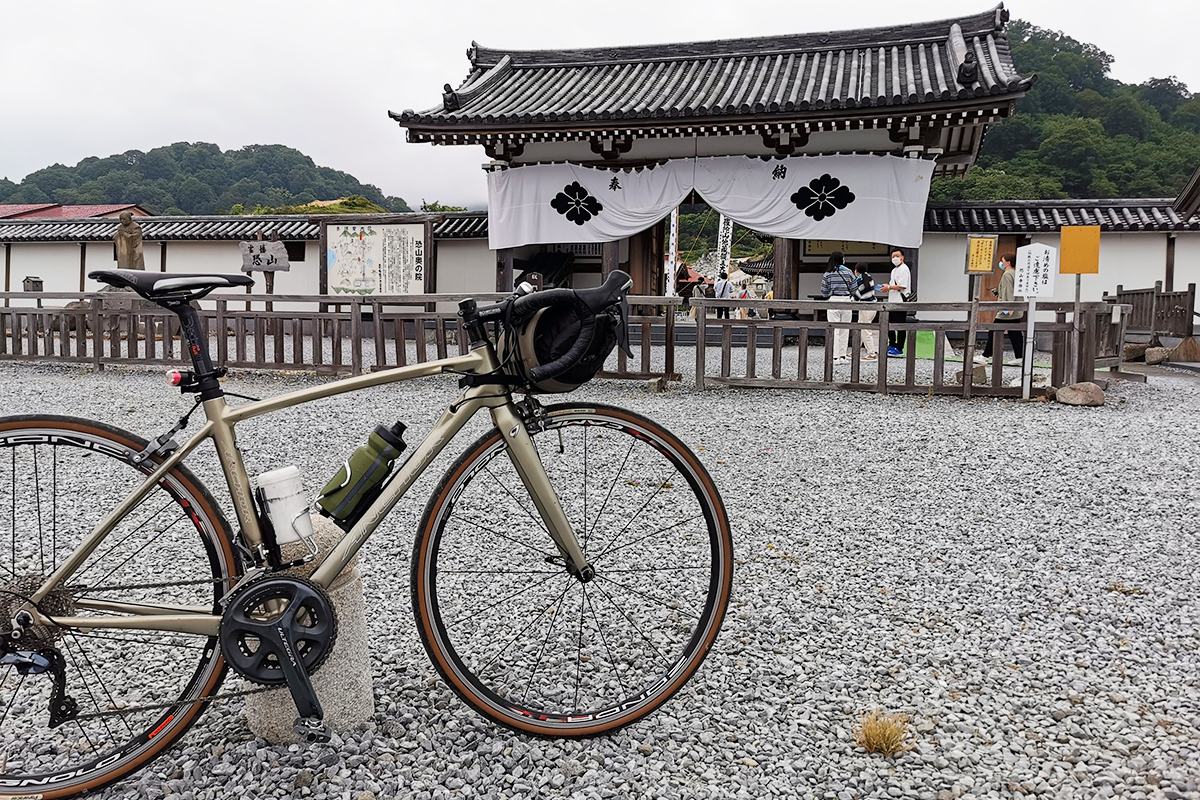
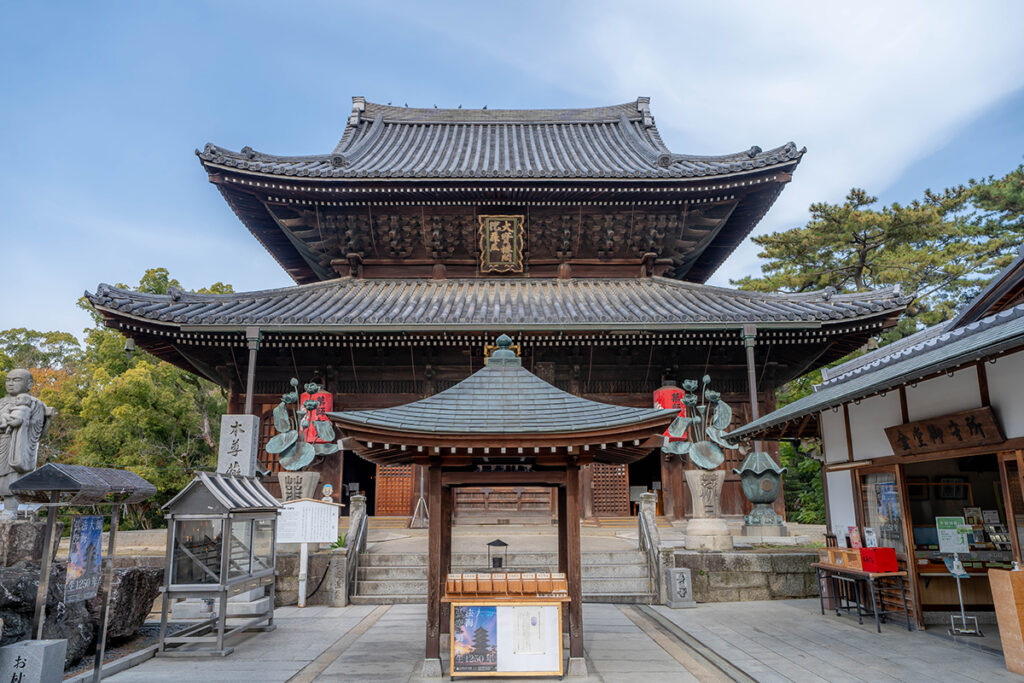
The Ohenro pilgrimage is a 1,200km route connecting 88 Buddhist temples associated with the monk Kukai (also known as Kobo Daishi), who founded Shingon Buddhism in the 9th century.
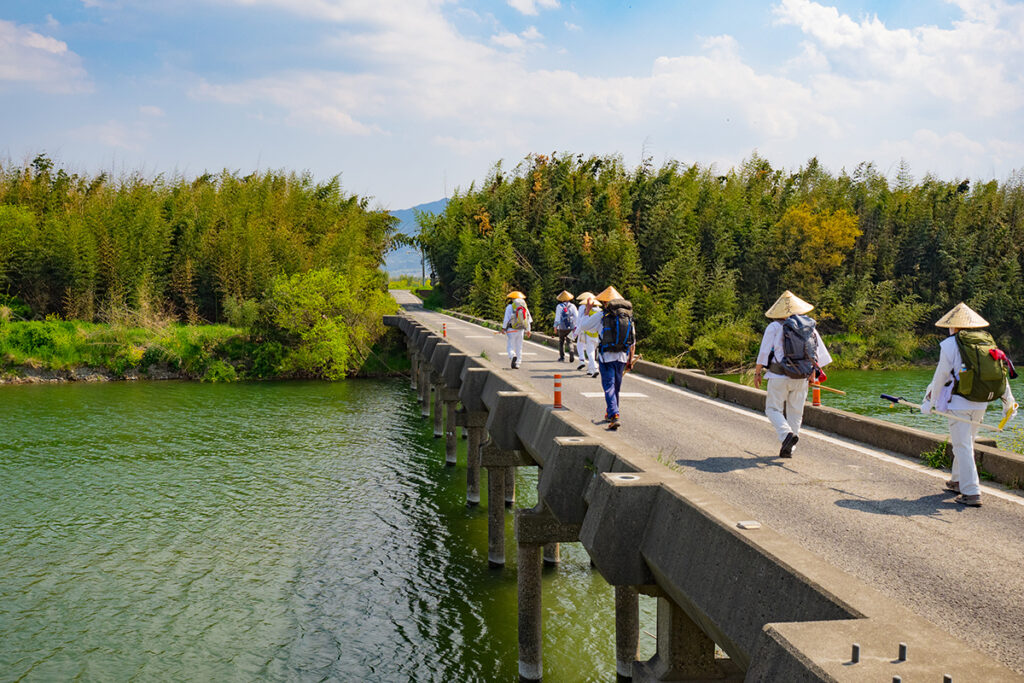
For over 1,200 years, pilgrims have walked this route for various reasons:
- Prayer & Gratitude – Seeking healing, protection, or giving thanks.
- Memorial Journey – Honoring loved ones who have passed away.
- Self-Discovery & Reset – Stepping away from daily life to reflect on one’s purpose.
The Unique Spirit of the Pilgrimage
Two cultural concepts define this journey:
- Dogyo Ninin (“Two Traveling Together”)
Pilgrims believe they walk alongside Kobo Daishi spiritually. Even when alone, they are never truly alone. This idea provides emotional resilience during long, challenging stretches. - O-settai (Local Hospitality)
Along the road, locals may offer drinks, fruit, or encouragement. This practice, called O-settai, is not simply kindness — it reflects mutual respect between traveler and community.
Cyclists riding the Shikoku Circuit often experience this same warm hospitality.
Four Prefectures, Four Stories
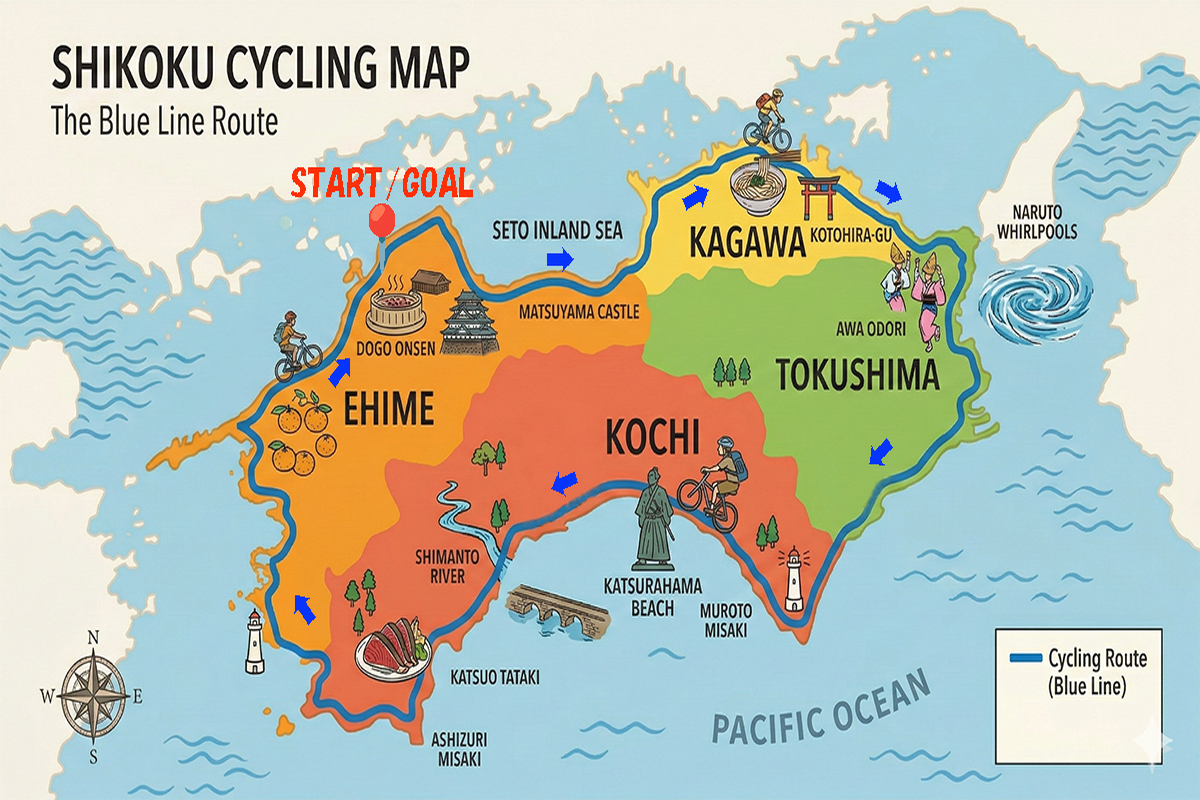
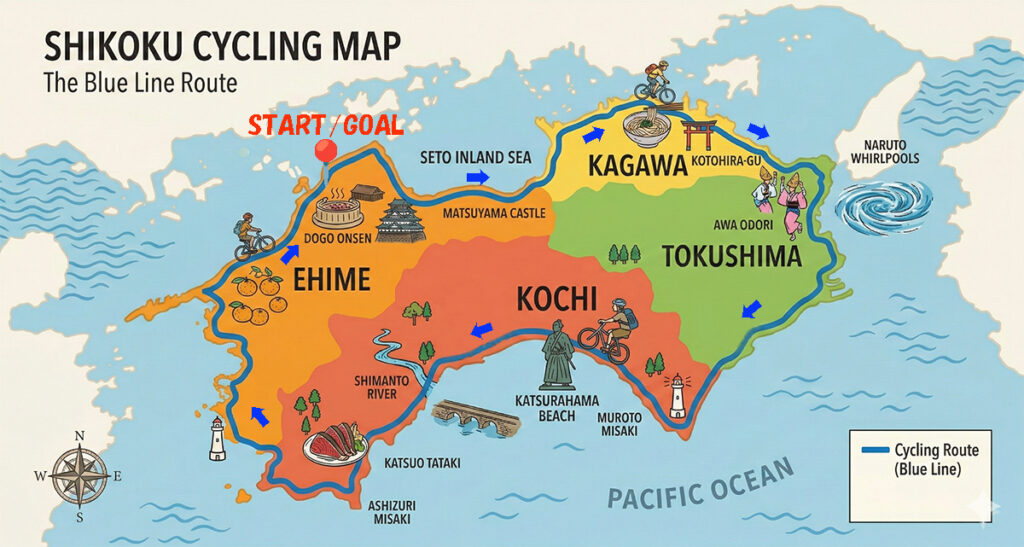
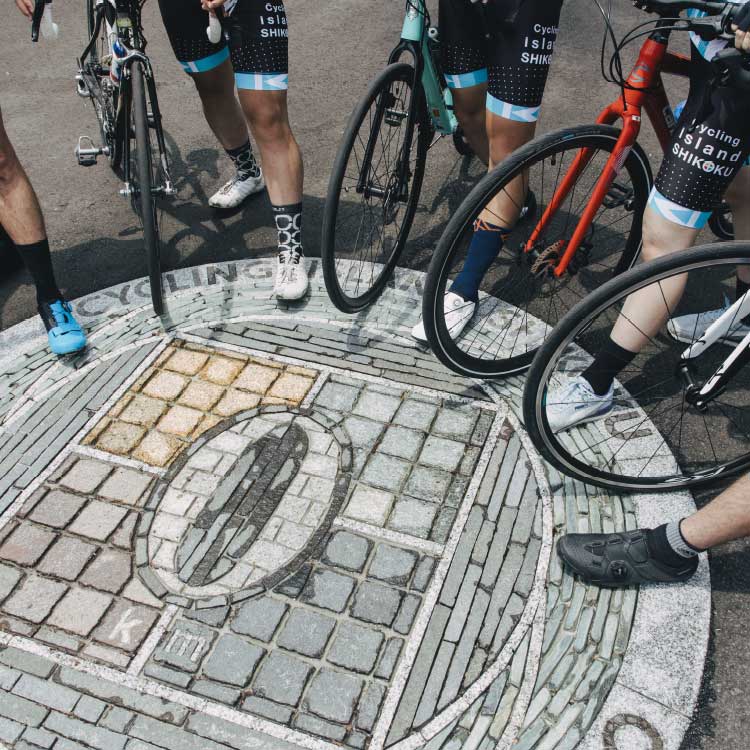
The 1,000km route is clearly marked by a blue line painted on the road, making navigation easy even without Japanese language skills.
A popular starting point is the “0km Monument” at Ehime Prefectural Office in Matsuyama.
Shikoku consists of four prefectures.
Kagawa – The Udon Kingdom
Famous for Sanuki Udon, Kagawa offers affordable, carbohydrate-rich fuel ideal for long-distance cycling.
Visit Zentsu-ji, birthplace of Kukai, or take a detour to art islands like Naoshima.
Tokushima – Whirlpools and Mountain Challenges
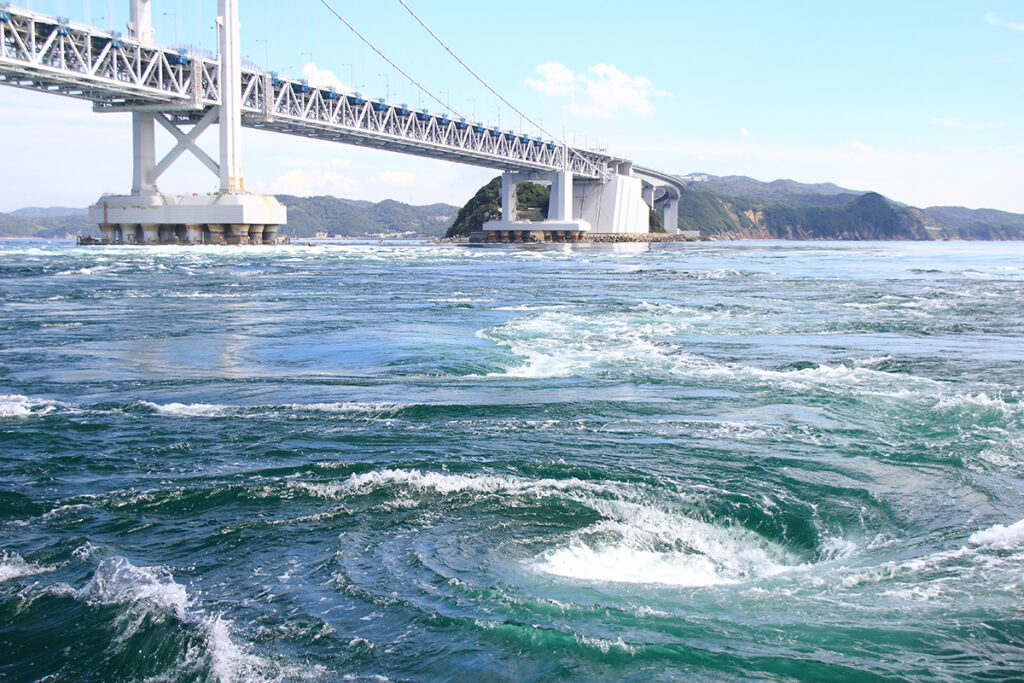
Home to the dramatic Naruto Whirlpools and the energetic Awa Odori festival.
The mountainous interior offers demanding climbs and lush green landscapes.
Kochi – Pacific Blue and Japan’s Last Clear Stream
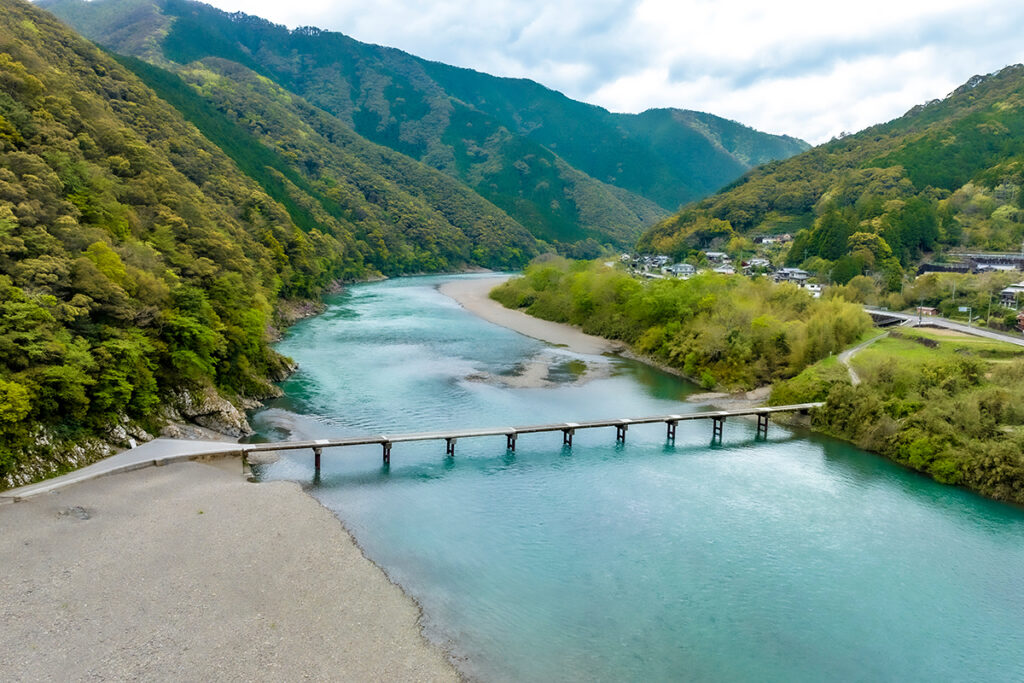
Kochi makes up nearly half the route. Ride alongside the Pacific Ocean and the pristine Shimanto River.
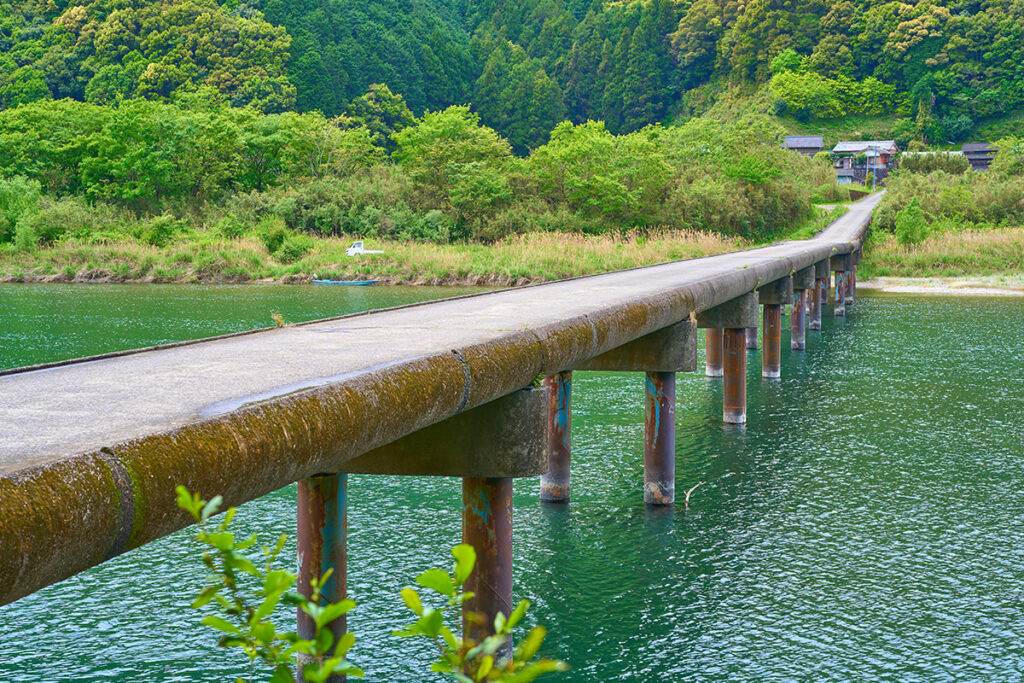
Cross unique chinkabashi (submersible bridges), designed without railings to withstand flooding.
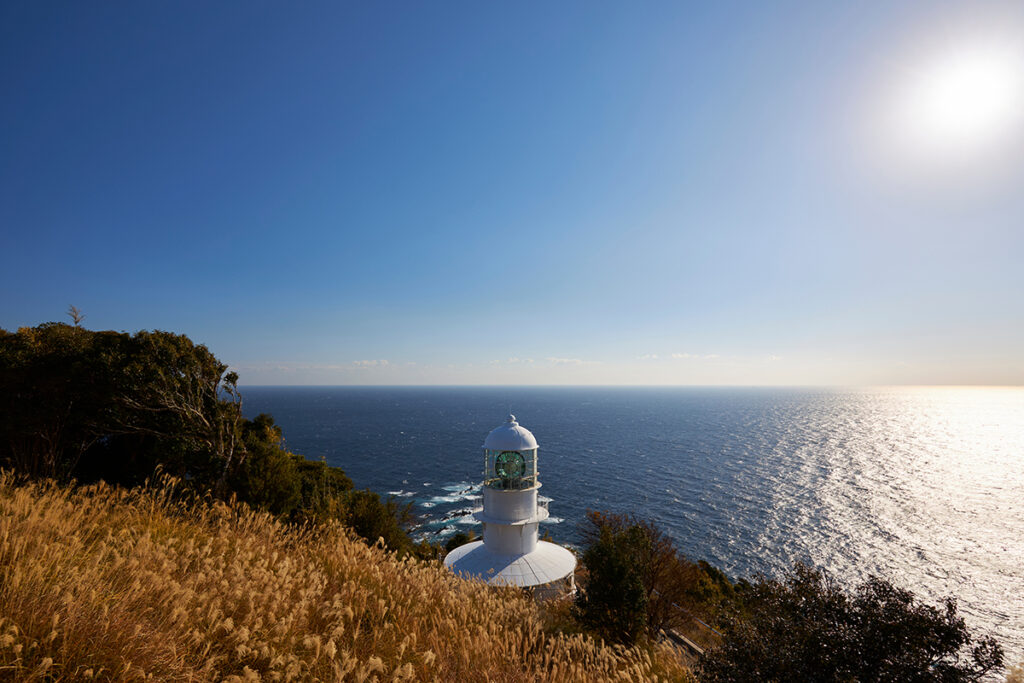
At Cape Ashizuri, dramatic cliffs and a white lighthouse overlook a 270-degree ocean panorama.
Ehime – Onsen and Island Sea Views
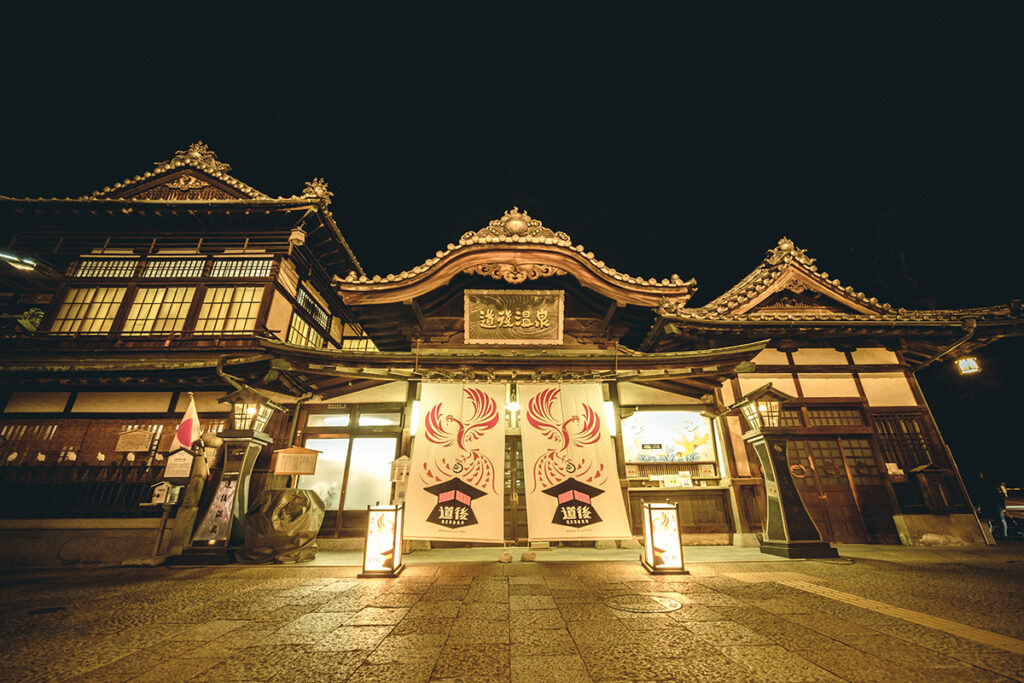
Finish your journey at Dogo Onsen, one of Japan’s oldest hot springs.
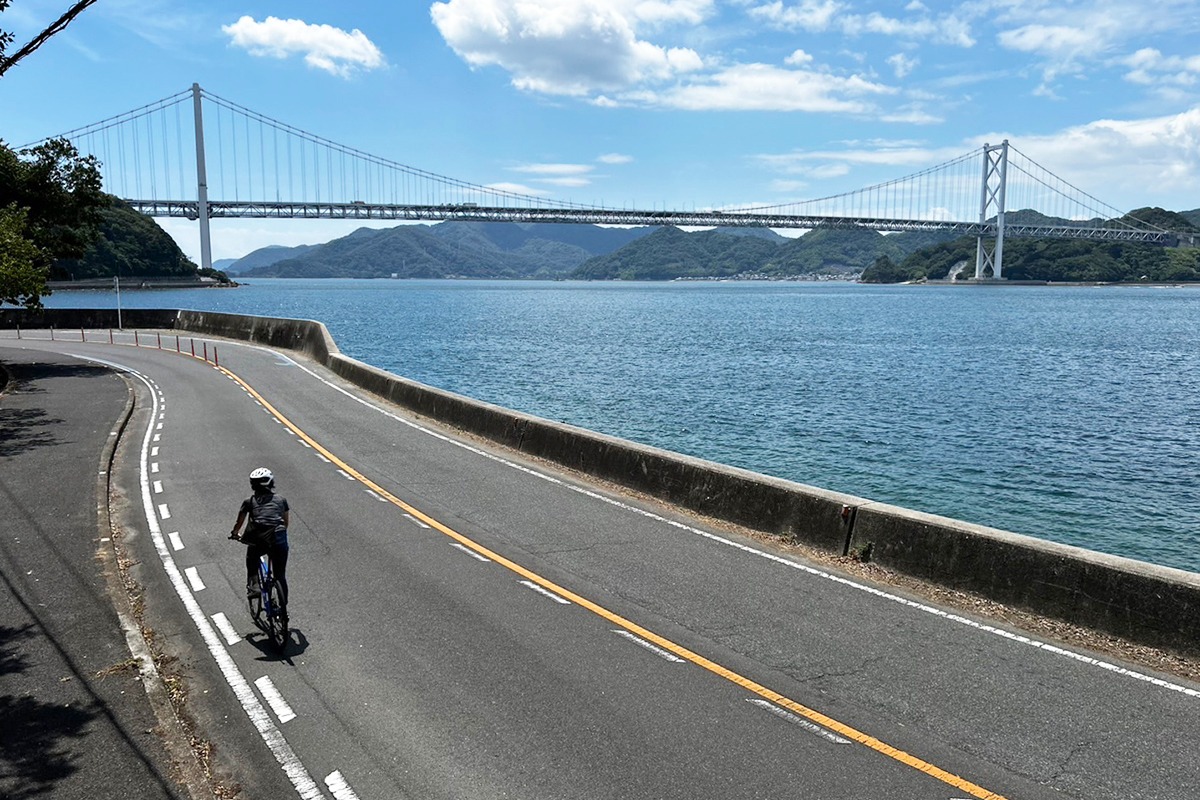
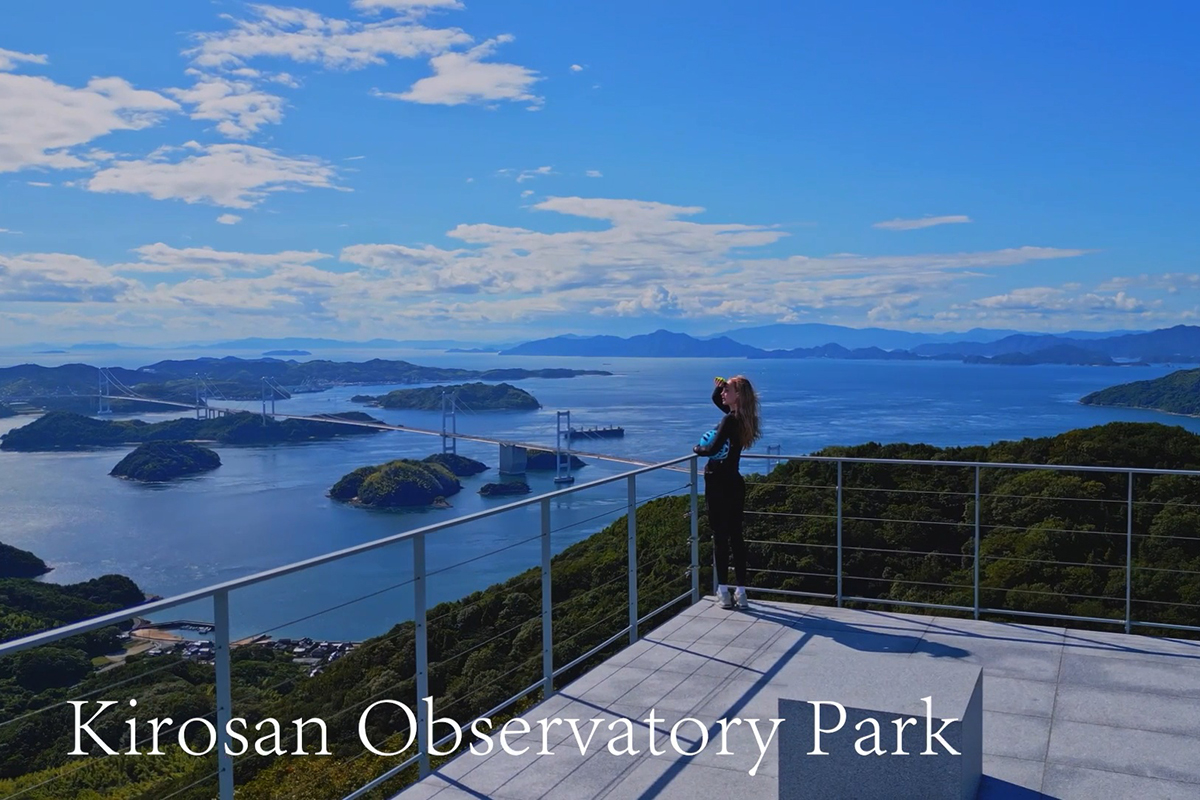
Ehime is also the gateway to the famous Shimanami Kaido cycling route.
Difficulty & Planning
- Distance: approx. 1,000km
- Elevation gain: approx. 10,000m
- Level: Intermediate to Advanced
Japan drives on the left. Riding clockwise keeps the ocean on your left side, improving safety.
Recommended duration: 10–14 days (70–100km per day)
Best seasons: March–May (cherry blossoms, fresh greenery) and October–November (autumn foliage).Summer can exceed 35°C with high humidity.
Shikoku: A Gourmet Island for Cyclists
For cyclists, food is not just enjoyment — it is fuel.
Shikoku’s four prefectures offer remarkably diverse culinary cultures.
Kagawa – The Udon Kingdom
There are approximately 600 udon shops in Kagawa Prefecture. Many open as early as 6:00 a.m., making them ideal for pre-ride energy loading.
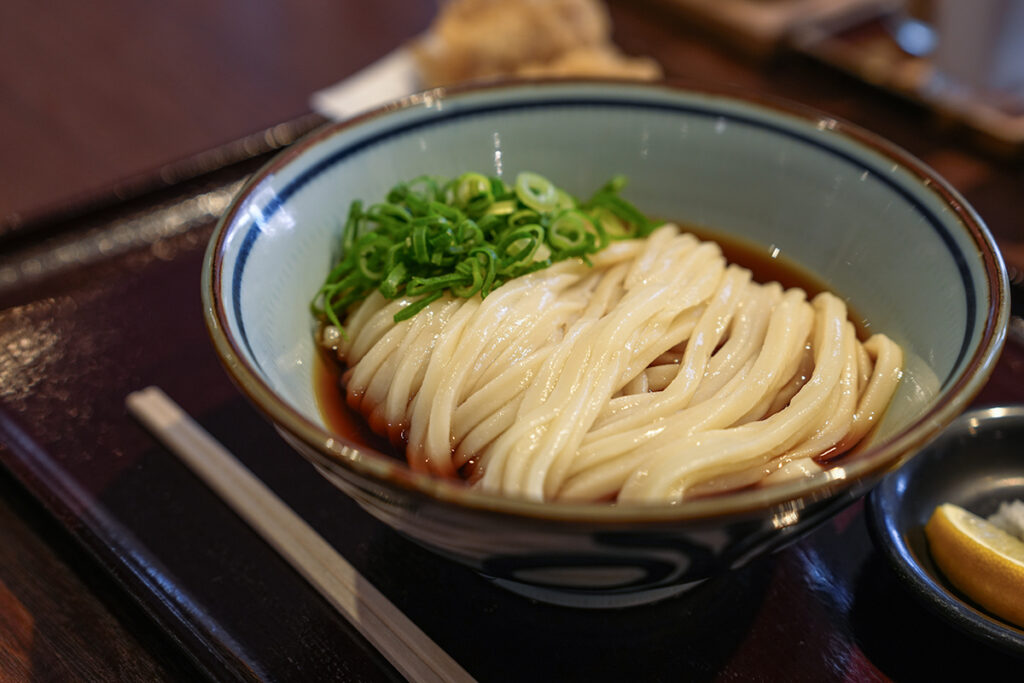
Sanuki Udon is famous for its firm texture and simple yet flavorful broth.
Popular styles include:
- Kake Udon – Hot noodles served in light dashi broth
- Bukkake Udon – Cold noodles with concentrated broth poured on top
- Kamatama Udon – Freshly boiled noodles mixed with raw egg and soy sauce
“Kamatama” is especially popular among cyclists as a powerful, affordable carbohydrate source.
Tokushima: Hearty Tokushima Ramen
With its mountainous terrain, Tokushima calls for substantial energy intake.
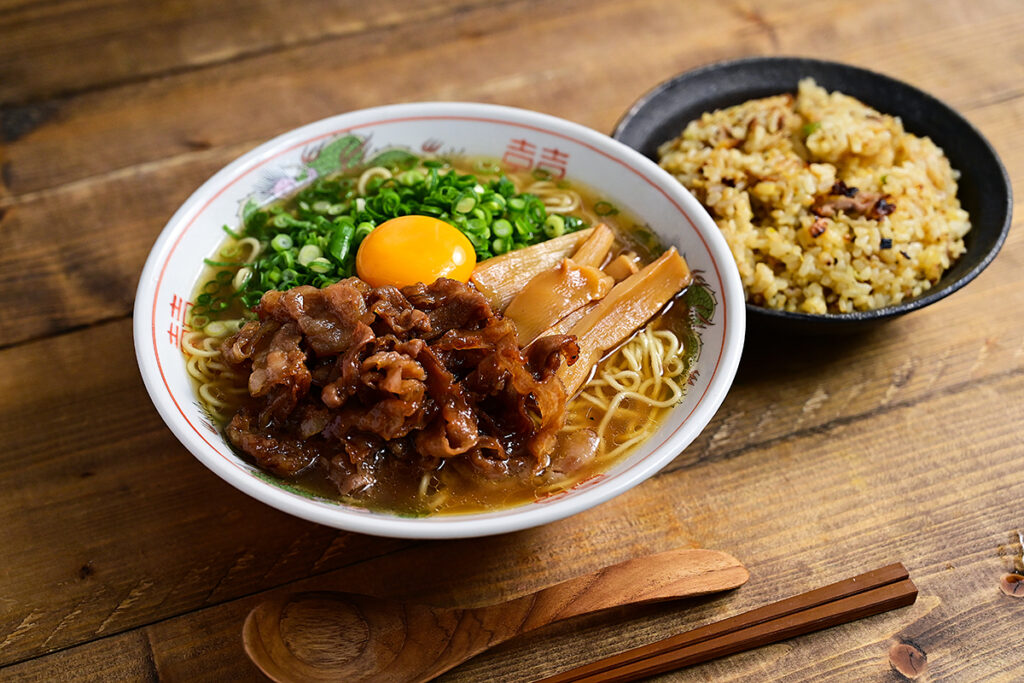
Tokushima Ramen features a rich pork-bone and soy sauce broth, topped with sweet-simmered pork belly and raw egg. It is commonly eaten together with rice — the Tokushima style.
Kochi: Seared Bonito (Katsuo no Tataki)
Roads in Kochi are long and can feel solitary. In the evening, visit a local izakaya and connect with residents.
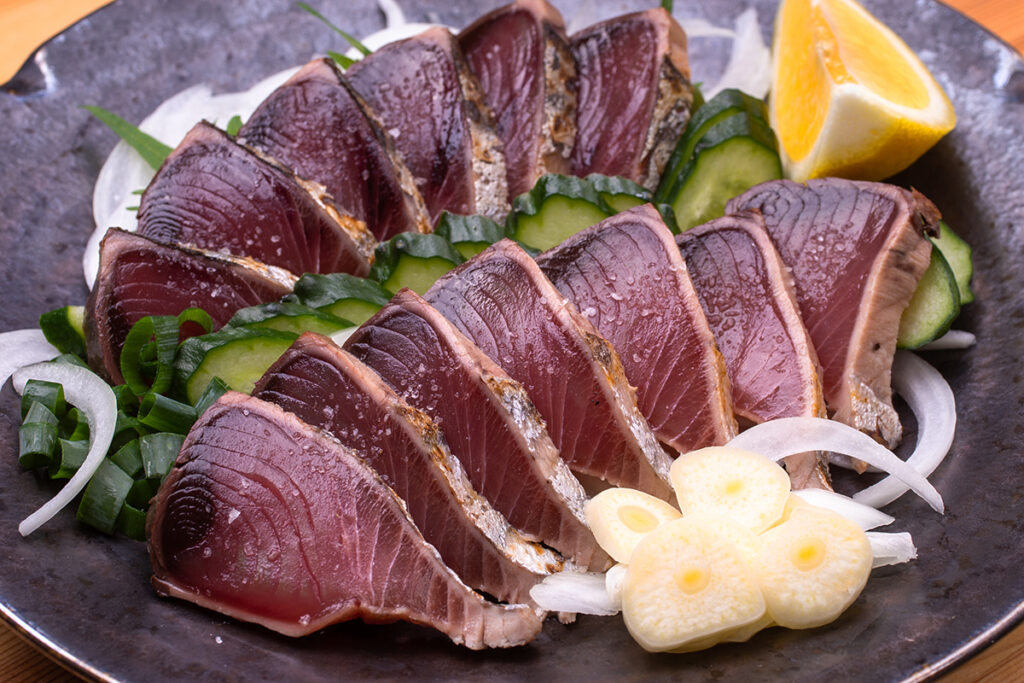
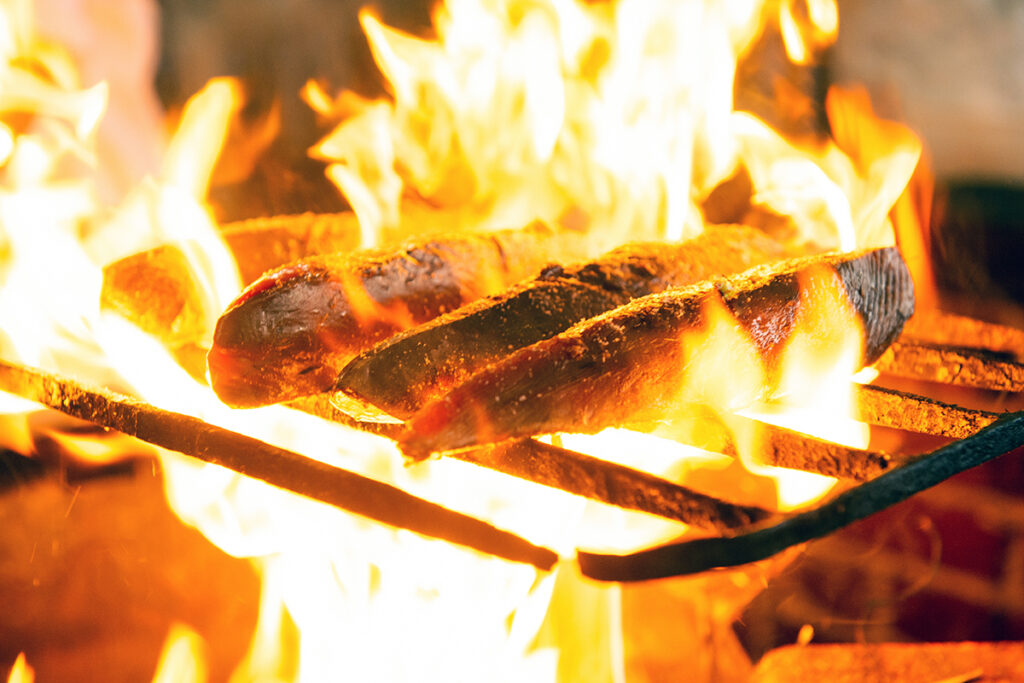
The must-try dish is Katsuo no Tataki — bonito lightly seared over a straw flame, served with garlic and salt or soy sauce. Pair it with local sake for a complete Kochi experience.
Ehime: Tai-meshi and Citrus
In Ehime, refined seafood and refreshing vitamins await.
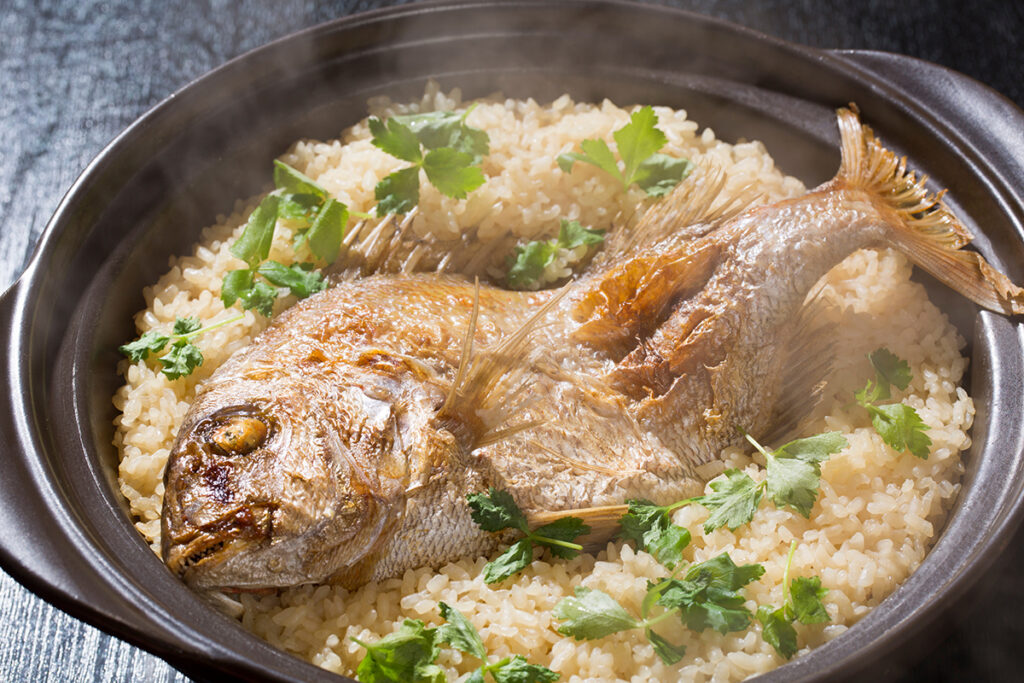
The regional specialty Tai-meshi (Sea Bream Rice) comes in two styles:
- Fresh sea bream sashimi mixed with a special sauce and raw egg, then poured over hot rice
- Sea bream cooked together with rice in a clay pot or kettle
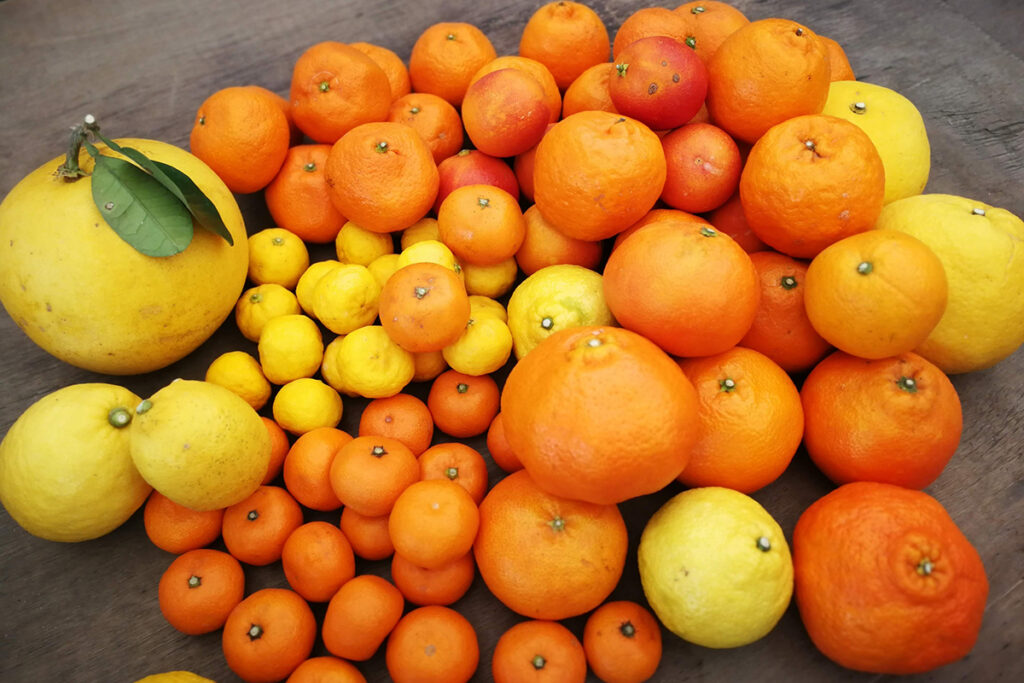
Ehime is also one of Japan’s leading citrus-producing regions. Enjoy various seasonal citrus fruits to refresh your body with natural citric acid.
Bring Your Bike Indoors: Cyclist-Friendly Accommodation
To complete the 1,000km Shikoku Circuit, quality rest and high-calorie refueling are essential. In recent years, bike-friendly accommodation has increased rapidly across Shikoku.
Many properties now allow:
- Bringing bicycles into guest rooms
- Secure indoor storage with locks
Below are representative options:
| Area | Recommended Accommodation | Features |
| Ehime (Imabari / Matsuyama) | CYCLO NO IE | A popular base for the Shimanami Kaido. Guesthouse style, ideal for meeting cyclists from around the world. |
| Kochi (Kochi City / Shimanto) | Hotel Seira Shimanto | Overlooks the Shimanto River. Offers special plans allowing bicycles inside rooms. Canoe activities available. |
| Tokushima (Tokushima City / Naruto) | AoAwo Naruto Resort | Resort near the Naruto Whirlpools. Equipped with maintenance space and open-air baths with scenic views. |
| Kagawa (Takamatsu) | WeBase Takamatsu | Located in central Takamatsu. Secure indoor bike stands and modern, clean lounge spaces. |
Access to Shikoku
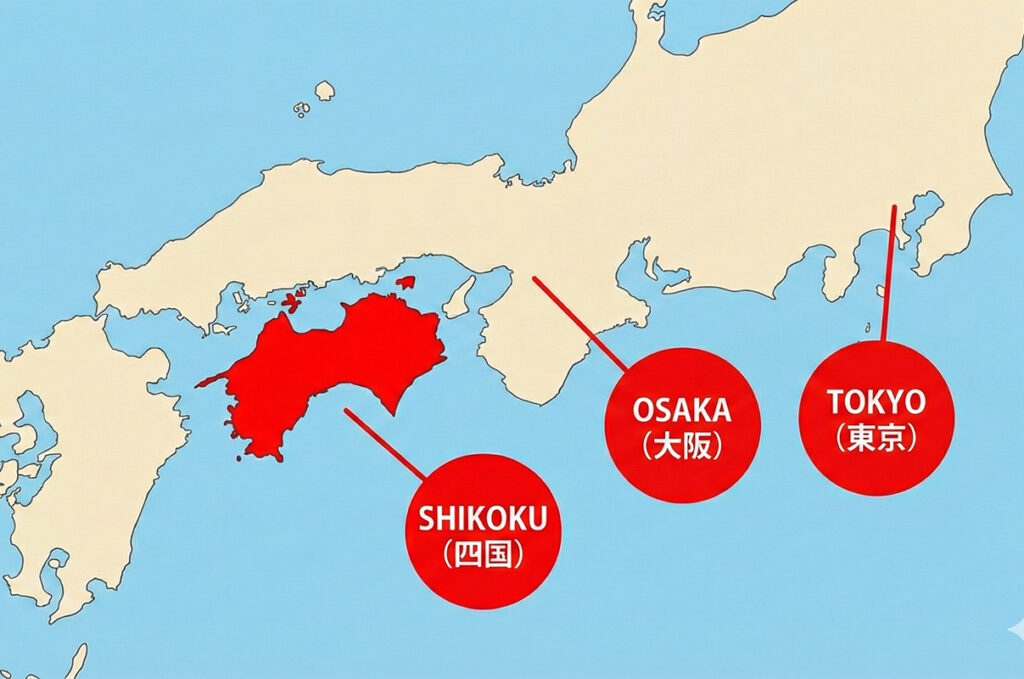
Shikoku lies southwest of Japan’s main island (Honshu), bordered by the calm Seto Inland Sea to the north and the vast Pacific Ocean to the south.
Access from Tokyo
| Method | Destination | Features |
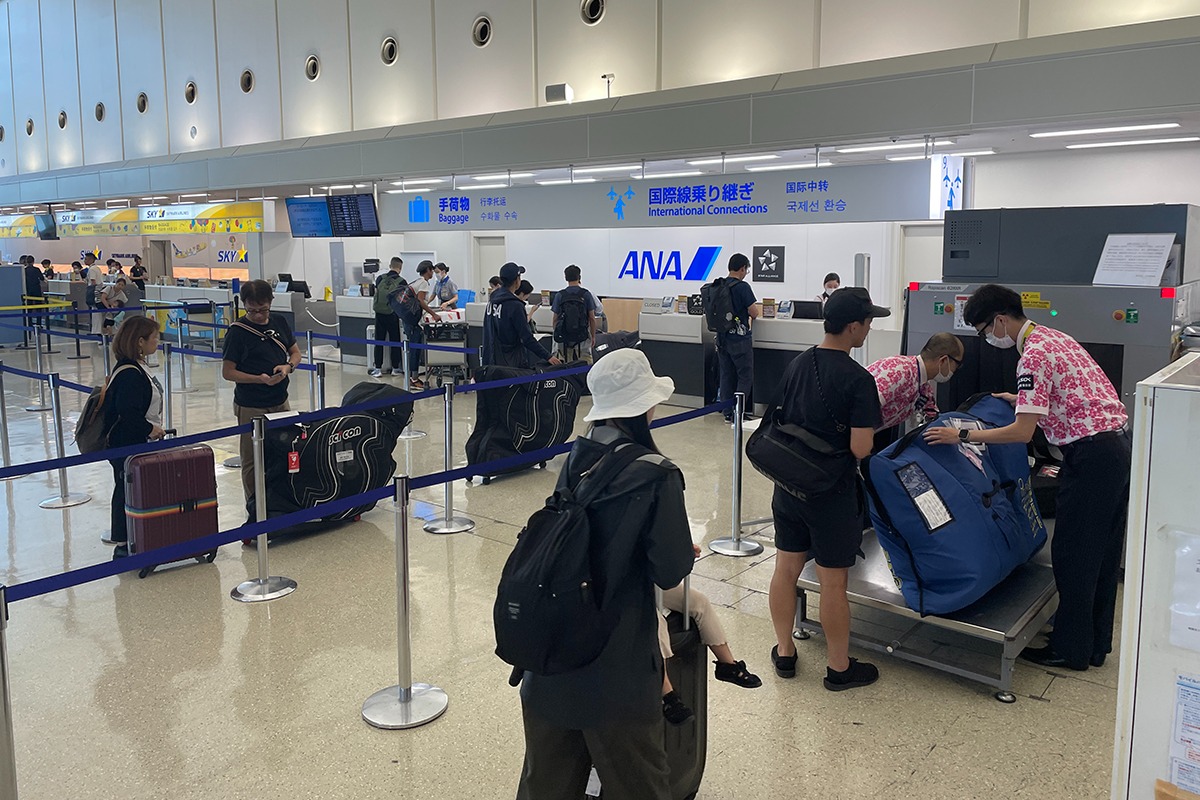
| Airplane (JAL / ANA / LCC) | Matsuyama Airport | Fastest and most recommended option. The airport has a bicycle assembly space (cycle pit), allowing riders to start cycling immediately. |
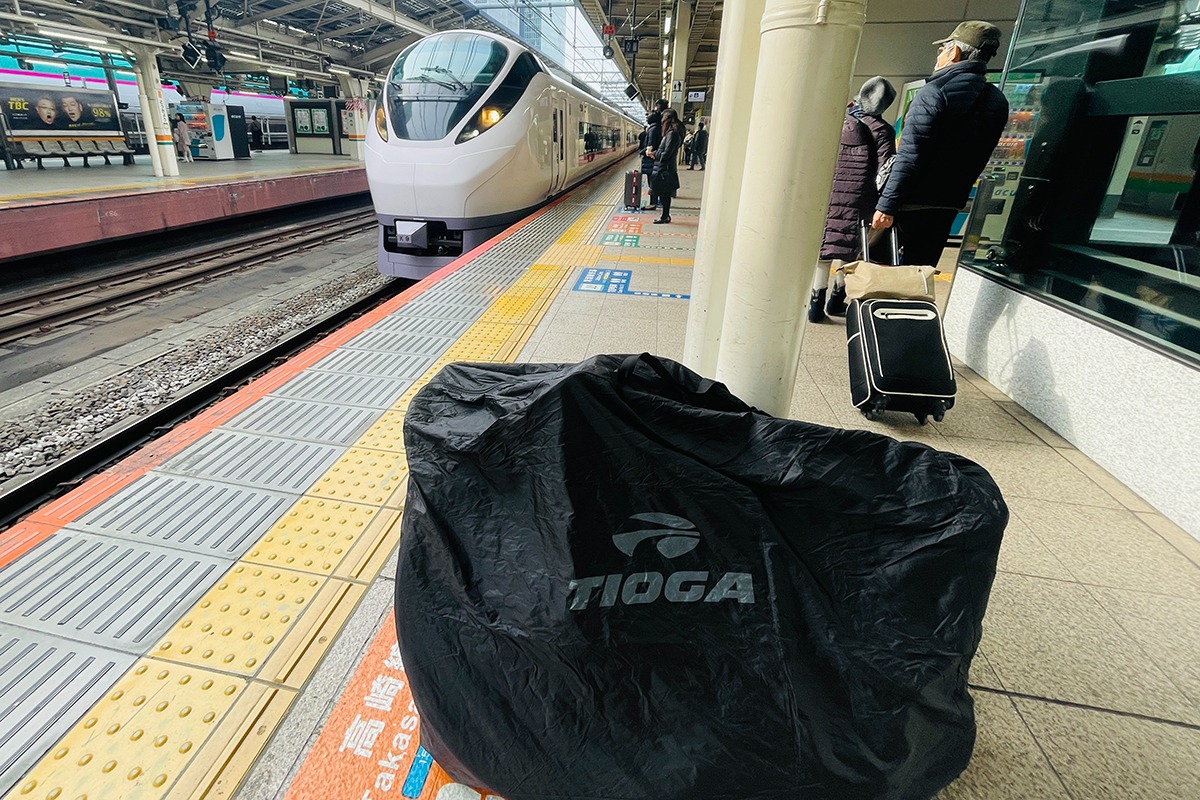
| Shinkansen + Marine Liner Rapid Train | Takamatsu Station | Transfer at Okayama Station. Takes longer, but trains run frequently and are easy to schedule. |
Access from Osaka
| Method | Destination | Features |
| Orange Ferry | Toyo Port (Ehime) | Departs from Osaka Nanko at night and arrives in Ehime the next morning. Some plans allow bicycles onboard without disassembly (special cabin types). |
| Nankai Ferry | Tokushima Port | Approximately 2 hours from Wakayama Port. Affordable and the easiest entry route to Shikoku from Kansai. |
| Jumbo Ferry | Takamatsu Port | Departs from Kobe Port. Travels via Shodoshima before arriving in Takamatsu. Budget-friendly and scenic Seto Inland Sea views. |
- HOME
- Japan Cycling Routes / Areas
- Cycling the Ancient Pilgrimage Roads: Shikoku’s 1,000km Spiritual Circuit
- HOME
- Cycling Routes
- Cycling the Ancient Pilgrimage Roads: Shikoku’s 1,000km Spiritual Circuit