Cycling the Historic Tōkaidō: From Tokyo to Shizuoka A Cultural and Practical Introduction for Foreign Cyclists

Why Cycle the Tōkaidō?
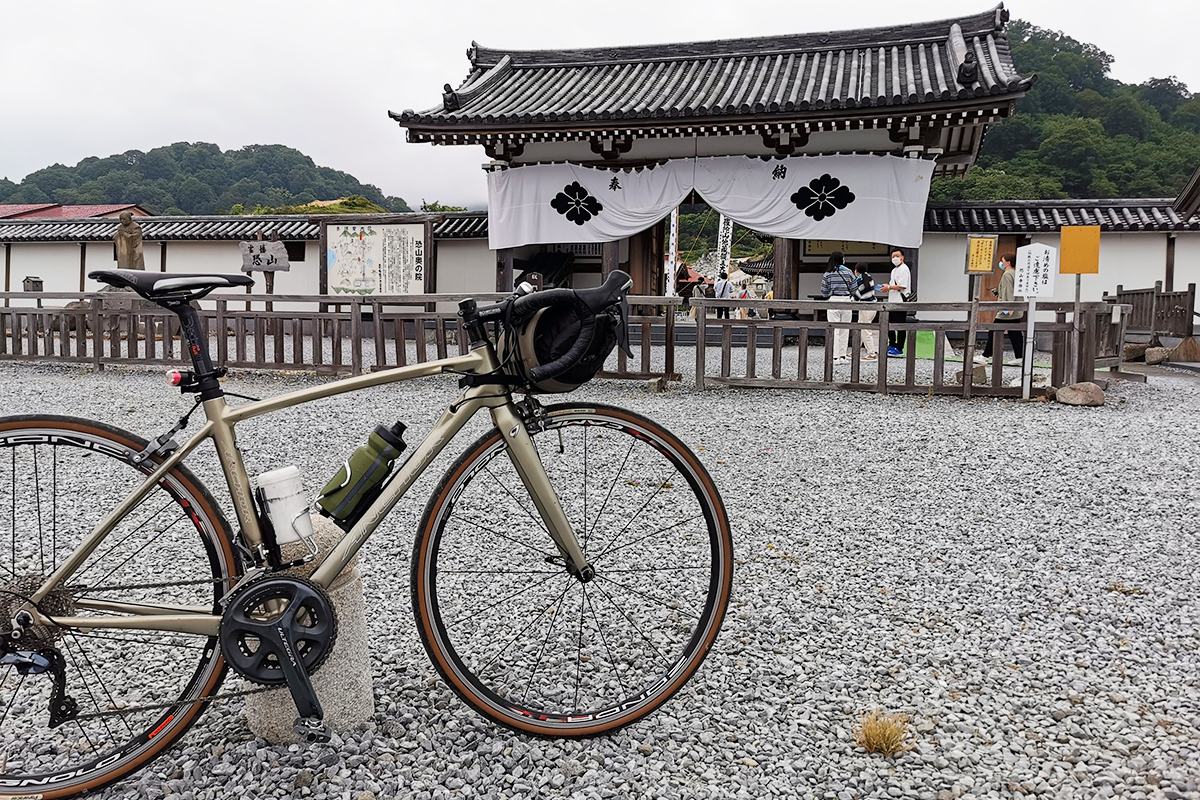
Cycling the historic Tōkaidō is not just about riding from point A to point B. It is a journey through time, culture, and landscapes that have shaped Japan for centuries. The Tōkaidō was the most important of Japan’s Five Great Roads during the Edo period, connecting Edo (modern-day Tokyo) with Kyoto. Merchants, samurai, pilgrims, and feudal lords once traveled this route on foot, leaving behind a rich cultural legacy that still survives today.
For foreign cyclists, the Tōkaidō offers something truly unique. Unlike famous routes such as Shimanami Kaido or Mt. Fuji loops, the Tōkaidō is deeply woven into everyday Japanese life. You ride through modern cities, quiet coastal roads, historic post towns, and mountain passes, experiencing both old and new Japan in a single journey.
This article, Part 1 of a two-part guide, focuses on the concept, preparation, and the eastern half of the route, roughly from Tokyo to Shizuoka. Even if you only read this part, you should be able to decide whether cycling the Tōkaidō is the right adventure for you.
What Is the Tōkaidō? (For First-Time Visitors)
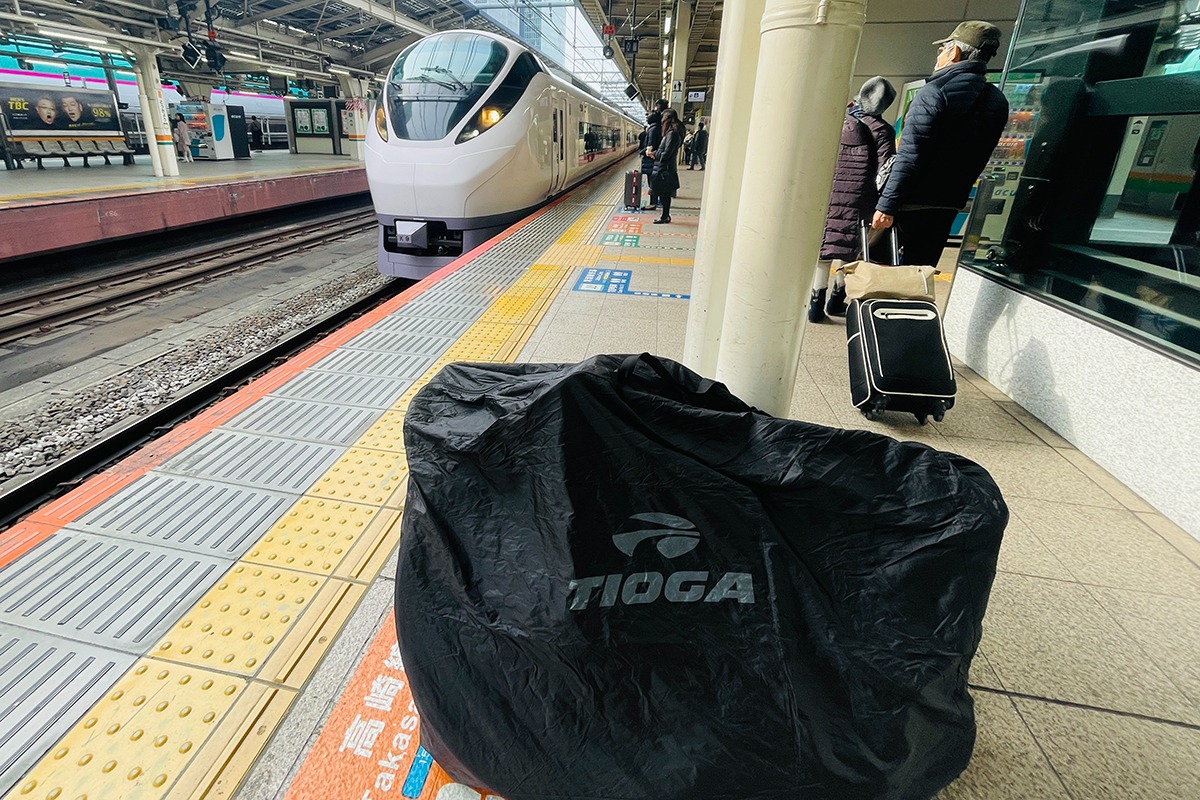
The Tōkaidō stretches approximately 500 kilometers between Tokyo and Kyoto (or Osaka, depending on your endpoint). Historically, it passed through 53 official post towns where travelers could rest, eat, and stay overnight.
For modern cyclists, this does not mean riding on a single dedicated cycling path. Instead, cycling the Tōkaidō involves:
- Combining quiet back roads, riverside paths, and coastal roads
- Passing through busy urban areas near Tokyo and Yokohama
- Occasionally riding on national roads with traffic
- Navigating historic towns that still retain Edo-period layouts
This mix is exactly what makes the route special—but it also requires preparation and flexibility.
Is the Tōkaidō Suitable for Foreign Cyclists?
Short answer: Yes, but not for beginners.
This route is best suited for:
- Intermediate to advanced cyclists
- Riders comfortable with traffic and navigation
- Travelers who enjoy cultural exploration as much as physical challenge
Key points to consider:
- Daily distances often range from 80 to 120 km
- Some sections include long urban stretches
- Mountain passes such as Hakone require climbing ability
- Navigation skills are essential; signage is limited
If you are looking for a fully signposted cycling route with minimal traffic, the Tōkaidō may feel demanding. However, if you enjoy immersive travel and discovery, it is one of Japan’s most rewarding long-distance rides.
Planning Your Ride: Days, Gear, and Season
Most cyclists complete the Tōkaidō in 5 to 7 days, depending on pace and sightseeing time.
Recommended bike setup
- Road bike with endurance geometry
- Gravel bike with slick or semi-slick tires
- Minimum tire width: 28mm (32mm recommended for comfort)
Essential gear
- Front and rear lights (daytime running lights strongly recommended)
- Cycle computer or smartphone with offline maps
- Spare tubes and basic repair tools
- Cash (some rural shops do not accept cards)
Best seasons to ride
- Spring (March–May): Mild temperatures, cherry blossoms
- Autumn (October–November): Clear skies, fall colors
Summer can be extremely hot and humid, while winter brings snow risks in mountain areas like Hakone.
Route Overview: Tokyo to Shizuoka
Tokyo to Yokohama: Urban Reality
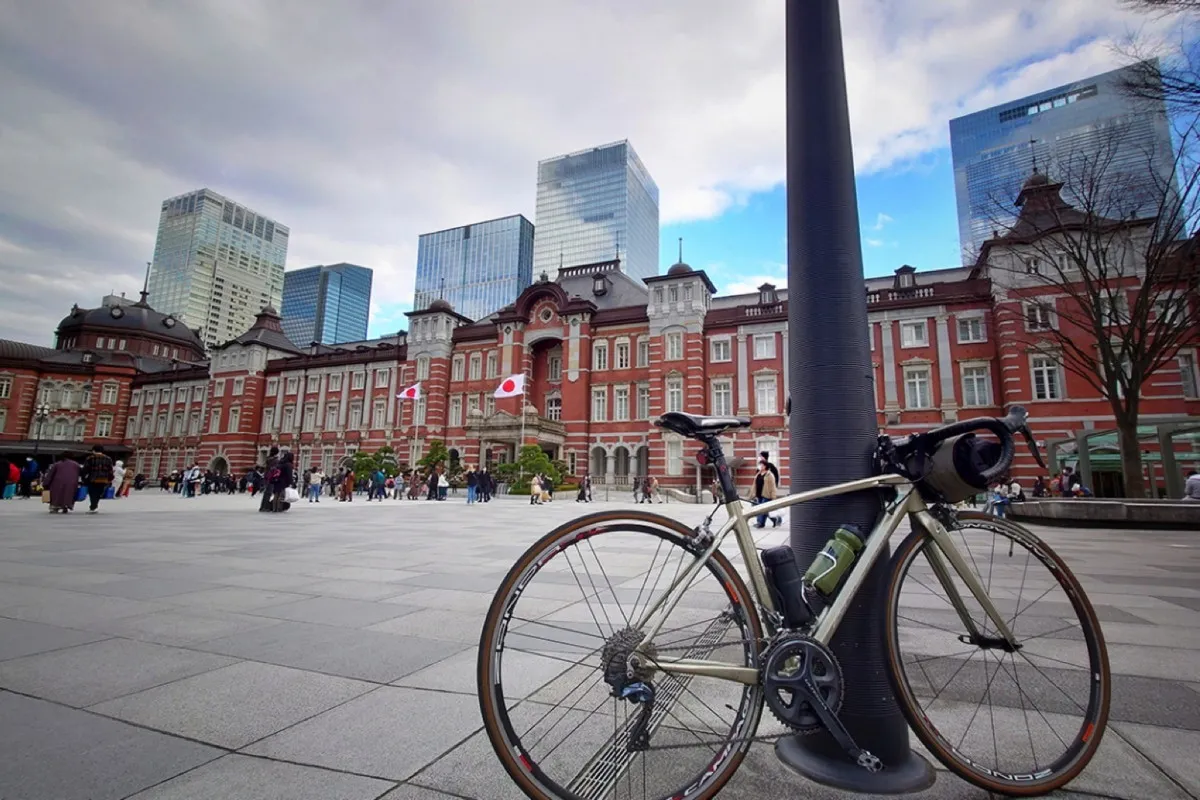
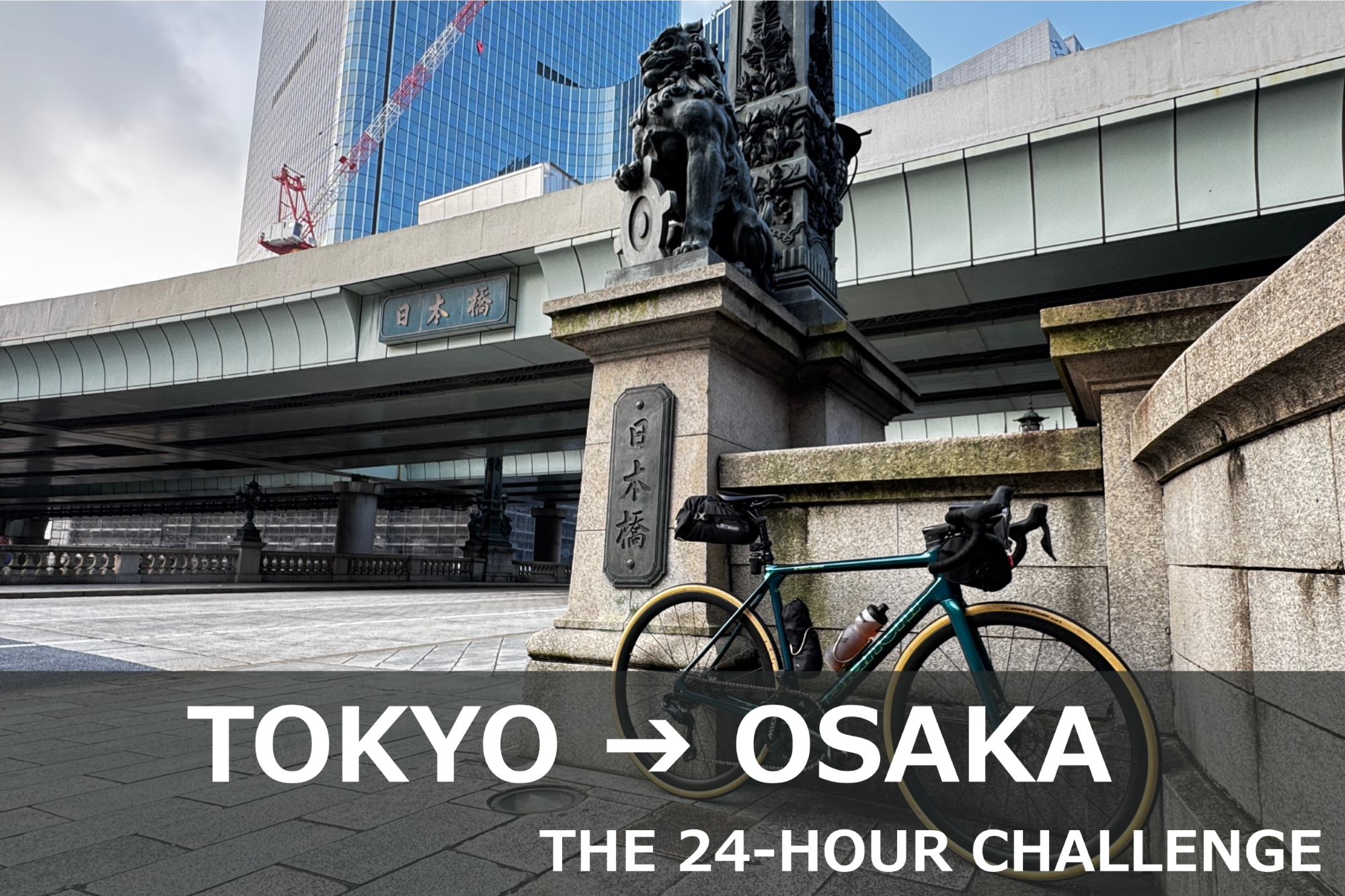
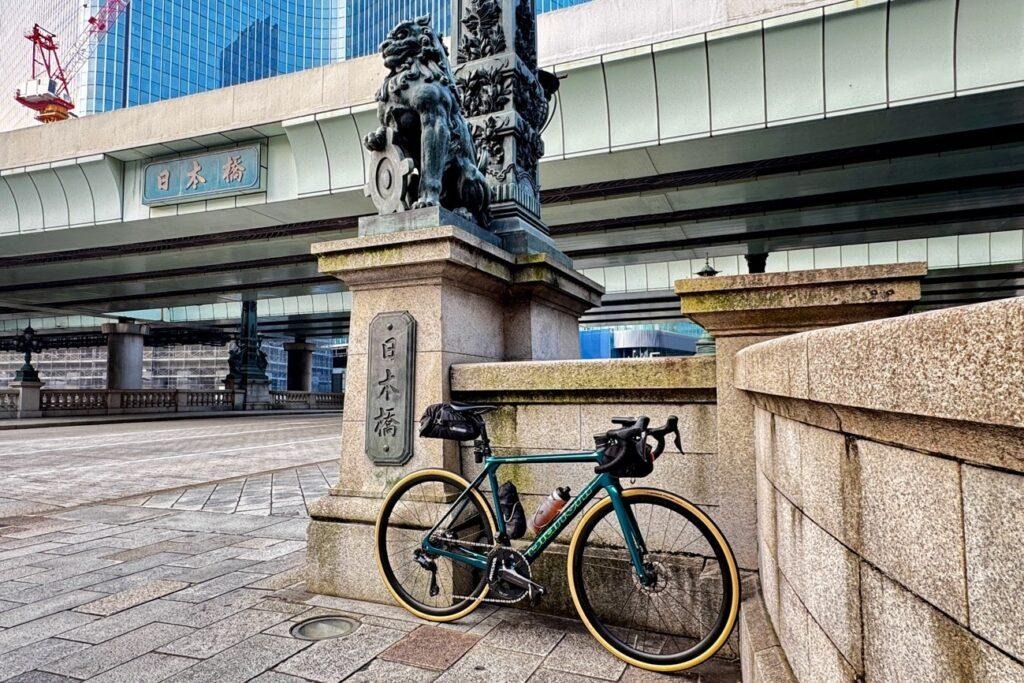
The journey traditionally begins at Nihonbashi, the historical starting point of all five Edo-period highways.
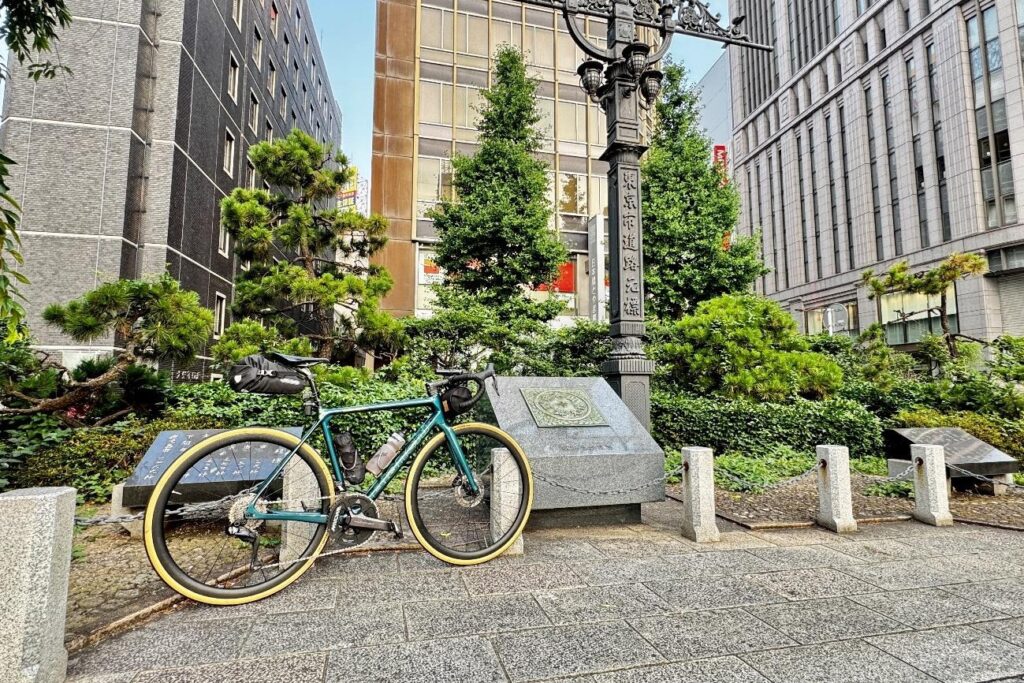
Leaving central Tokyo, you will experience:
- Busy intersections
- Frequent traffic signals
- High cyclist awareness compared to many countries
Yokohama to Odawara: Coastal Transition
As you move south, the scenery gradually opens up:
- Views of Sagami Bay
- Longer stretches with fewer traffic lights
- Traditional seaside towns
This is where the ride becomes more relaxed and enjoyable.
Hakone Pass: The Historic Challenge
Hakone is the symbolic heart of the eastern Tōkaidō.
- Steep climbs
- Dense forest roads
- Historic stone pavements nearby
Cyclists should expect sustained climbing and cooler temperatures.
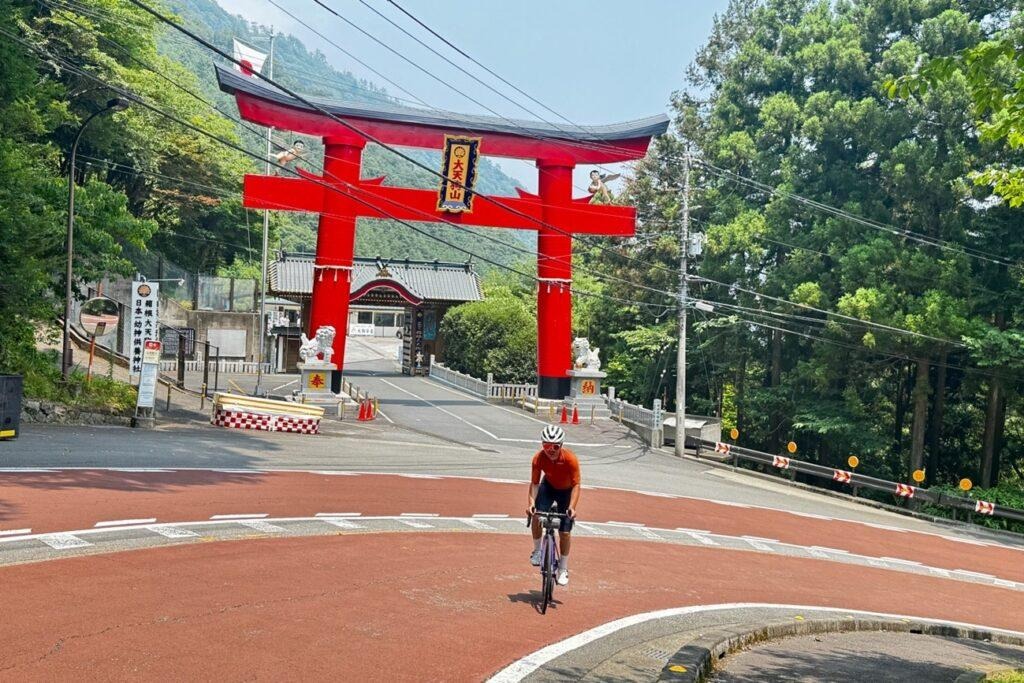

This section rewards you with a strong sense of accomplishment and dramatic scenery.
Odawara to Shizuoka: Riding with Mount Fuji
After Hakone, the route flattens and opens again.
Highlights include:
- Coastal roads with ocean views
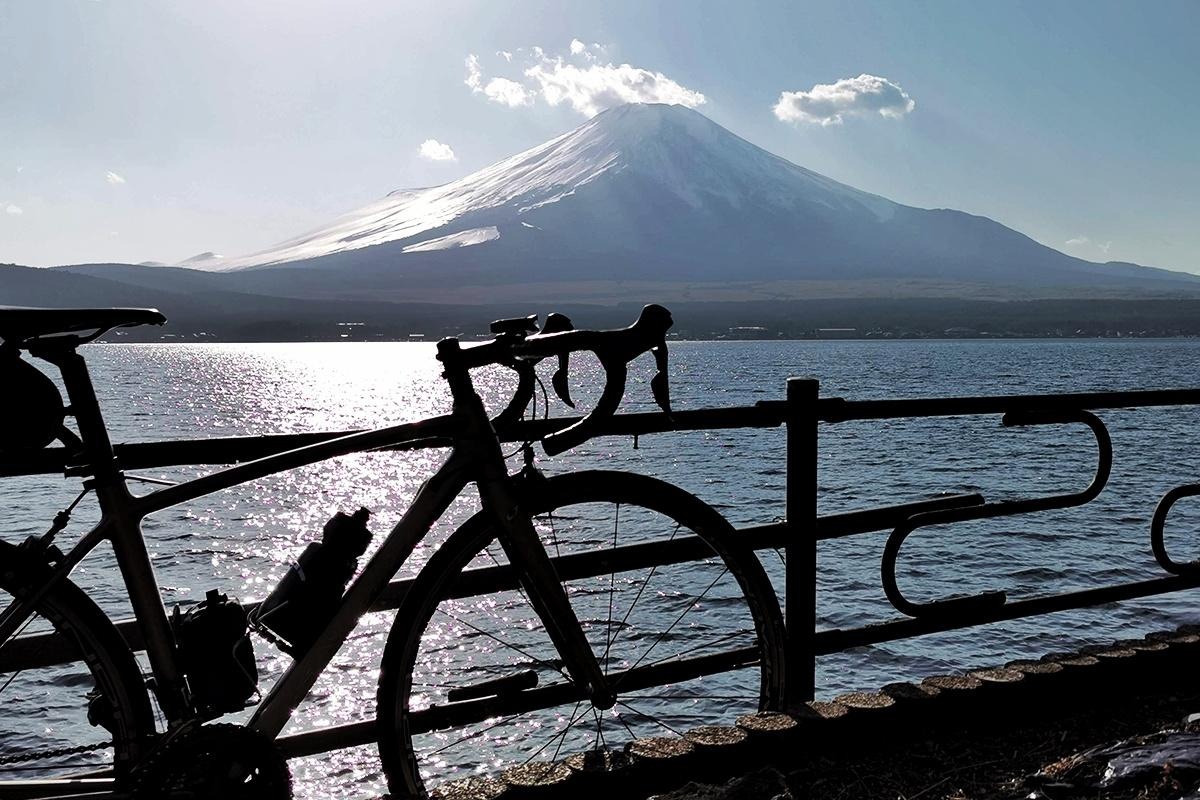
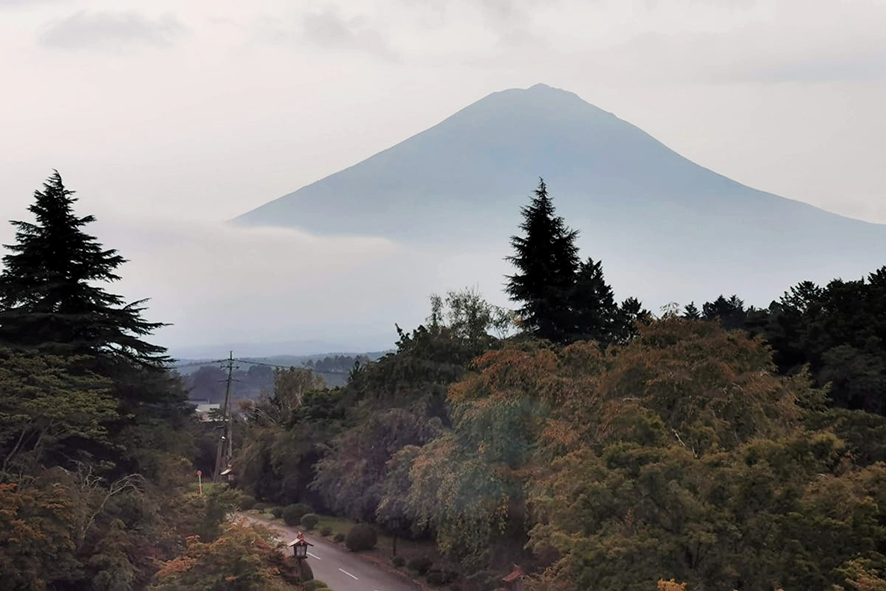
- Clear days revealing Mount Fuji
- Traditional towns like Mishima and Numazu
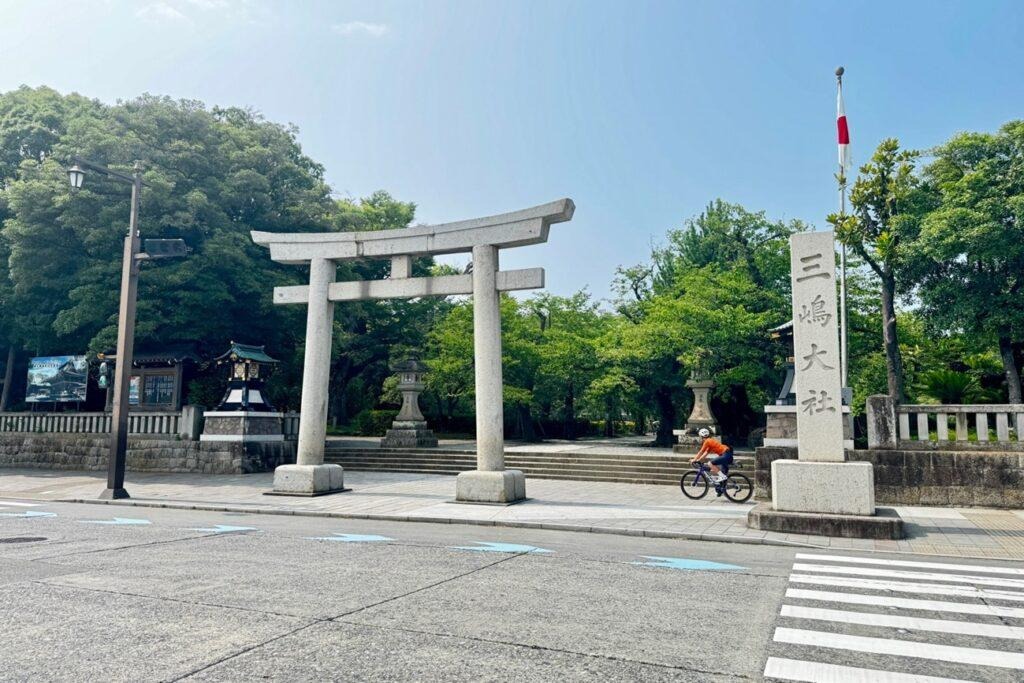
Shizuoka makes an excellent midpoint for the entire journey and a natural break between Part 1 and Part 2.
Practical Tips (Before You Go Further)
- Start early to avoid city traffic
- Plan accommodation in advance, especially on weekends
- Use GPX files rather than relying on road signs
- Respect local traffic laws; cyclists are treated as vehicles in Japan
Summary of Part 1
Cycling the eastern half of the Tōkaidō introduces you to the concept, difficulty, and cultural depth of this historic route. By the time you reach Shizuoka, you will already have experienced urban Japan, coastal beauty, and mountain challenges.
In Part 2, we continue westward from Shizuoka to Osaka, focusing more heavily on practical riding conditions, cultural highlights, and long-distance cycling strategies.
- HOME
- Japan Cycling Routes / Areas
- Cycling the Historic Tōkaidō: From Tokyo to Shizuoka A Cultural and Practical Introduction for Foreign Cyclists
- HOME
- Popular Cycling Routes in Japan
- Cycling the Historic Tōkaidō: From Tokyo to Shizuoka A Cultural and Practical Introduction for Foreign Cyclists
- HOME
- Cycling Routes
- Cycling the Historic Tōkaidō: From Tokyo to Shizuoka A Cultural and Practical Introduction for Foreign Cyclists