Cycling Through the Tokyo City An Urban Ride Connecting History, Water, and Modern Life

Tokyo is often described as overwhelming — a city of endless movement, towering buildings, and neon lights. But on a bicycle, Tokyo reveals a quieter, more intimate side. The rhythm of pedaling slows the city down just enough for you to notice the details: the sound of tires rolling over stone-paved streets, the sudden scent of coffee drifting from a café, the way history and modern life overlap at every intersection.
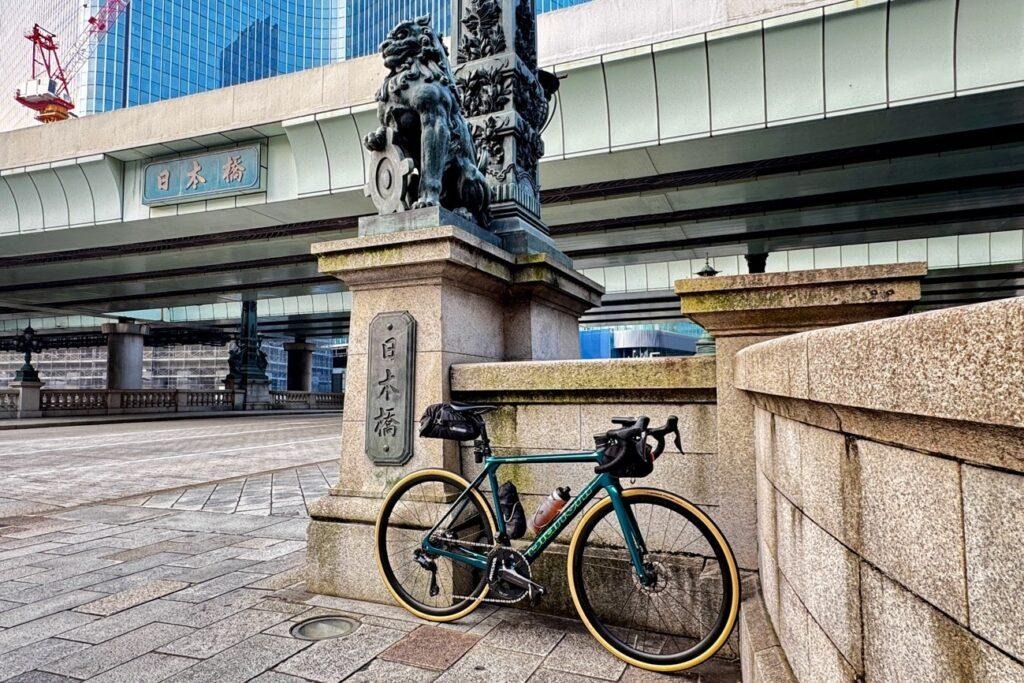
This cycling route through central Tokyo offers exactly that experience. Beginning at Tokyo Station, it weaves through Ginza, Tsukiji, Toyosu, and Minato Ward before returning via the Imperial Palace. It is not about speed or distance — it is about feeling the city breathe beneath your wheels.
- Route Overview
- From Grand Architecture to Everyday Life
- Ginza: Where Tradition and Luxury Coexist
- Tsukiji: The Taste of Old Tokyo
- Crossing Toward the Water
- Toyosu: Tokyo’s New Waterfront Identity
- Riding Toward Icons of Tokyo
- Where Faith, Power, and Nature Meet
- Palace Cycling: A Rare Urban Gift
- The Return to Tokyo Station
- Practical Tips for Foreign Cyclists
- Why This Ride Matters
Route Overview
- Distance: Approx. 15.7 km
- Elevation Gain: Approx. 189 m
- Difficulty: Easy to moderate (urban riding)
- Start / Finish: Tokyo Station
- Recommended Bikes: City bike, road bike, or shared bicycle
This is an ideal ride for travelers who want to understand Tokyo beyond landmarks.
From Grand Architecture to Everyday Life
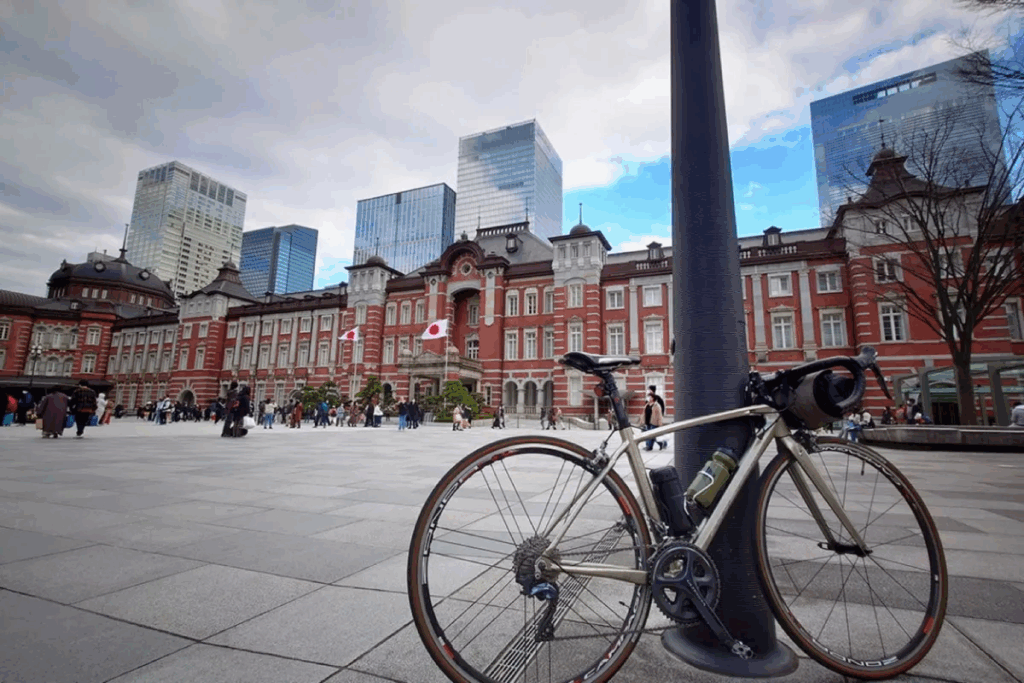
The ride begins at Tokyo Station’s Marunouchi side, where European-style brick architecture stands as a reminder of Japan’s early modernization. As you roll away from the station, office workers hurry past, delivery trucks come and go, and cafés quietly open their doors — this is Tokyo waking up.
Heading south, the city gradually changes texture. Streets narrow, traffic becomes denser, and luxury storefronts begin to appear.
Ginza: Where Tradition and Luxury Coexist
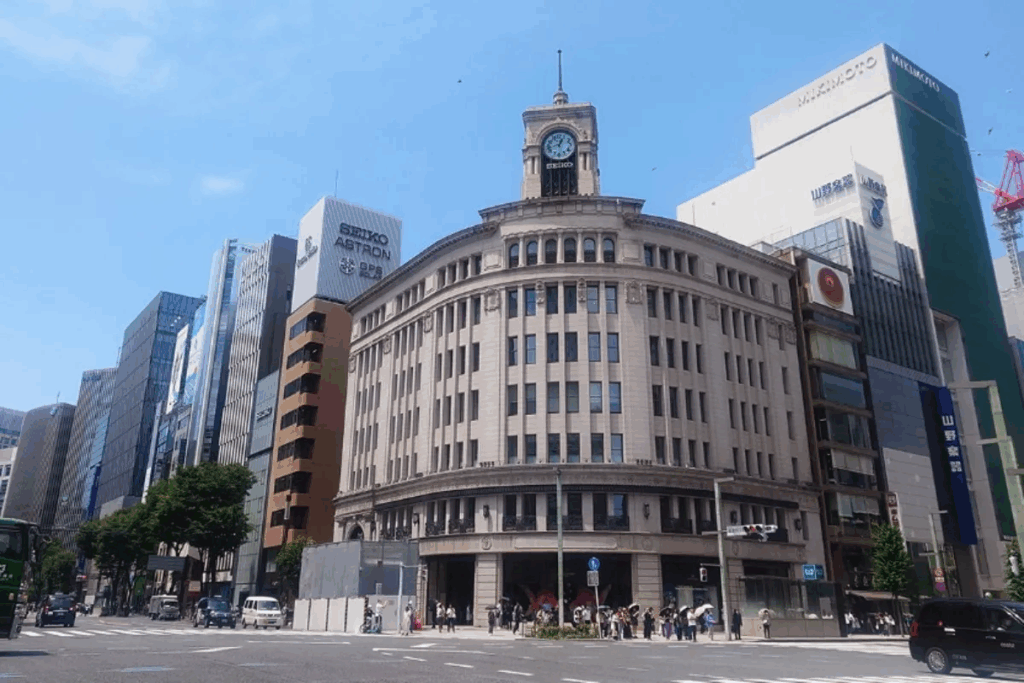
Cycling through Ginza is an exercise in awareness. Buses, taxis, and pedestrians share the same space, demanding calm and confidence from the rider. Yet this intensity is part of the charm. Beneath the polished storefronts lies a deep cultural history — Ginza has always been a place where trends are born and refined.
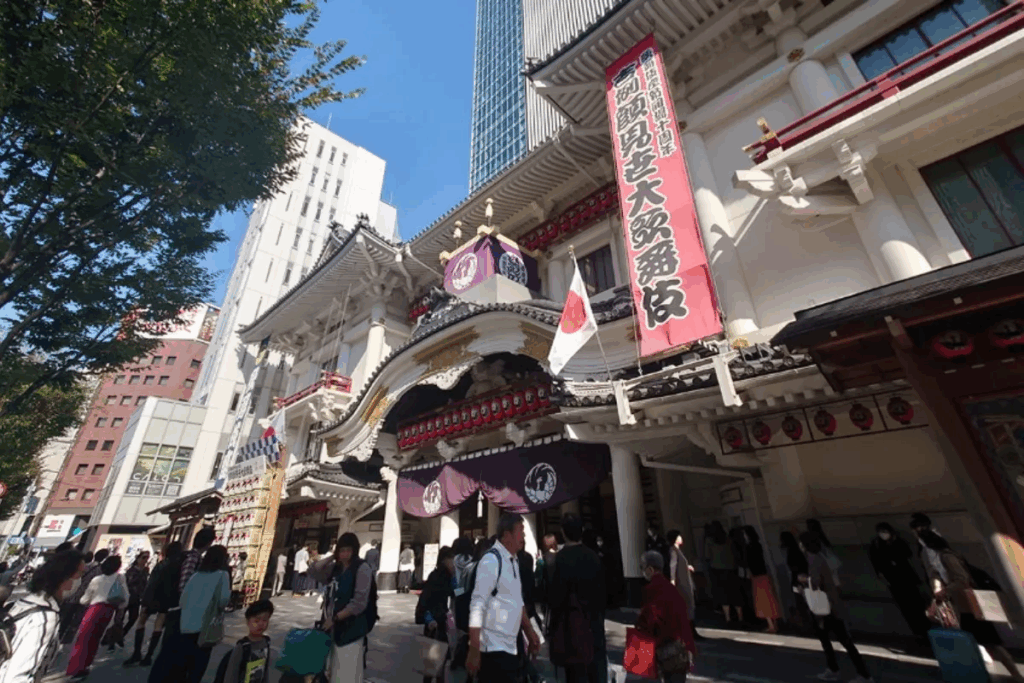
Passing Kabukiza Theatre, you are reminded that even in the heart of modern Tokyo, centuries-old performing arts continue to thrive. The contrast is striking — traditional wooden aesthetics surrounded by glass and steel.
Tsukiji: The Taste of Old Tokyo
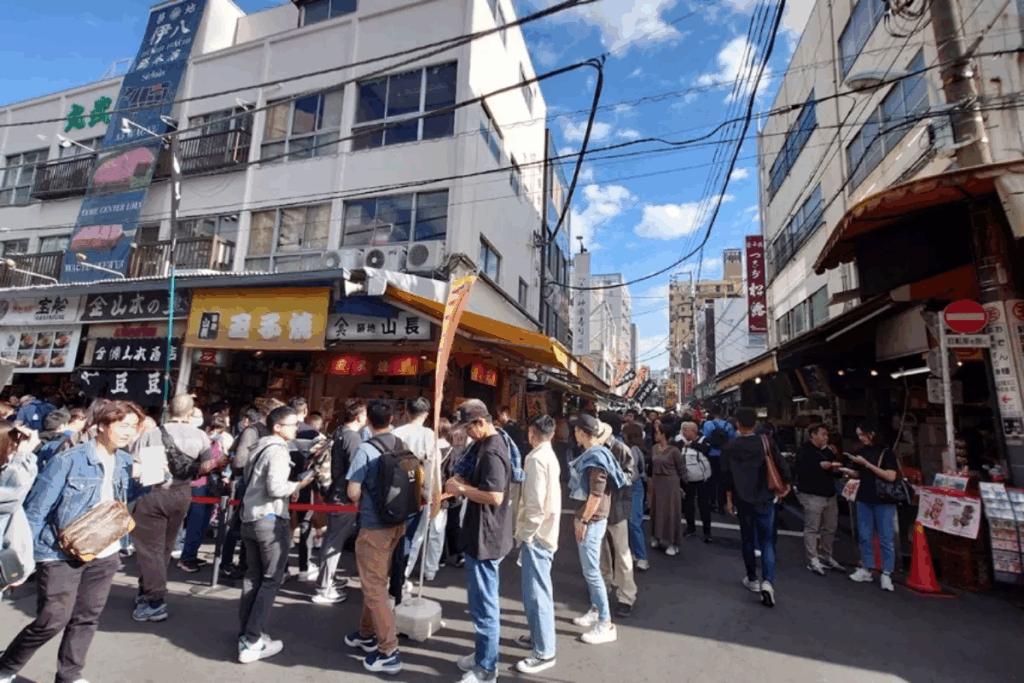
As you approach Tsukiji, the atmosphere changes completely. The streets feel tighter, livelier, and filled with energy. Vendors call out to customers, steam rises from street food stalls, and bicycles are gently pushed rather than ridden.
This is a place to slow down, park your bike, and wander. Even without eating, Tsukiji offers a sensory experience — the smell of grilled seafood, the clatter of knives, the rhythm of daily commerce that has supported Tokyo for generations.
Crossing Toward the Water
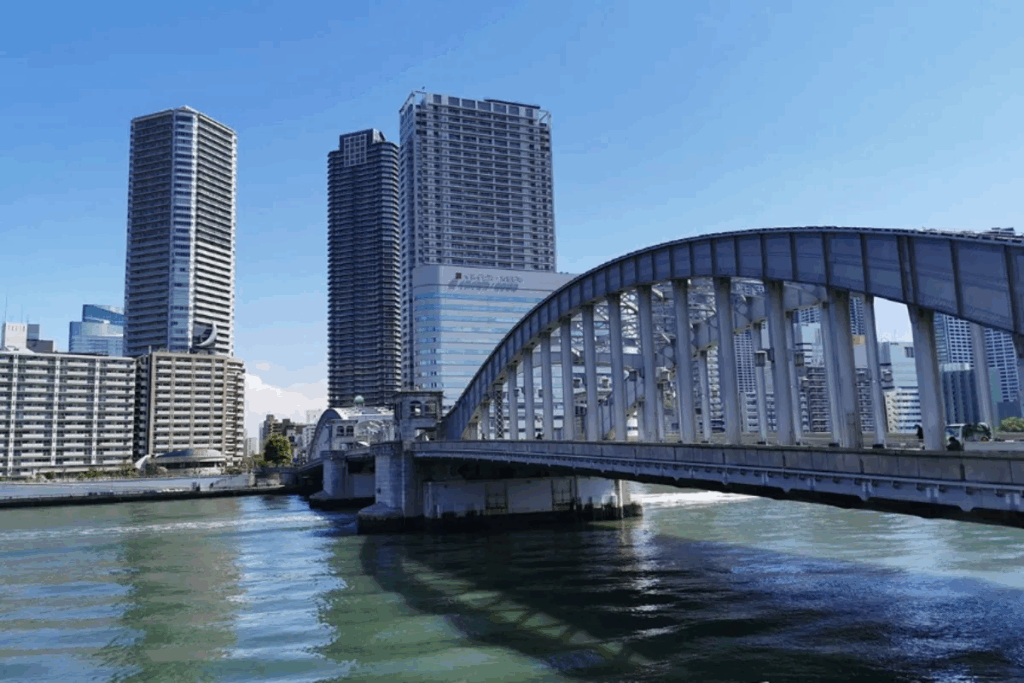
Leaving Tsukiji, you cross Kachidoki Bridge, a symbolic transition point. On one side lies the old city; on the other, a newer Tokyo shaped by land reclamation and modern planning.
Toyosu: Tokyo’s New Waterfront Identity
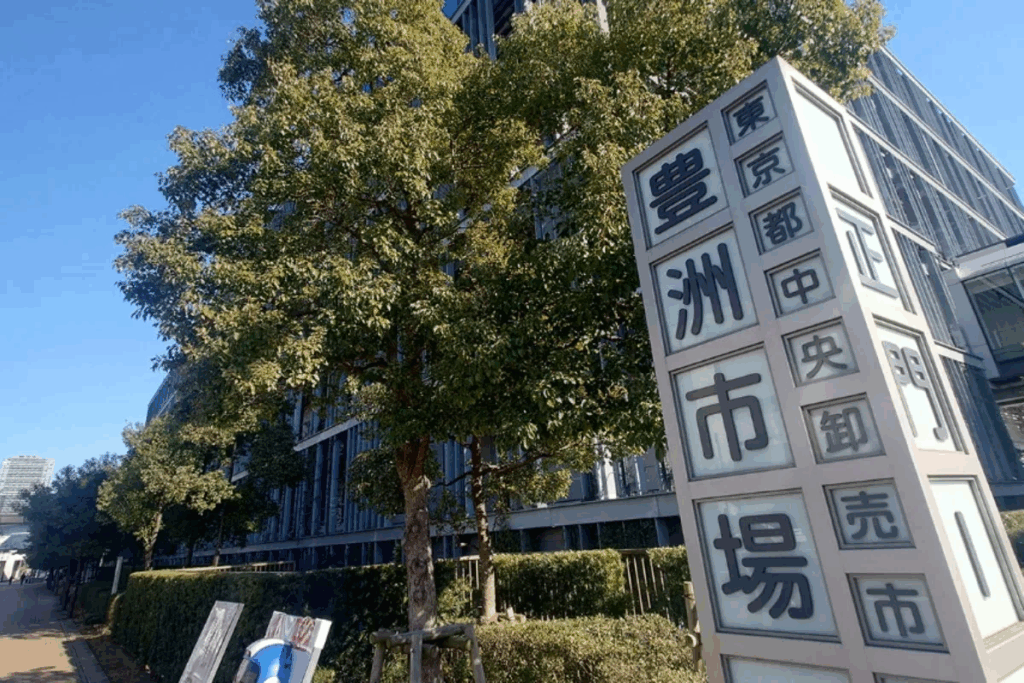
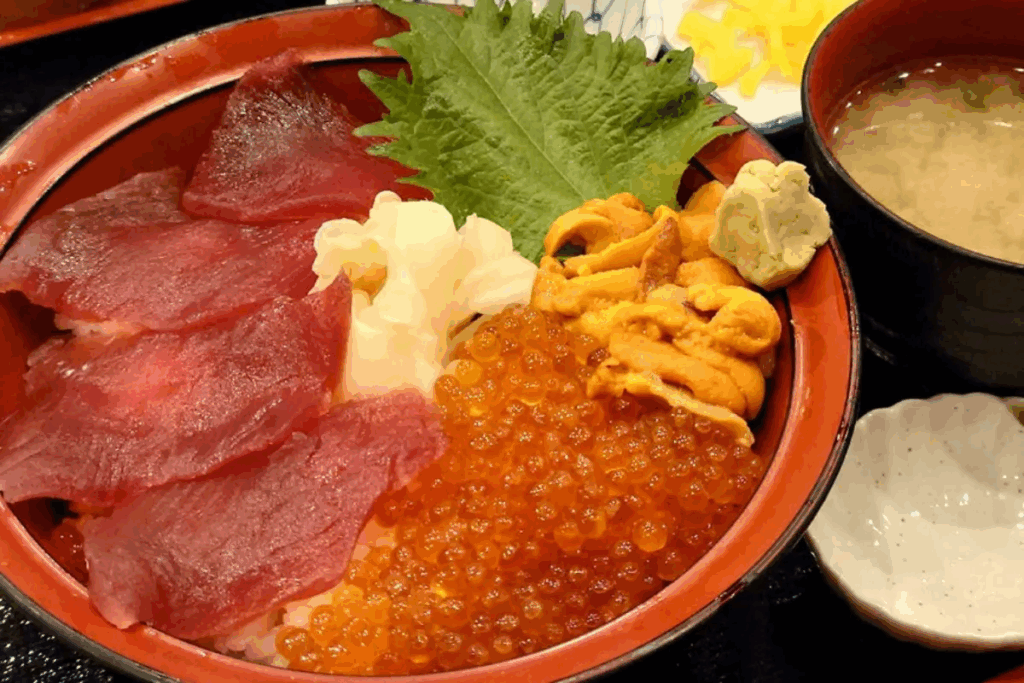
Toyosu Market represents Tokyo’s evolution. Clean lines, open spaces, and modern infrastructure replace the dense chaos of old Tsukiji. Some riders may miss the nostalgia, but Toyosu offers something else: clarity, views, and space to breathe.
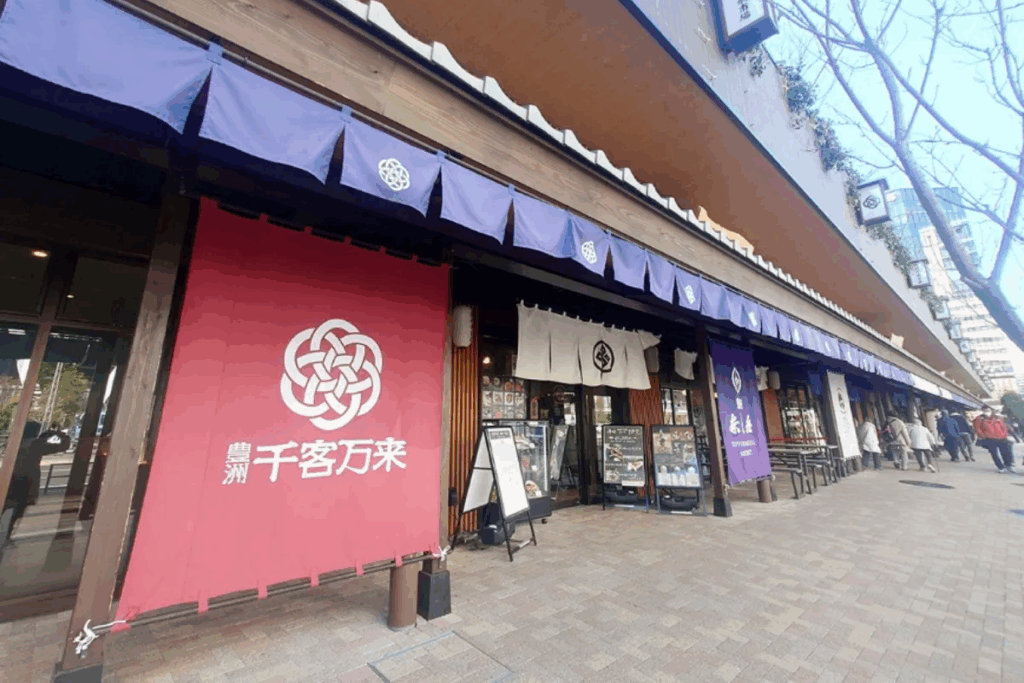
At Toyosu Senkyakubanrai, you can rest, enjoy food, or even soak your feet in a free foot bath — a uniquely Japanese reward after a city ride.
Riding Toward Icons of Tokyo
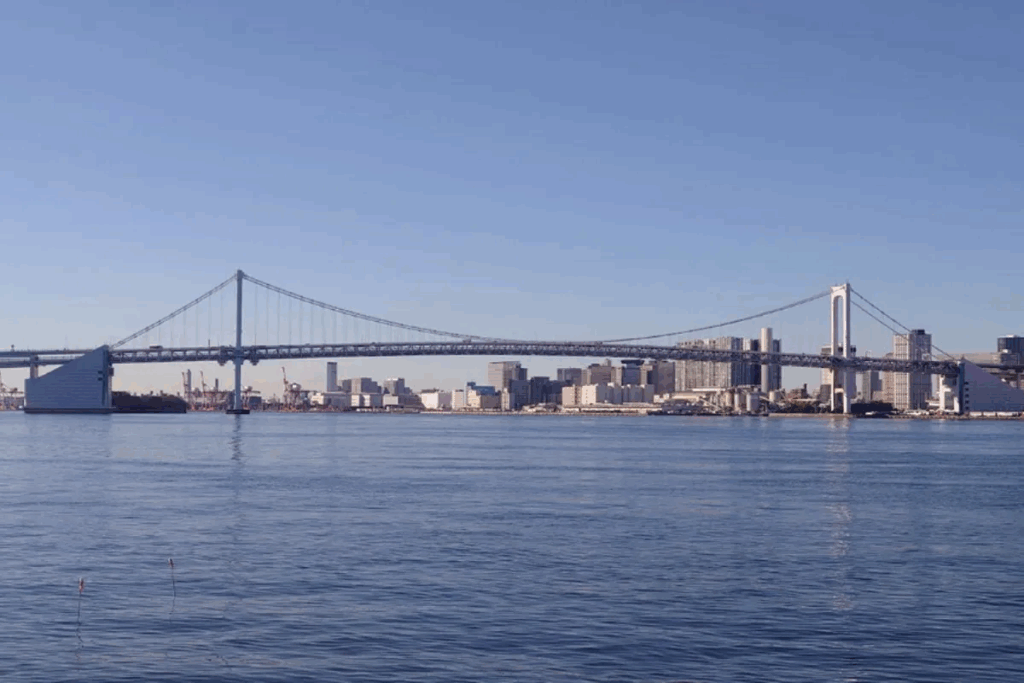
Crossing Toyosu Ohashi, the skyline unfolds. In the distance, Tokyo Tower rises — not suddenly, but gradually — a quiet guide drawing you forward.
The roads here were shaped by recent redevelopment and Olympic legacy. Some bridges require cyclists to use sidewalks or ramps, reminding riders to adapt — a small but meaningful lesson in Tokyo cycling culture.
Where Faith, Power, and Nature Meet
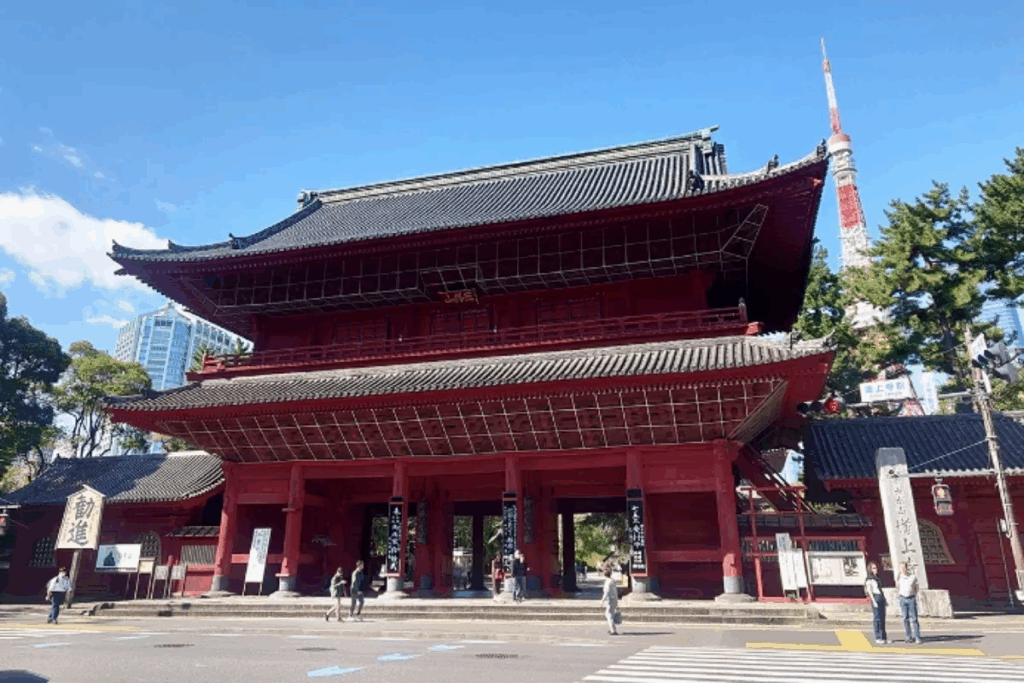
At Zojoji Temple, the noise of traffic fades. The sound of gravel underfoot and the sight of incense smoke bring calm. Tokyo Tower behind the temple creates one of the city’s most iconic contrasts — spiritual stillness against modern ambition.
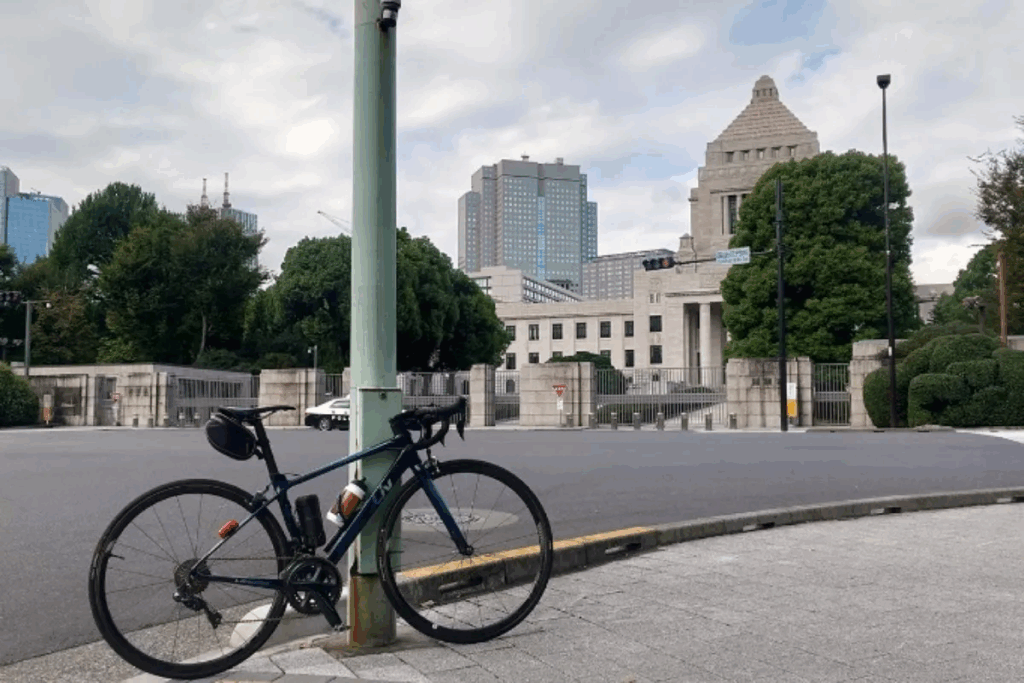
Passing the National Diet Building, the route briefly touches the political heart of Japan, before gently guiding you back toward greenery.
Palace Cycling: A Rare Urban Gift
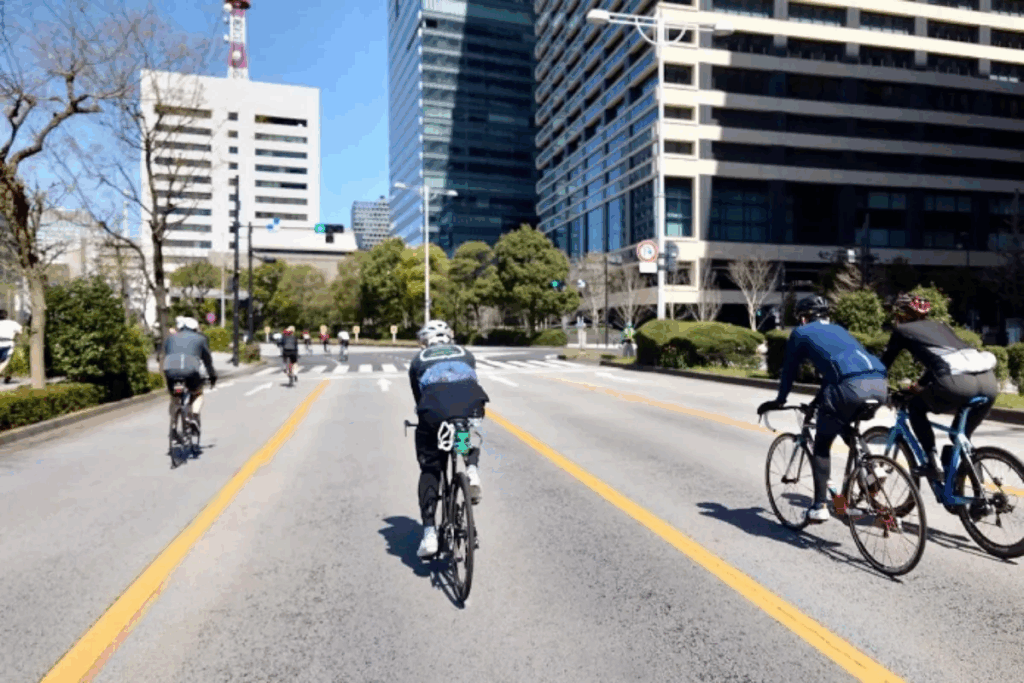
On Sundays and holidays, the roads around the Imperial Palace open exclusively to cyclists. This Palace Cycling zone is rare in any global capital — wide, smooth roads where cars disappear and cyclists of all levels ride freely.
The sensation is liberating. You are cycling through the very center of Tokyo, yet surrounded by trees, sky, and silence.
The Return to Tokyo Station
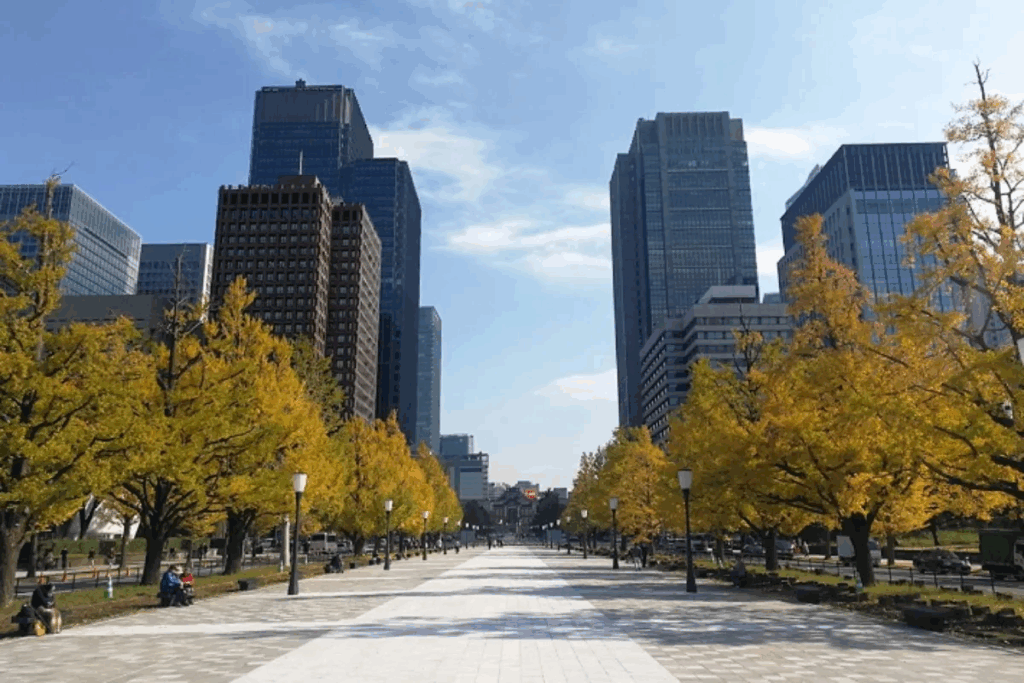
The final approach along Gyoko Street feels ceremonial. Once reserved for imperial processions, the wide, tree-lined avenue offers a fitting conclusion to the journey — calm, dignified, and reflective.
You return to Tokyo Station not as a tourist who merely visited landmarks, but as a rider who experienced the city from the inside.
Practical Tips for Foreign Cyclists
- Urban traffic requires confidence and patience
- Walking your bike is expected in crowded areas
- Shared bicycles are widely available and suitable for this route
- The goal is exploration, not speed
Why This Ride Matters
This route is not about conquering Tokyo — it is about understanding it. By bike, the city feels human. Distances make sense. Neighborhoods connect. History flows naturally into modern life.
For travelers seeking a deeper connection with Tokyo, this ride offers something rare: a moment where the city slows down and invites you in.
- HOME
- Japan Cycling Routes / Areas
- Cycling Through the Tokyo City An Urban Ride Connecting History, Water, and Modern Life
- HOME
- Cycling Routes
- Cycling Through the Tokyo City An Urban Ride Connecting History, Water, and Modern Life