Cycling Through Tokyo’s “Otherworld”: A Guide to Exploring Volcanic Izu Oshima

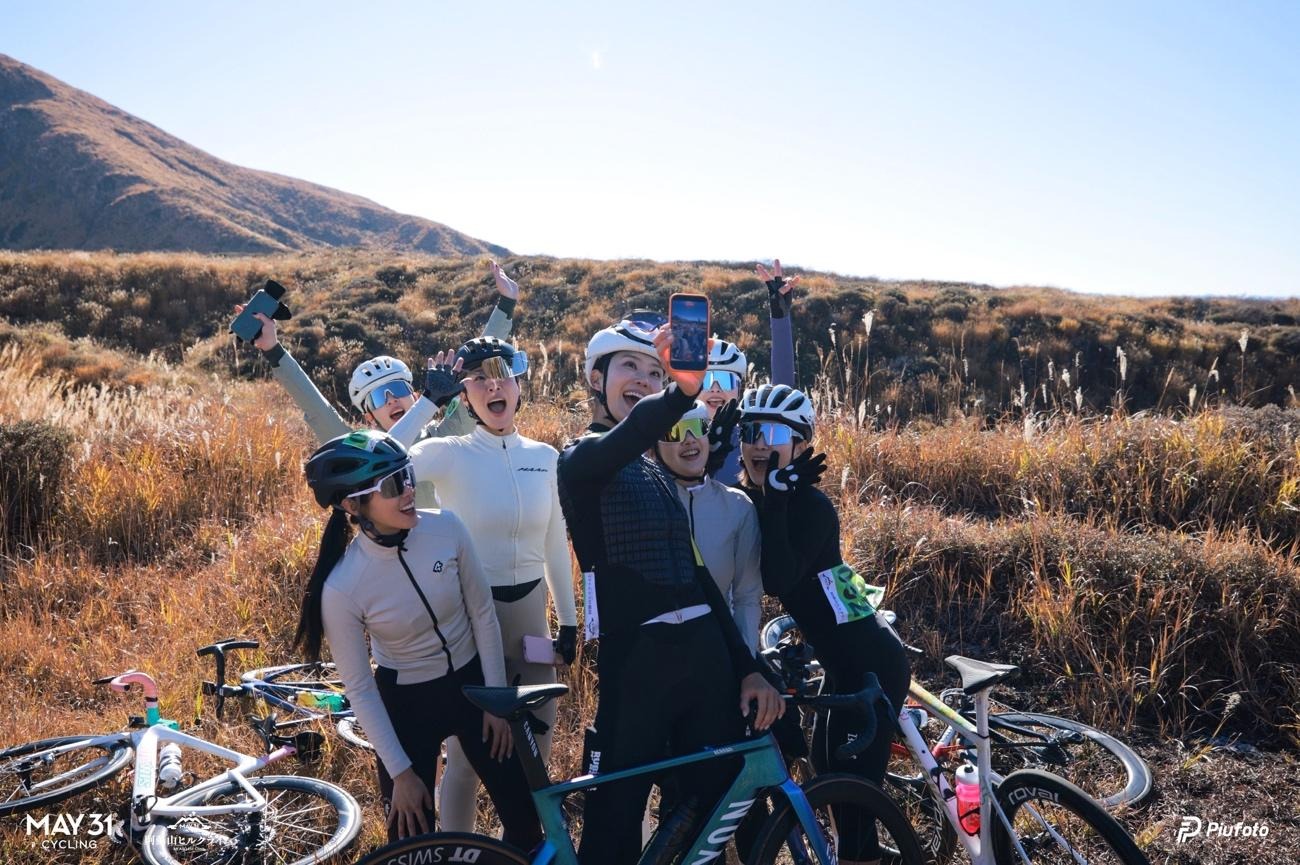
Just 1 hour and 45 minutes from central Tokyo by high-speed ferry lies a destination that feels worlds apart. While most visitors flock to Shibuya Crossing or the temples of Asakusa, adventurous cyclists are heading south across the Pacific to discover Izu Oshima—a dramatic volcanic island where raw nature replaces urban noise.Despite being officially part of Tokyo, Izu Oshima offers an entirely different experience. Designated as part of the Japan Geopark network, this island is shaped by volcanic activity and dominated by Mt. Mihara, an active volcano at its center. This guide introduces how to make the most of cycling across this extraordinary landscape.
- Izu Oshima: Tokyo’s Island Town Across the Sea
- Begin Your Journey with an Overnight Ferry Adventure
- Ride the Island Loop: Layers of Earth and Lunar Landscapes
- Climbing Mt. Mihara via the Gojinka Skyline
- From Cycling to Trekking: Into the Volcano
- Island Cuisine and Local Flavors
- Accommodation, Hot Springs, and Souvenirs
- A Unique Cycling Escape from Tokyo
Izu Oshima: Tokyo’s Island Town Across the Sea
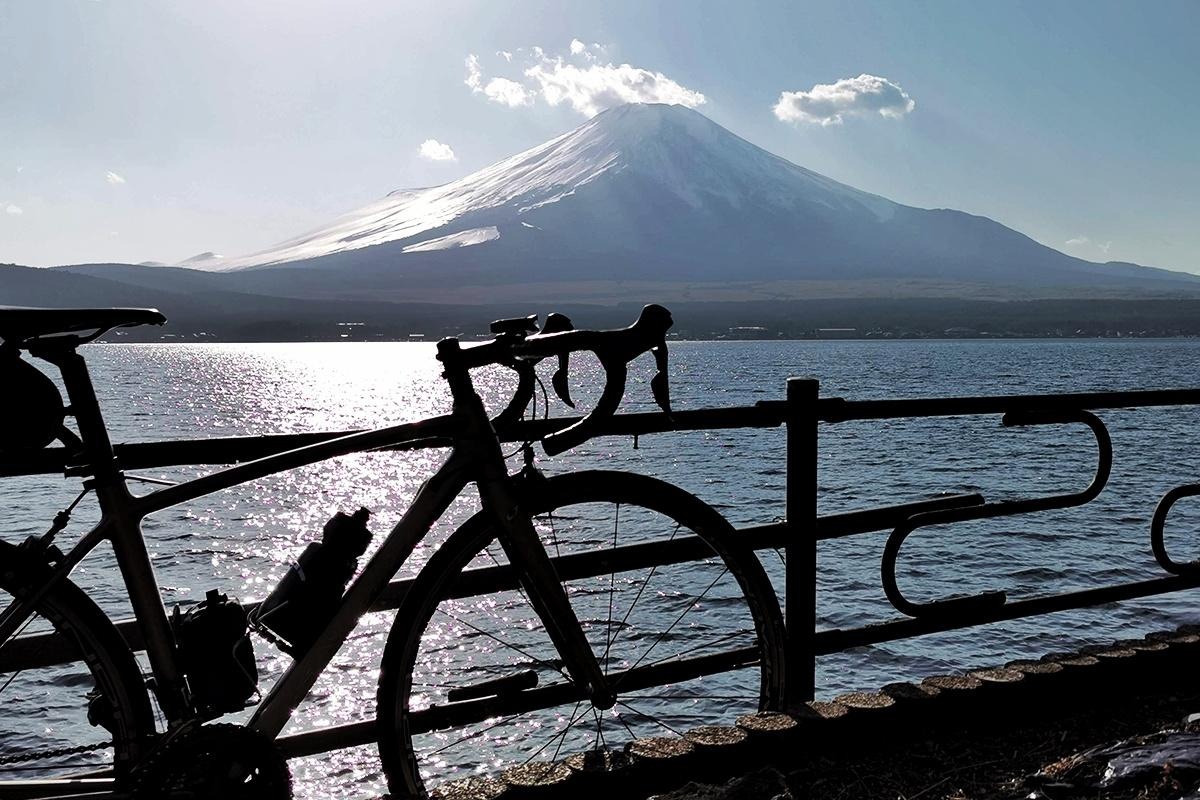
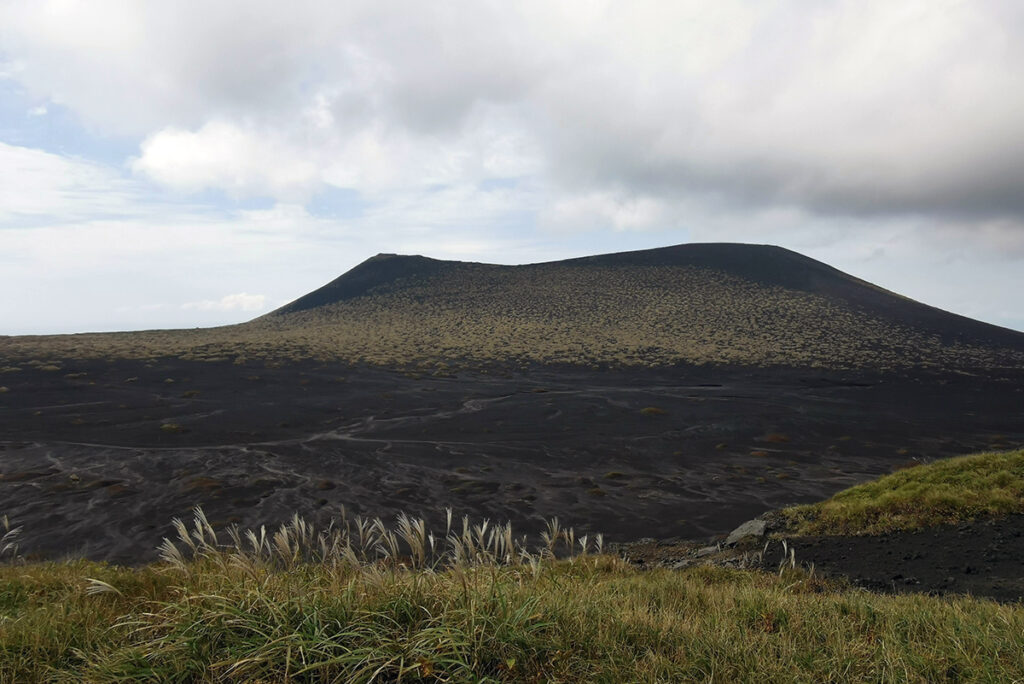
Located approximately 120 km south of central Tokyo, Izu Oshima is the largest of the Izu Islands and the closest to mainland Japan. Often referred to as the “gateway to island travel,” it sits in the Pacific Ocean with views toward Mt. Fuji and the Izu Peninsula on clear days.
Administratively, it is part of Tokyo—known as Oshima Town—yet its geography and atmosphere feel entirely removed from the metropolis. The island’s defining feature is Mt. Mihara, an active volcano that continues to shape the terrain and identity of the island.
Begin Your Journey with an Overnight Ferry Adventure
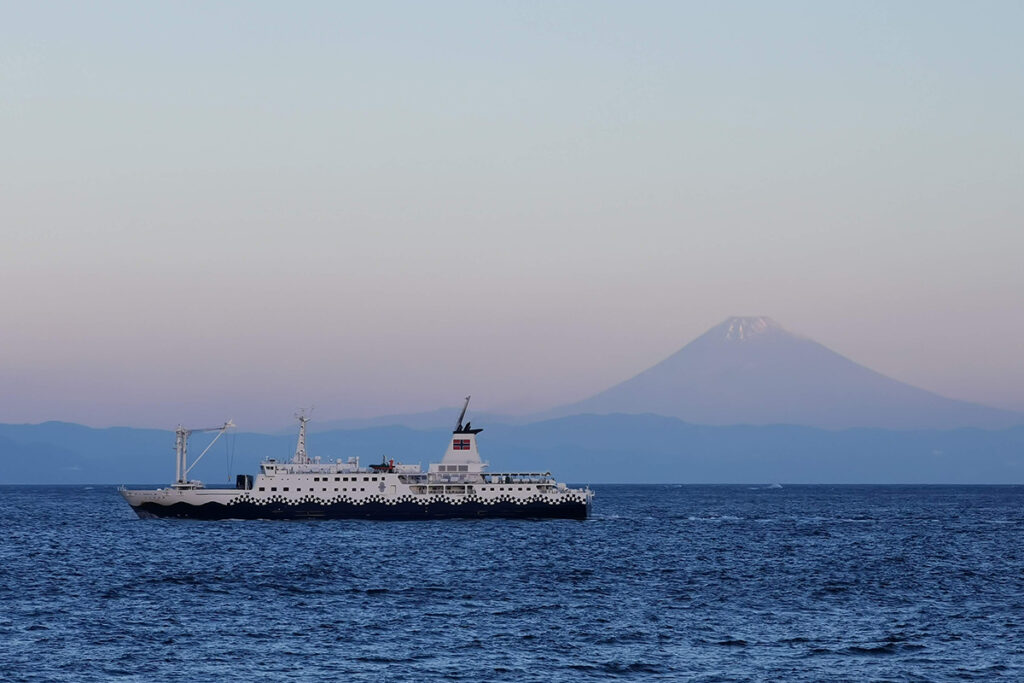
Getting to Izu Oshima is more than transportation—it’s part of the experience. From Takeshiba Passenger Terminal in Tokyo, high-speed jet ferries can reach the island in under two hours.However, cyclists should strongly consider the overnight ferry departing at 10:00 PM. Traveling aboard a large passenger ship adds a sense of adventure, allowing you to wake up just as the island comes into view at sunrise.
Ship information ⇒ Tokai Kisen
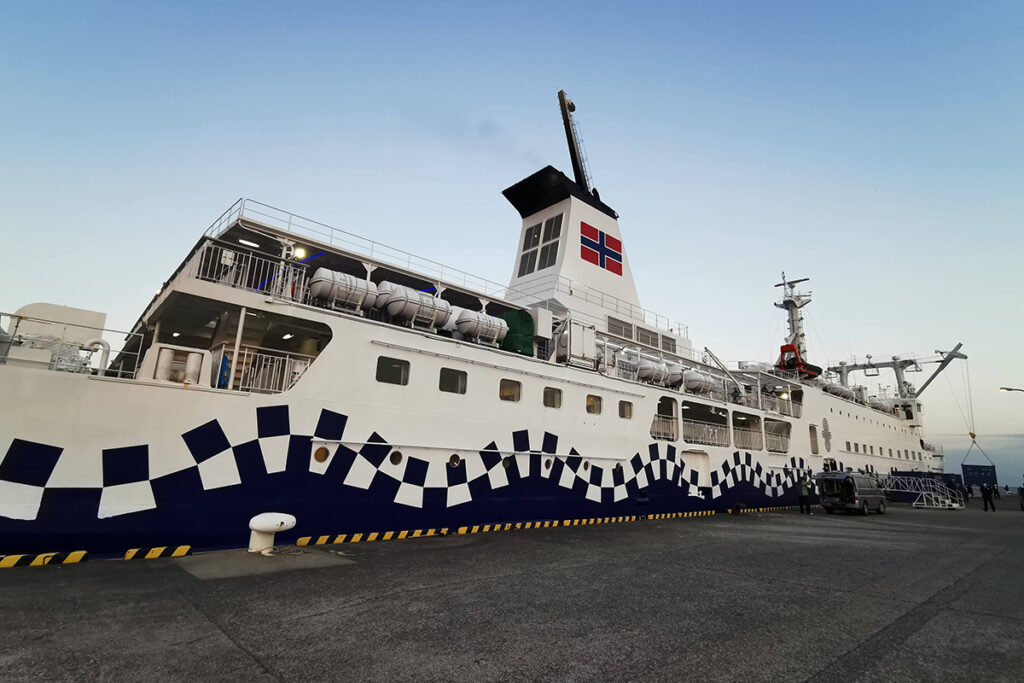
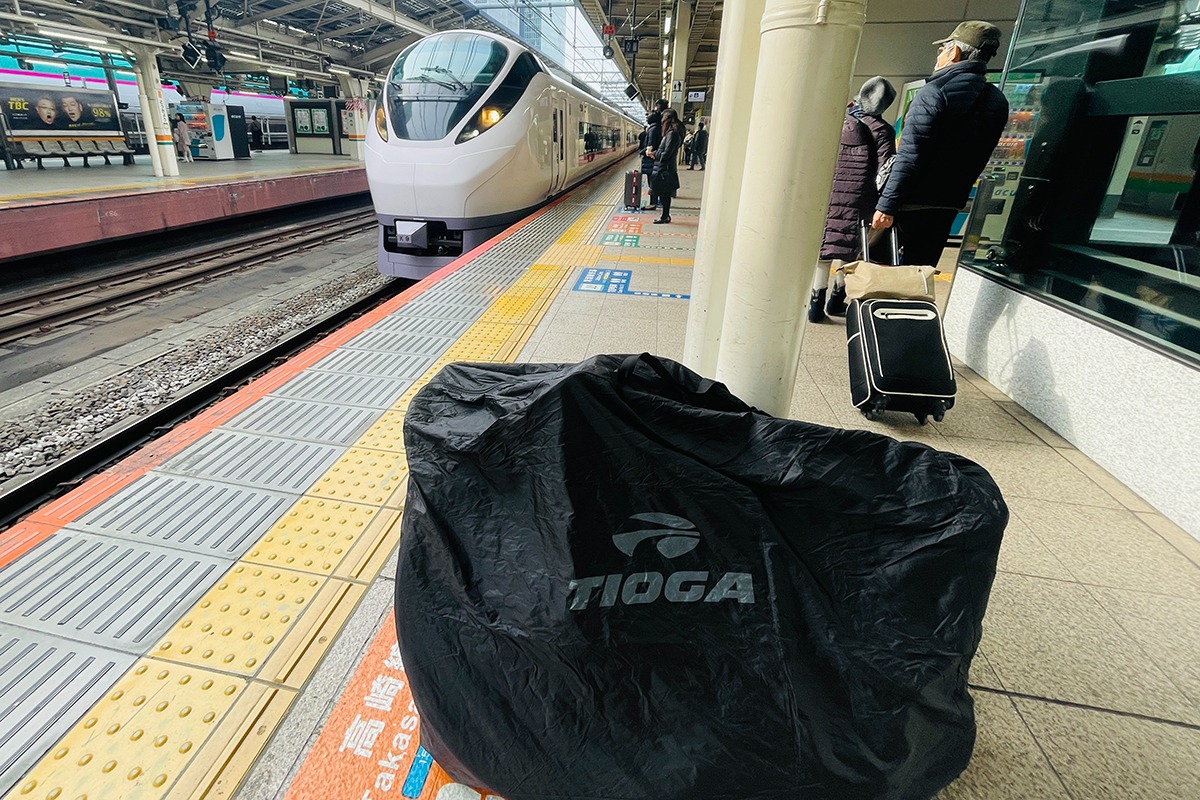
Bicycles cannot be brought onboard as-is. As is standard in Japan, you’ll need to use Rinko (輪行)—a method of packing your bike into a transport bag for public transit. Large ferries typically allow this free of charge, while jet ferries may require an additional fee.
What is “Rinko” ? ⇒“Rinko” – Exploring Japan with Your Bicycle and Public Transport
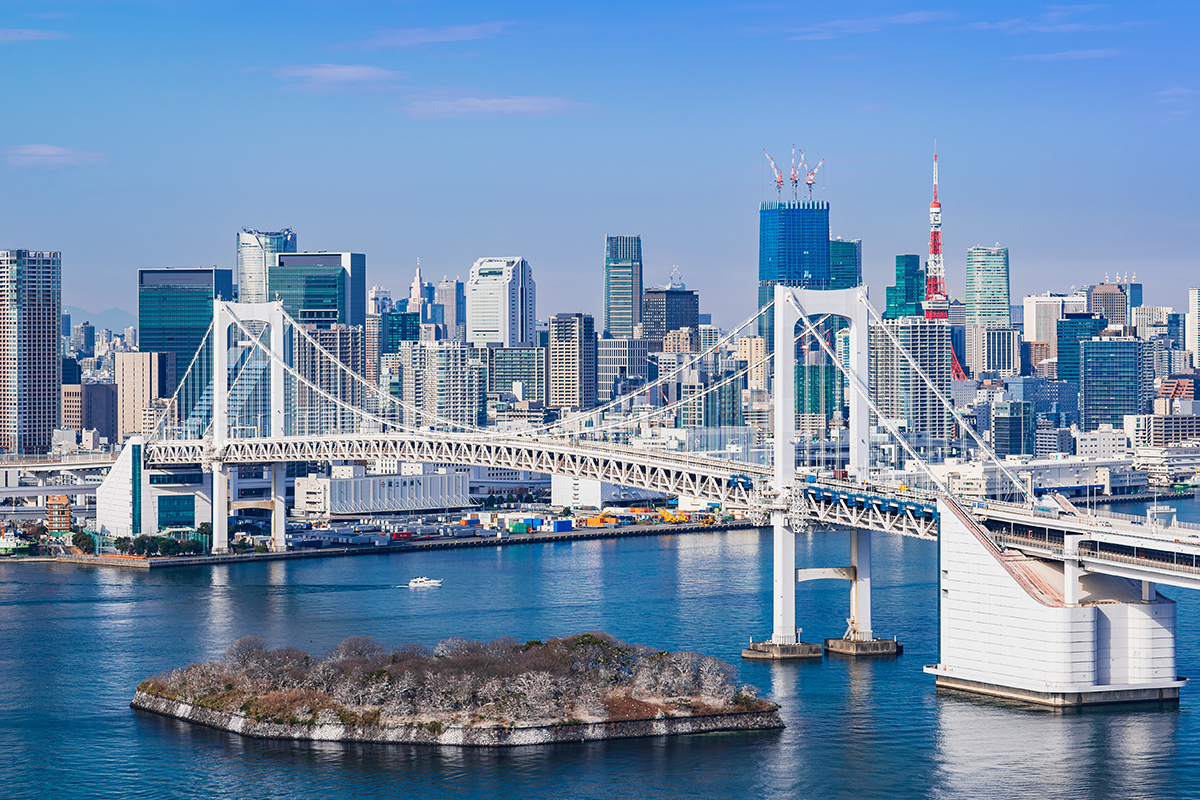
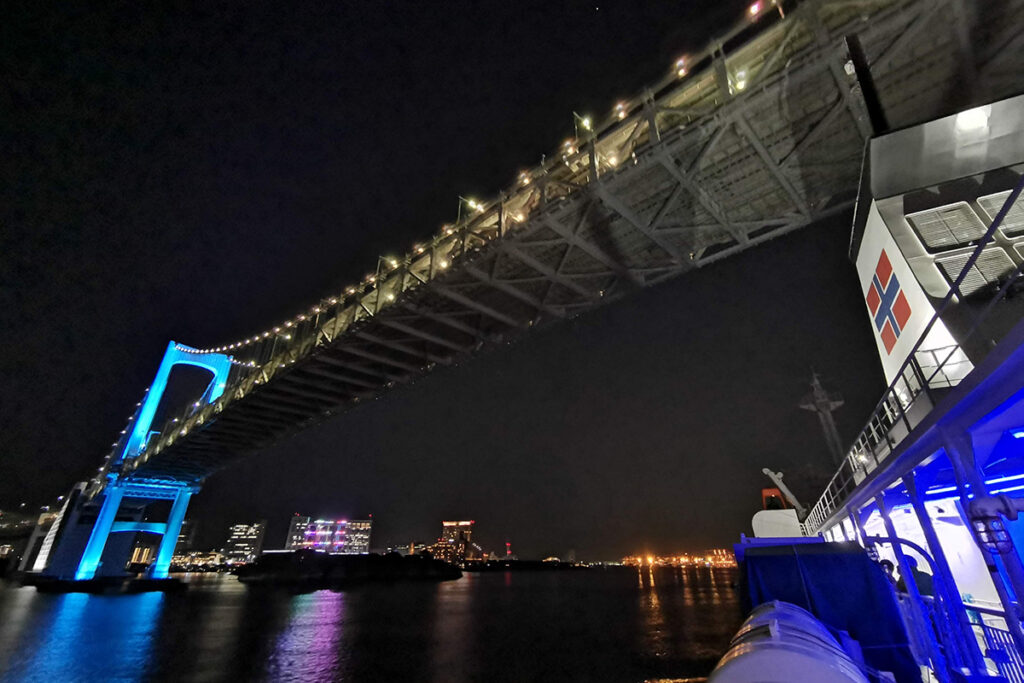
As the ferry passes beneath the Rainbow Bridge and Tokyo’s skyline fades into the distance, the journey becomes unforgettable. By morning, golden sunlight reflects off the ocean as you arrive—ready to begin your ride.
Ride the Island Loop: Layers of Earth and Lunar Landscapes
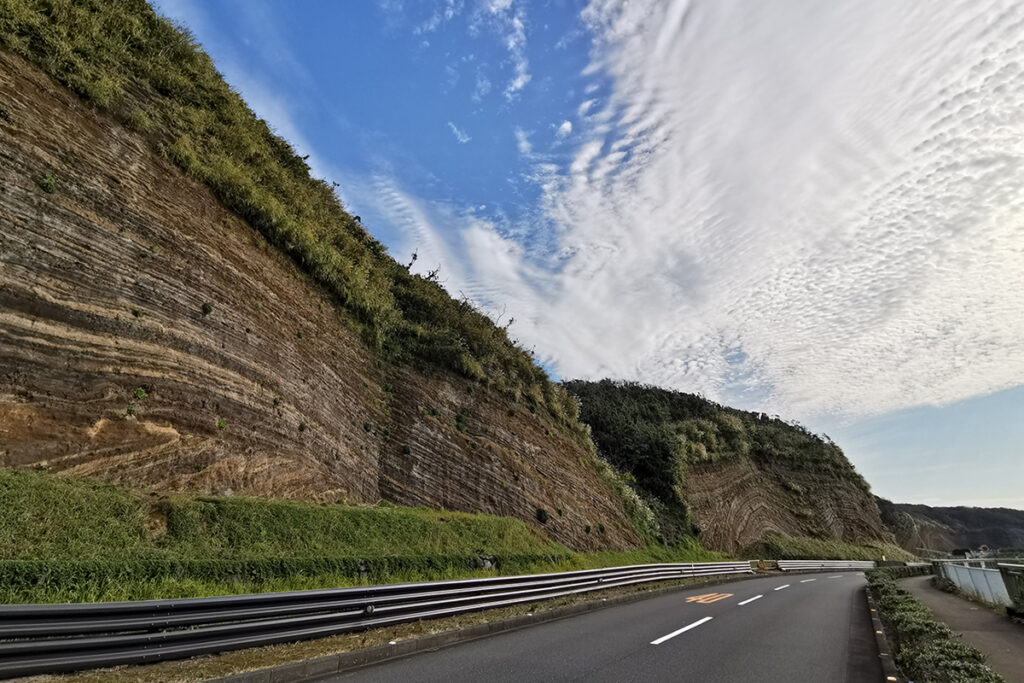
The main cycling route around Izu Oshima is the approximately 43 km Oshima Loop Road. With constant elevation changes, it’s a rewarding challenge for road cyclists.One of the highlights is the striking geological formation known as the “Baumkuchen.” This massive exposed cross-section of layered volcanic deposits—24 meters high and 600 meters long—reveals tens of thousands of years of eruptions from Mt. Mihara. Standing before it feels like witnessing a natural work of art shaped by time.
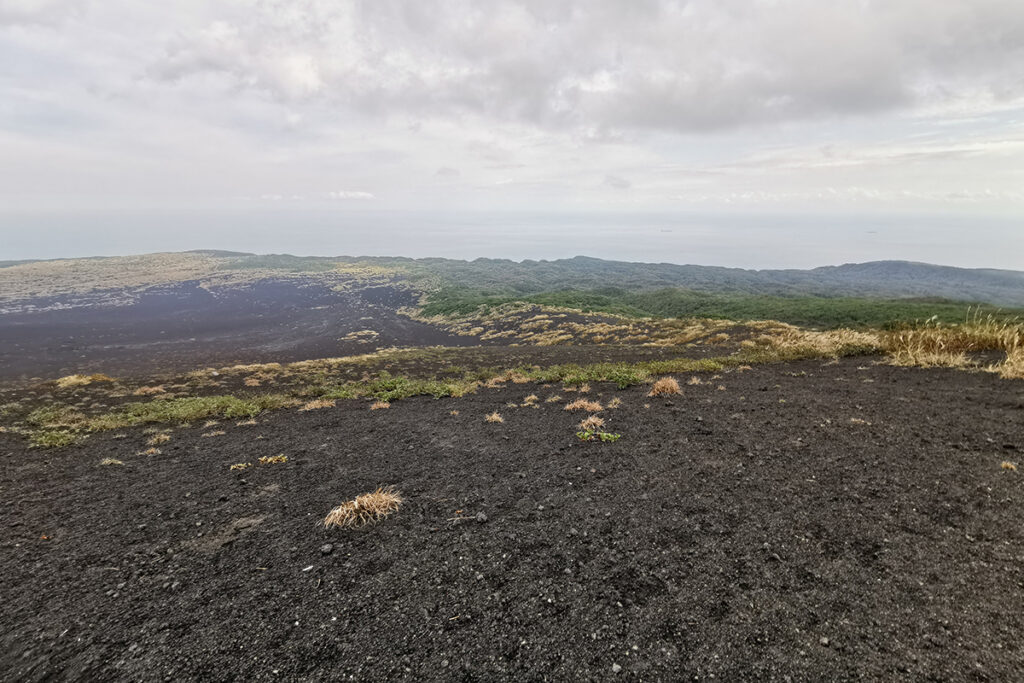
For a more surreal experience, head to Ura Sabaku (literally “Back Desert”), the only place in Japan with “desert” in its name. Covered in black volcanic gravel (scoria), the landscape stretches to the horizon, resembling the surface of the moon. Walking here, you may forget entirely that you are still in Tokyo.
Climbing Mt. Mihara via the Gojinka Skyline
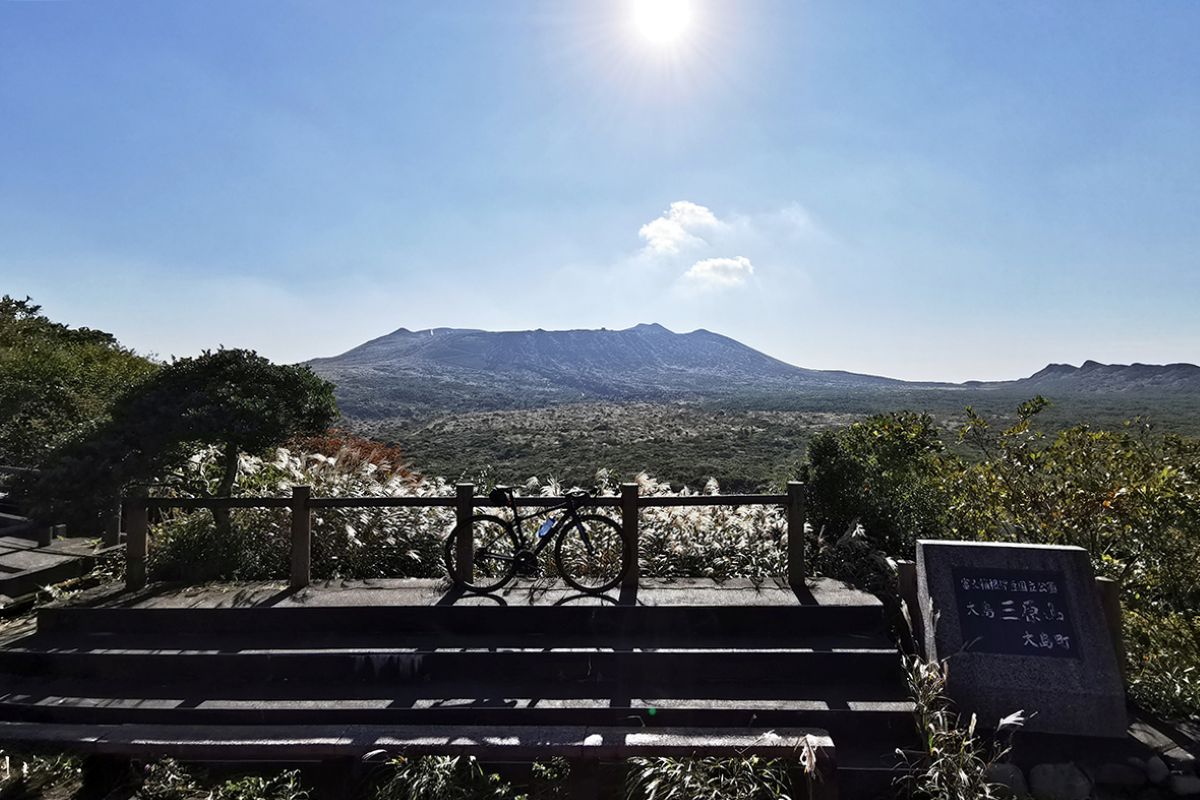
At the heart of the island stands Mt. Mihara (758 m), long revered by locals as “Gojinka” (sacred fire). Its powerful volcanic presence has even influenced Japanese pop culture.
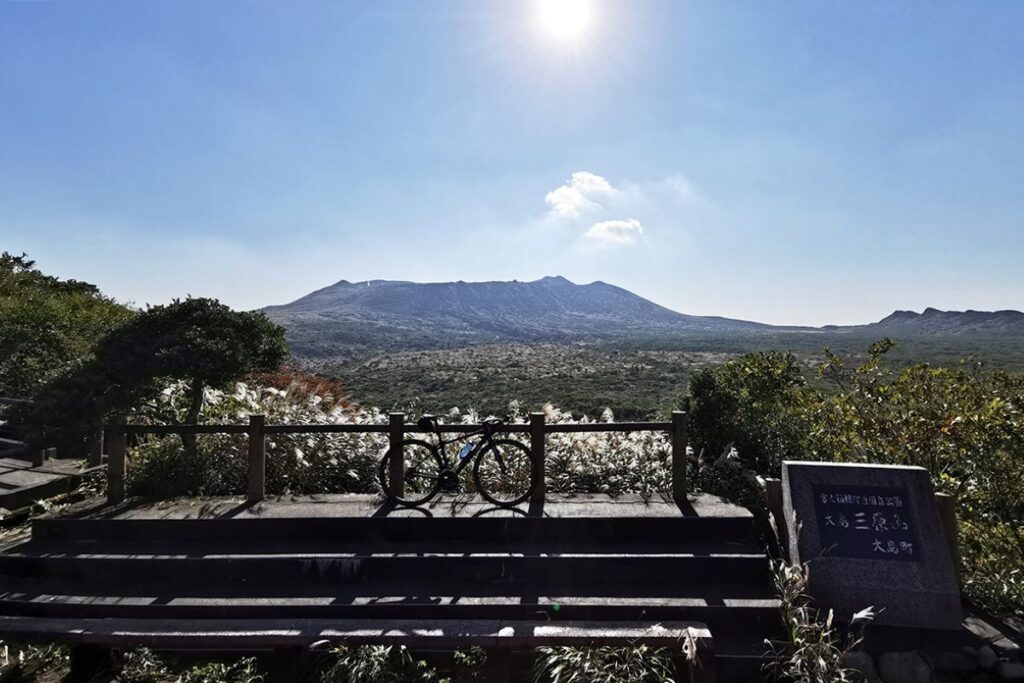
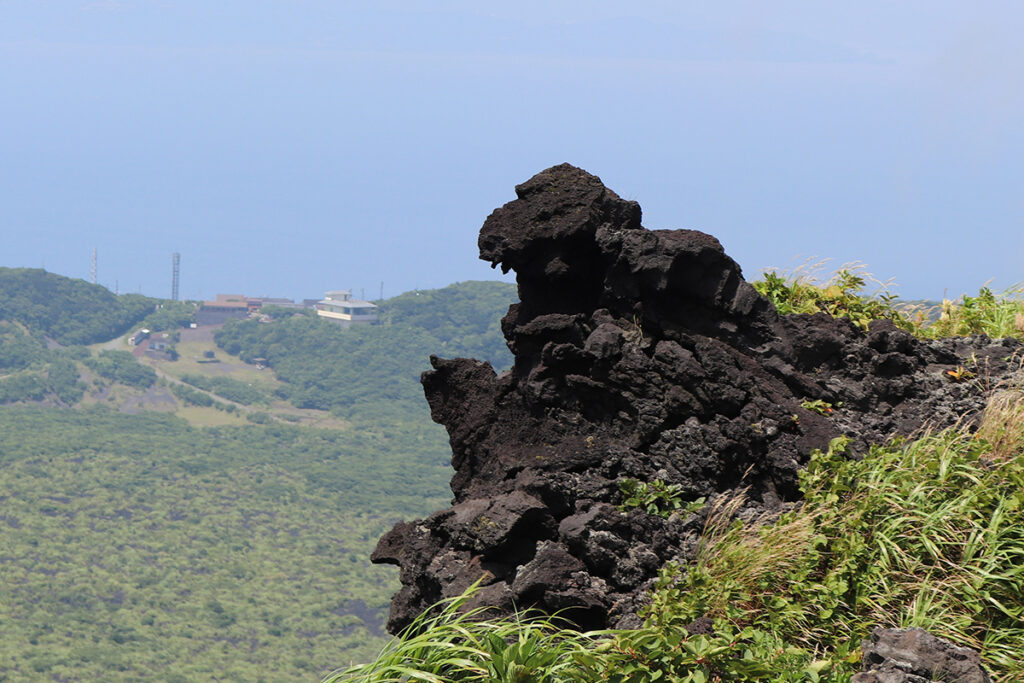
In fact, the world-famous monster Godzilla is said to have disappeared into—and later re-emerged from—the crater of Mt. Mihara in the films. On the island, you’ll also find “Godzilla Rock,” a naturally formed lava structure resembling the iconic creature.
Reaching the mountain requires a serious climb. Among several routes, the Gojinka Skyline is the most popular for cyclists seeking a challenge. Starting near Motomachi Port, the 5 km climb features gradients averaging 8–10%, with sections exceeding 15%.As you ascend, each turn opens up sweeping views of the Pacific Ocean. On clear days, even Mt. Fuji appears in the distance—a reward well worth the effort.
From Cycling to Trekking: Into the Volcano
At the summit entrance, it’s time to switch from cycling to trekking. It’s recommended to wear comfortable walking shoes or SPD-compatible footwear for this section.From the trailhead, a paved path leads to the crater area in about 45 minutes on foot. The landscape is stark and powerful—formed by lava flows from the major eruption of 1986.
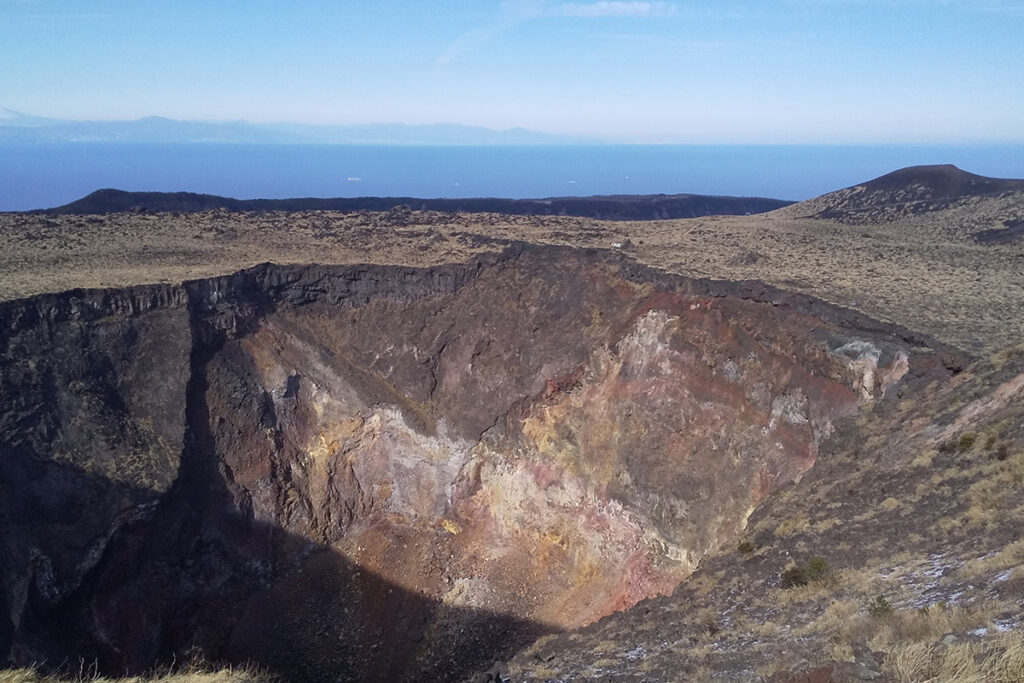
The circular route around the crater is called Ohachi-meguri, where you can walk along the rim of a roughly 300-meter-wide crater. Looking down into it, you can feel the living energy of the Earth beneath your feet.This is also the legendary setting tied to Godzilla’s story, adding a unique cultural layer to the geological experience.
Island Cuisine and Local Flavors
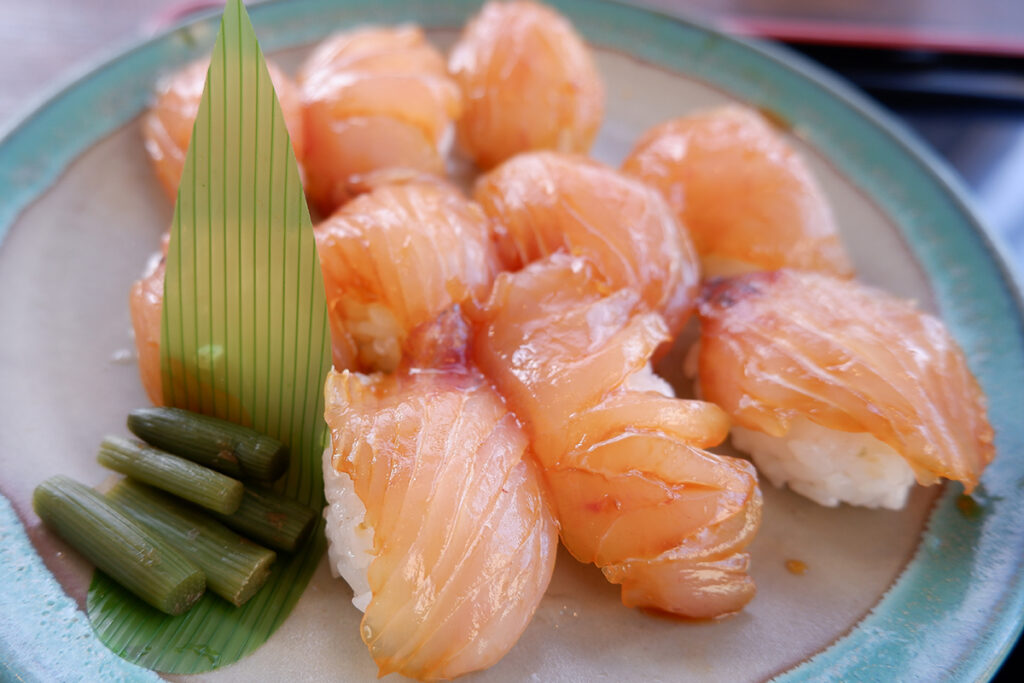
After a demanding ride, Izu Oshima’s local cuisine provides the perfect recovery.One must-try dish is Bekko Sushi, a regional specialty made by marinating white fish such as sea bream or tuna in a soy-based sauce infused with chili peppers. The result is a glossy, amber-colored topping with a balance of sweetness and subtle spice.
Another highlight is Oshima Milk Ice Cream, made from rich local milk. Its creamy texture and clean aftertaste make it a favorite among visitors.
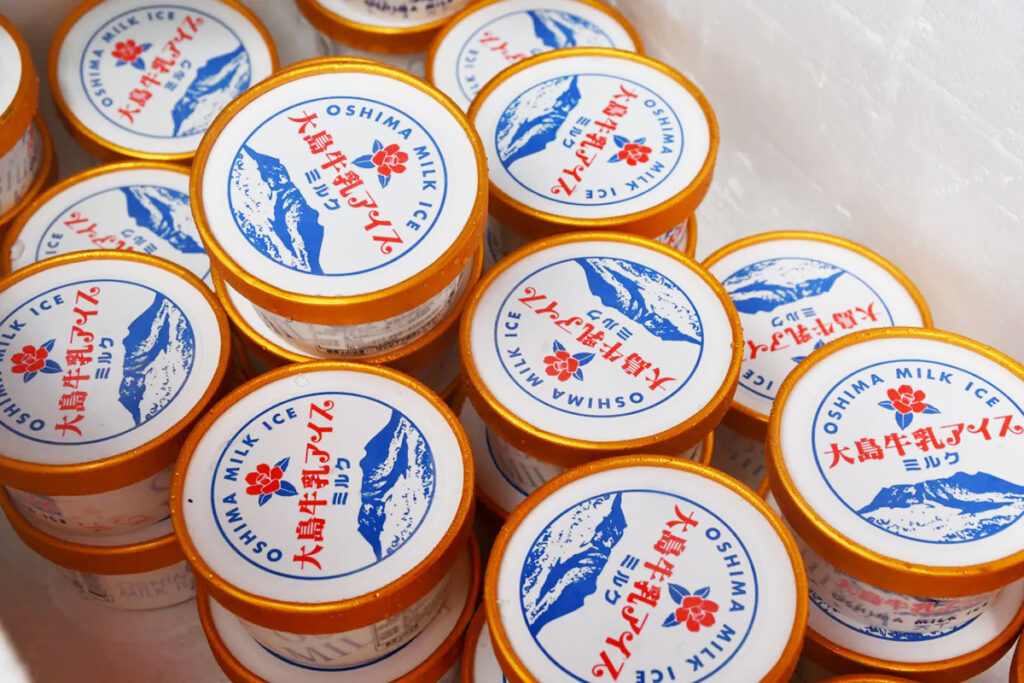
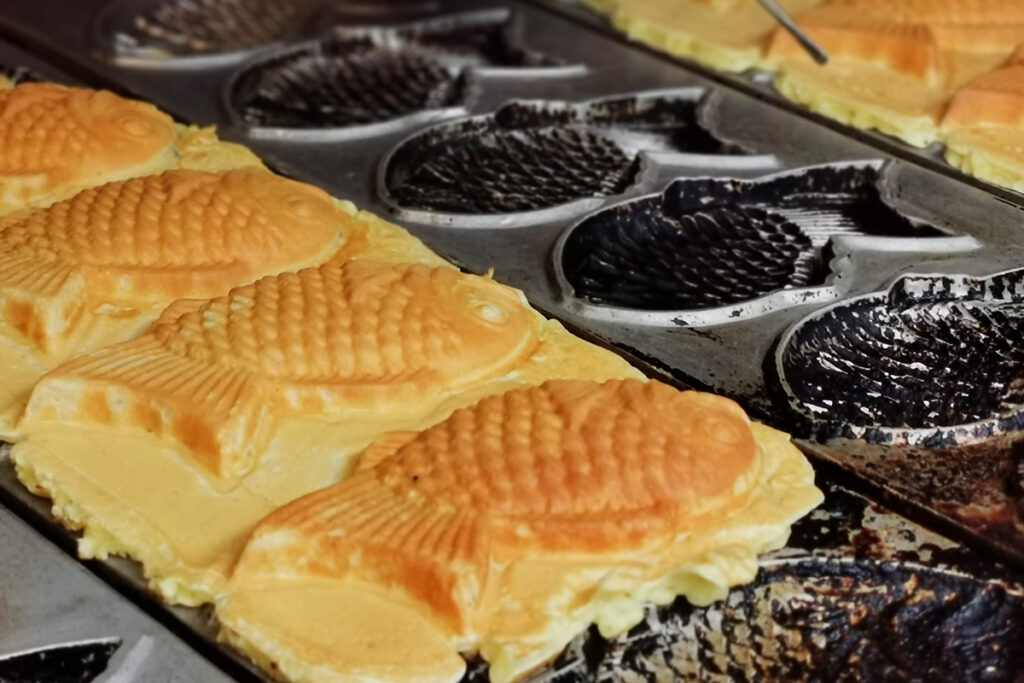
Beyond these, the island is full of hidden gems—from small-town croquette shops to local taiyaki stands. Exploring by bike allows you to discover these spots at your own pace.
Accommodation, Hot Springs, and Souvenirs
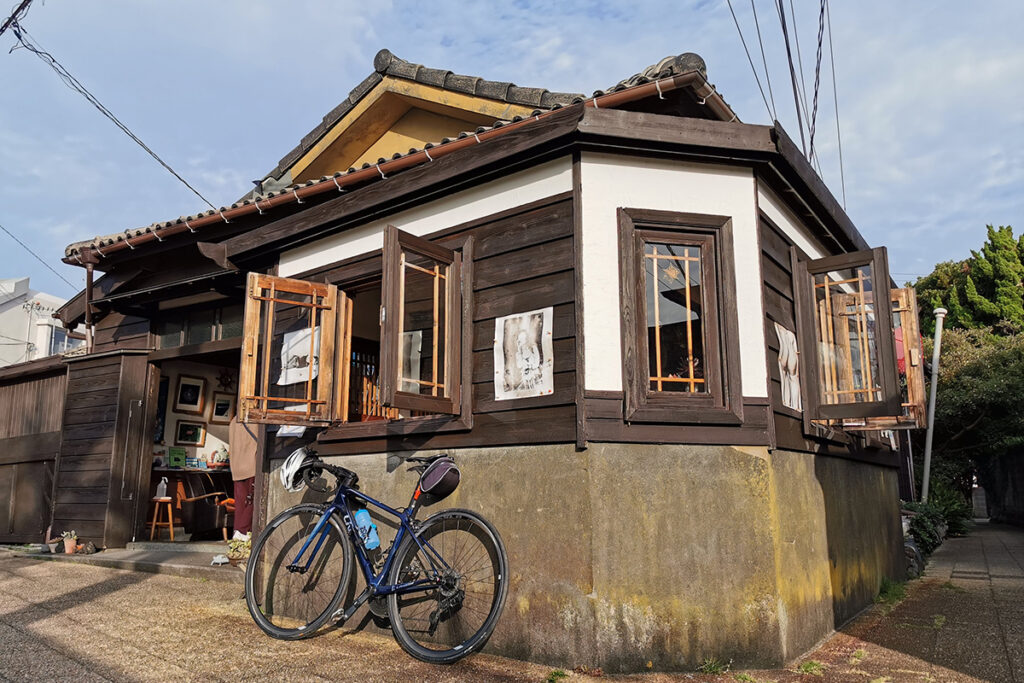
The Motomachi area offers a range of accommodations, many with open-air hot springs overlooking the ocean. Soaking in a bath while watching the sunset melt into the sea is the perfect way to end a day of cycling.Many lodgings are cyclist-friendly, offering indoor bike storage and maintenance support, making it easy to travel with your own bicycle.For dinner, you may encounter dishes prepared with camellia oil, a local specialty known for its delicate flavor and health benefits.
Accommodation information for Izu Oshima
As a souvenir, camellia oil is a must-buy. Used for cooking, skincare, and haircare, it represents the island’s heritage and makes for a meaningful gift.

A Unique Cycling Escape from Tokyo
One of the most popular itineraries for cyclists is a “1 night, 3 days” trip—departing Tokyo at night by ferry, staying onboard, and then spending two full days riding on the island.Return ferries departing in the afternoon will bring you back to Tokyo by evening, making this a highly accessible yet deeply immersive adventure.
Just 120 km from Tokyo, Izu Oshima offers a completely different world—where volcanic landscapes, ocean views, and cultural stories come together in one unforgettable cycling journey.
- HOME
- Japan Cycling Routes / Areas
- Cycling Through Tokyo’s “Otherworld”: A Guide to Exploring Volcanic Izu Oshima
- HOME
- Cycling Routes
- Cycling Through Tokyo’s “Otherworld”: A Guide to Exploring Volcanic Izu Oshima