Stay at a Temple: The Ultimate Rejuvenation for Your Japan Cycling Journey

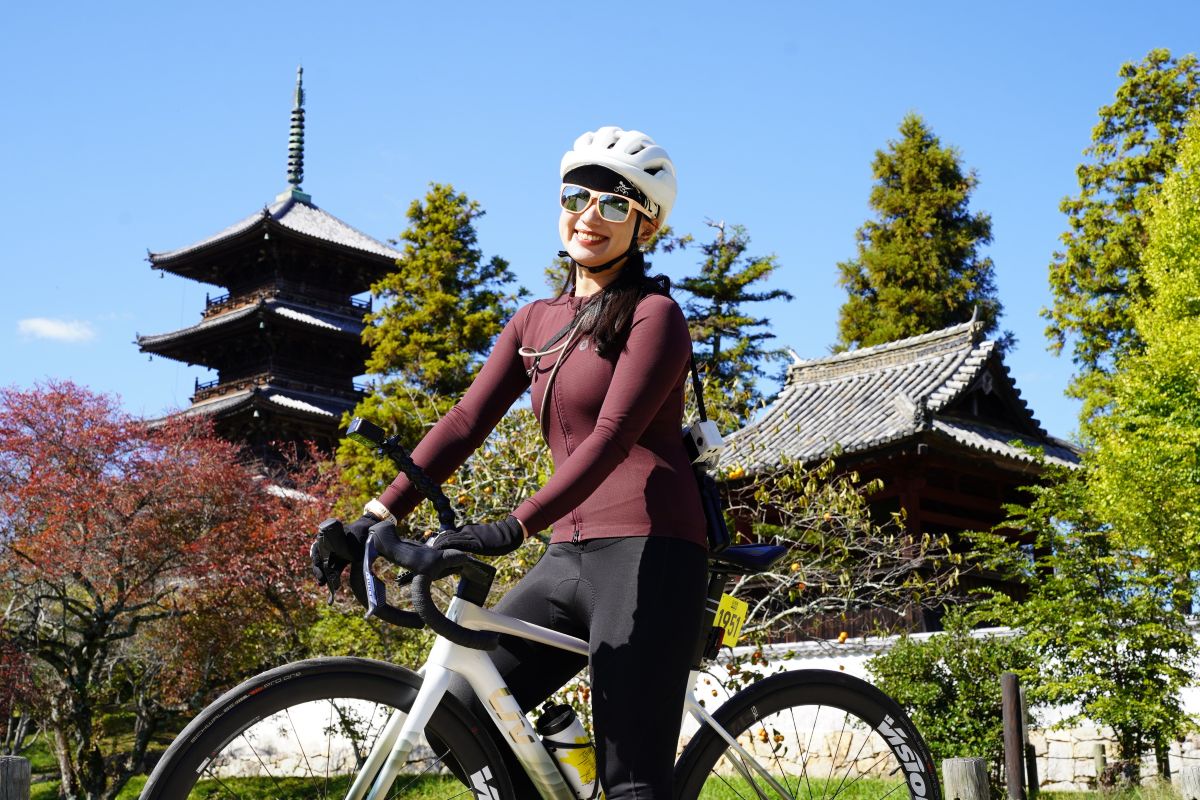
If you are planning a cycling trip through Japan, there is one experience you simply cannot miss: a stay at a “Shukubo” (Temple Lodging). After a long day in the saddle, trading the hum of the city for the profound silence of a historic temple offers a level of refreshment that no modern hotel can match.
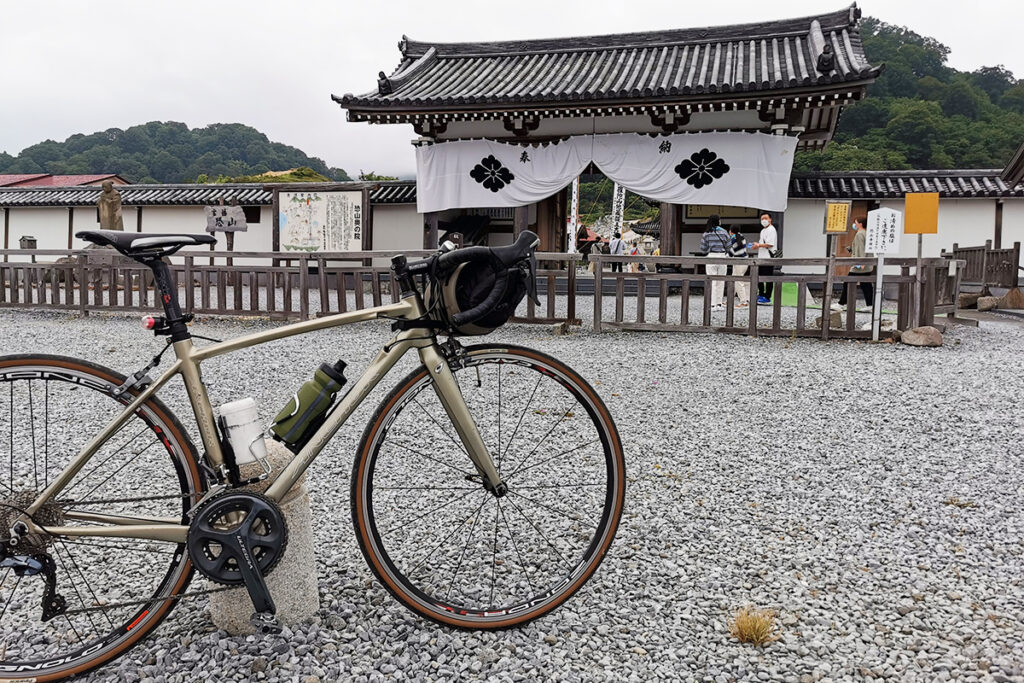
What exactly is “Shukubo”?
Originally, Shukubo were simple lodgings for Buddhist monks and pilgrims visiting sacred sites. Today, many are open to all travelers, regardless of faith. However, don’t expect a typical “Japanese-style hotel.” A Shukubo is an integral part of a living temple. The lifestyle here is simple, serene, and rooted in Buddhist teachings—offering a rare window into the spiritual heart of Japan.
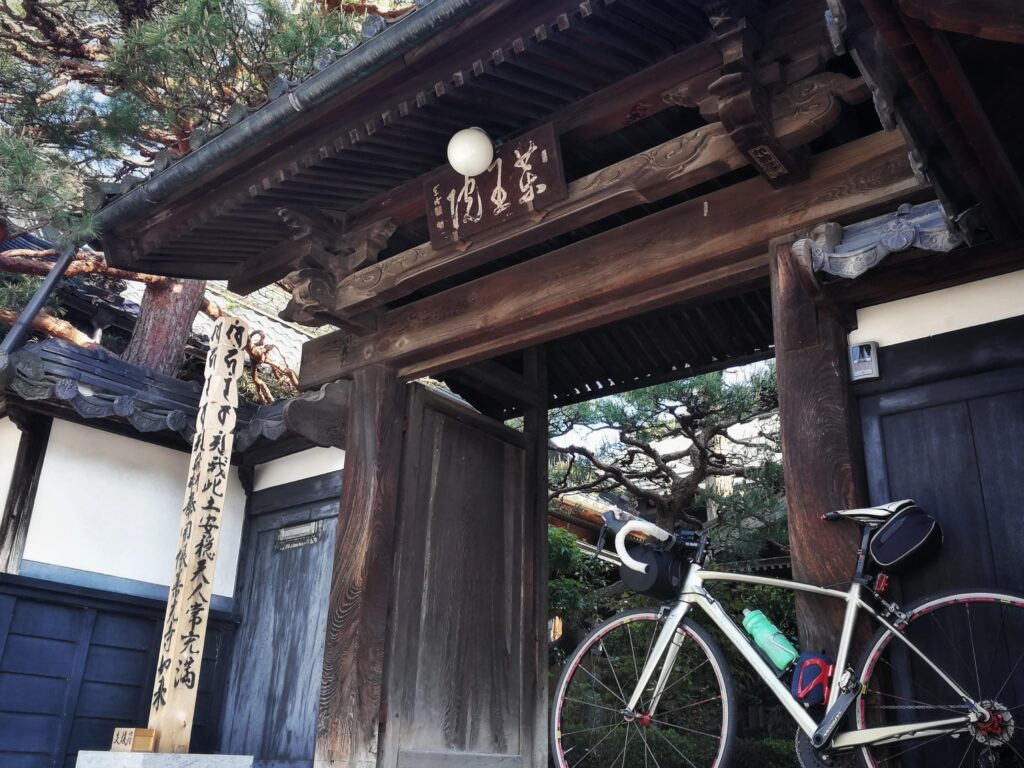
An Immersive Cultural Experience
Staying at a temple isn’t just about sleeping; it’s about participation. Most temples offer guests the chance to join traditional rituals:
- Morning Ceremony (O-asaji / Gongyo): Wake up with the sunrise to listen to monks chanting sutras. It is a powerful moment to pray for your safe travels on the road ahead.
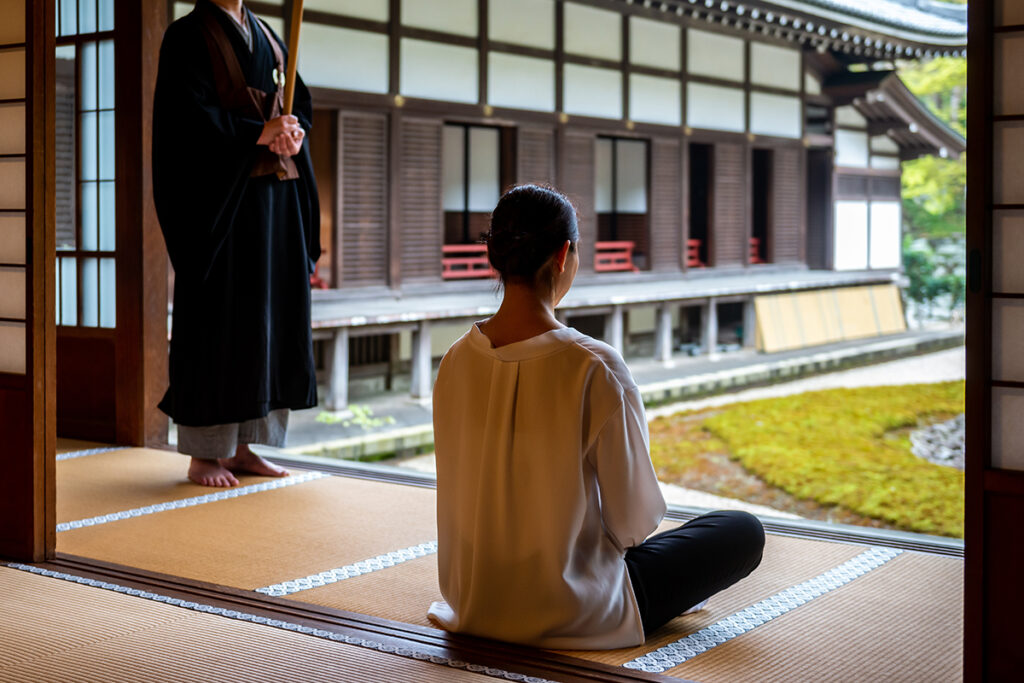
- Meditation (Zazen / Ajikan): Take a moment of stillness to focus on your breathing and inner self. It is the perfect way to clear the mental “clutter” of travel, sharpening your focus while healing both tired muscles and a weary mind.
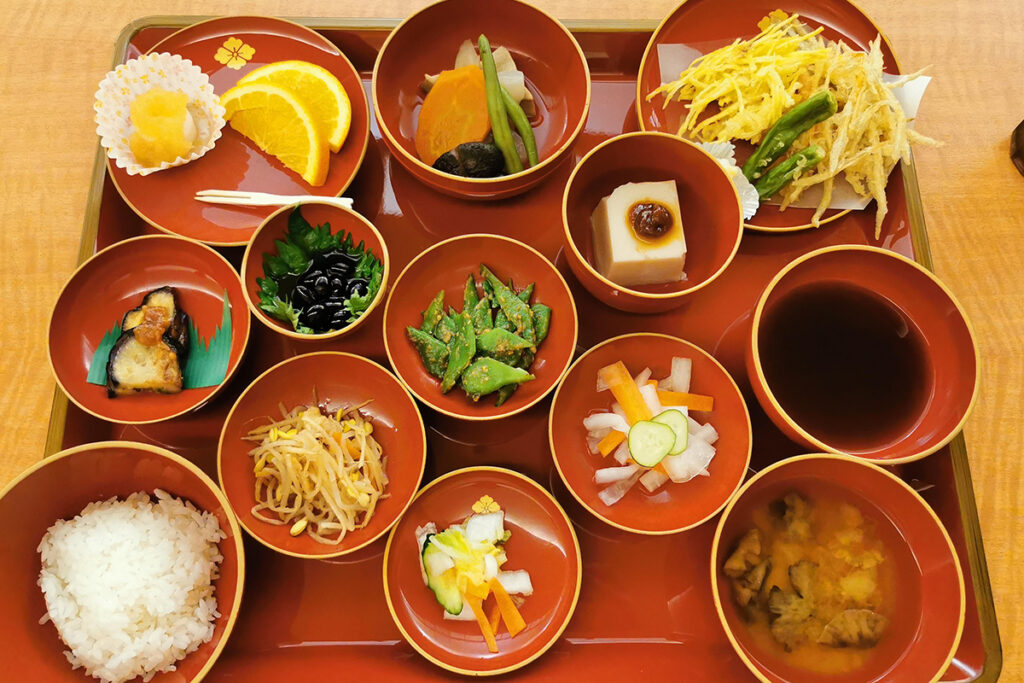
- The Ultimate Recovery Meal: “Shojin Ryori” This traditional vegetarian cuisine, prepared without meat or fish, is remarkably gentle on the digestive system. Rich in seasonal vegetables and soy products, it is the ideal “recovery food” to condition your body for the next day’s ride. Each dish is a miniature work of art.
- Serenity and Security : Most Shukubo are nestled in mountain recesses or along ancient heritage roads, ensuring a peaceful night’s sleep. Because temples are sacred spaces, the environment is exceptionally safe, allowing you to rest easy knowing your precious bike is in a secure location.
Etiquette and Tips for Temple Stays
Remember that a Shukubo is primarily a place of practice, not a commercial hotel. Respect for the temple’s schedule is essential. Dinner and morning ceremonies follow a strict timetable—morning rituals often begin between 5:00 and 6:00 AM, and punctuality is a must.
When entering the Main Hall (Hondo), avoid wearing revealing cycling kits or spandex. Temples are often wooden structures that can be quite chilly in the early morning; we recommend bringing a light windbreaker or overpants to stay warm and respectful during the ceremony.
While many temples are becoming more “cycle-friendly,” bike storage varies. You may be asked to park in an indoor entrance hall (doma) or a secure, discreet outdoor area. We recommend confirming storage options in advance. When bringing your bike indoors, please be mindful of the sacred space by wiping any dirt or dust off your tires at the entrance.
Recommended Area 1: Ko-yasan (Wakayama Prefecture)
Despite the name, Ko-yasan is not just a mountain; it is a sacred religious city situated on a high-altitude plateau roughly 800 meters above sea level. Founded 1,200 years ago by Kobo Daishi (the father of Shingon Buddhism), the entire area is a UNESCO World Heritage site. With 117 temples—about half of which offer Shukubo—the town feels like one massive, interconnected temple complex. The scent of incense and the distant sound of chanting create an atmosphere found nowhere else in Japan.
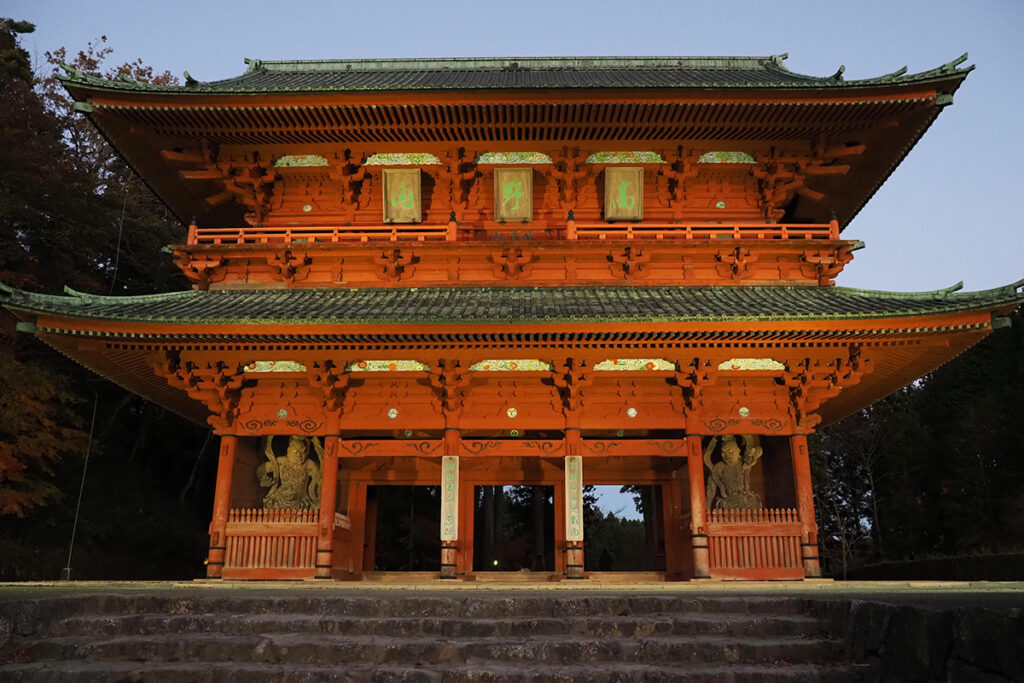
For cyclists, the journey to Ko-yasan is a reward in itself—a challenging hill climb ascending 800 meters from the valley floor. As you crest the climb and pass through the massive “Daimon” (Great Gate), you cross a spiritual boundary into a world of profound sanctity.
Three Top Picks for Shukubo in Ko-yasan
1. Eko-in:The Premier Choice for International Guests
Known for its exceptional English support, Ekoin is a favorite for first-time temple guests.
- The Full Experience: Offers Ajikan meditation, sutra copying, and the spectacular Goma fire ritual. They also lead popular English-guided night tours of the Okunoin cemetery.
- Cyclist Hospitality: Highly accommodating toward cyclists, often helping to find secure spots for high-end bikes.
- Modern Comfort: Blends a historic atmosphere with modern amenities like clean rooms and Wi-Fi.
2. Ichijoin: A Culinary Masterpiece
Renowned globally for serving what is arguably the finest Shojin Ryori in Ko-yasan.
- Gourmet Recovery: Their seasonal vegetarian feasts are so satisfying you’ll forget they don’t contain meat. It is true nourishment for a weary cyclist.
- Refined Aesthetics: The exquisite room decor and stunning gardens provide a sophisticated sanctuary for those seeking silence and luxury.
3. Muryokoin: An Authentic Monastic Atmosphere
Ideal for those seeking a raw, less “touristy” glimpse into the daily lives of monks.
- Global Connection: Home to a multilingual monk from Zurich, Switzerland, who provides insightful explanations of the morning ceremonies in English.
- Serene Location: Offers a quiet, contemplative environment for deeper spiritual focus.
- Great Value: A more affordable option for those wanting an authentic, no-frills experience.
Recommended Area 2: Zenko-ji Area (Nagano Prefecture)
Easily accessible from Tokyo via the Shinkansen, Zenko-ji in Nagano is a rare “non-sectarian” temple. Historically, it has welcomed everyone regardless of their background, earning it the reputation as a place where “all are saved.”
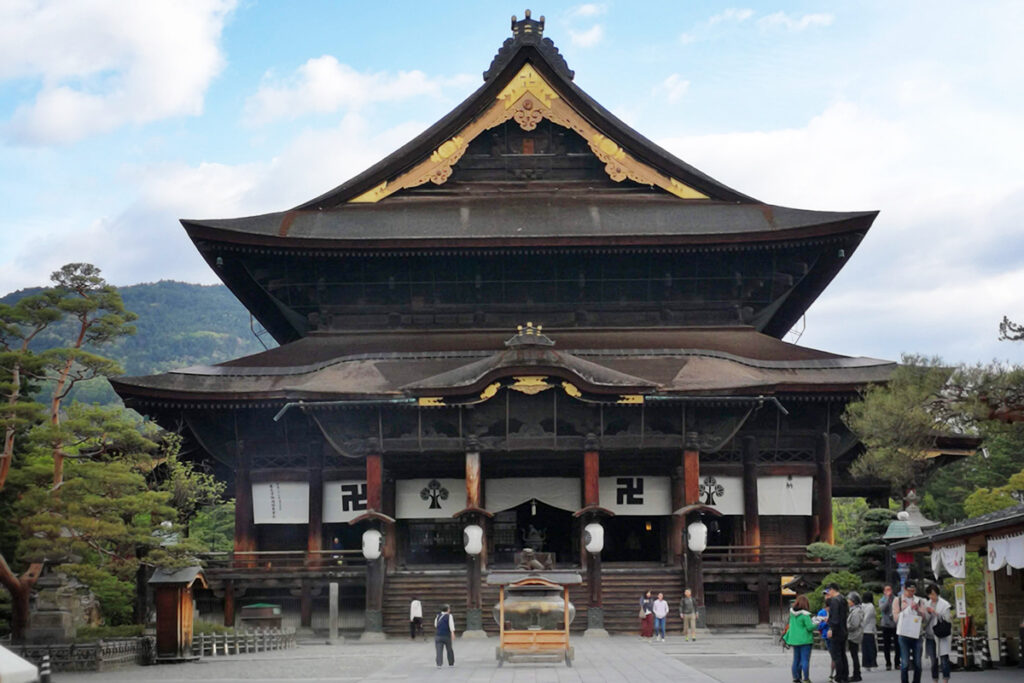
There are 39 Shukubo lining the streets around the temple. Unlike the secluded feel of Koyasan, this area offers a charming blend of a lively “temple town” (monzen-machi) atmosphere and warm, familial hospitality. Note that while many are welcoming, only a few offer full online booking in English.
Featured Shukubo in Zenko-ji
Fuchinobo: Sophisticated Cuisine and English Support
Highly rated by international travelers, this is the perfect introduction to the Zenko-ji area. Located right on the main Omotesando approach, it is incredibly convenient for sightseeing after you park your bike. The head priest often provides explanations of the temple’s history in English. They are generally flexible with bike storage (indoors or under eaves). You can find them on major booking sites or contact them via their English inquiry form.
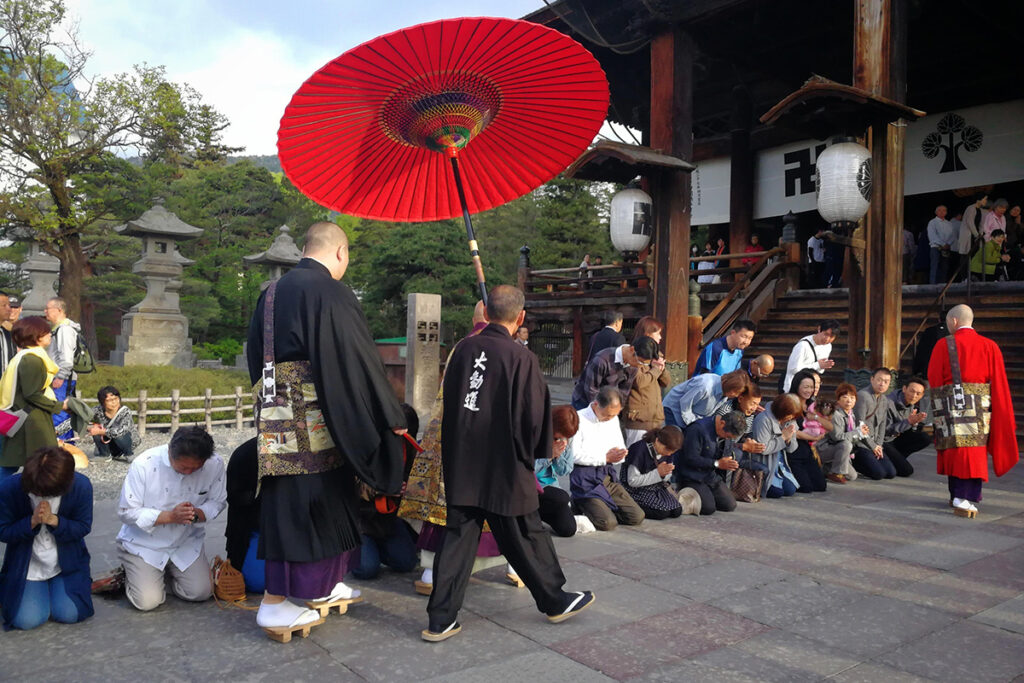
The Highlight: The “O-asaji” Morning Ritual The greatest perk of staying at Zenko-ji is being perfectly positioned for the early morning ceremonies:
- O-juzu Chodai (The Rosary Blessing): As the high priest or priestess walks to the Main Hall, guests kneel to receive a blessing by being touched on the head with Buddhist rosary beads. It is a profound moment to pray for safety on your cycling journey.
- O-kaidan Meguri (Search for the Key): Walk through a pitch-black corridor beneath the altar to find the “Key to Paradise.” In total darkness, your senses sharpen—a quintessential mindfulness experience.
◇
Cycling through Japan is more than just covering miles on a map; it is about forging a deep connection with the landscape, the people, and the culture. When you roll up to a Shukubo at the end of a long day, you cease to be a “tourist” and instead join a centuries-old lineage of pilgrims.
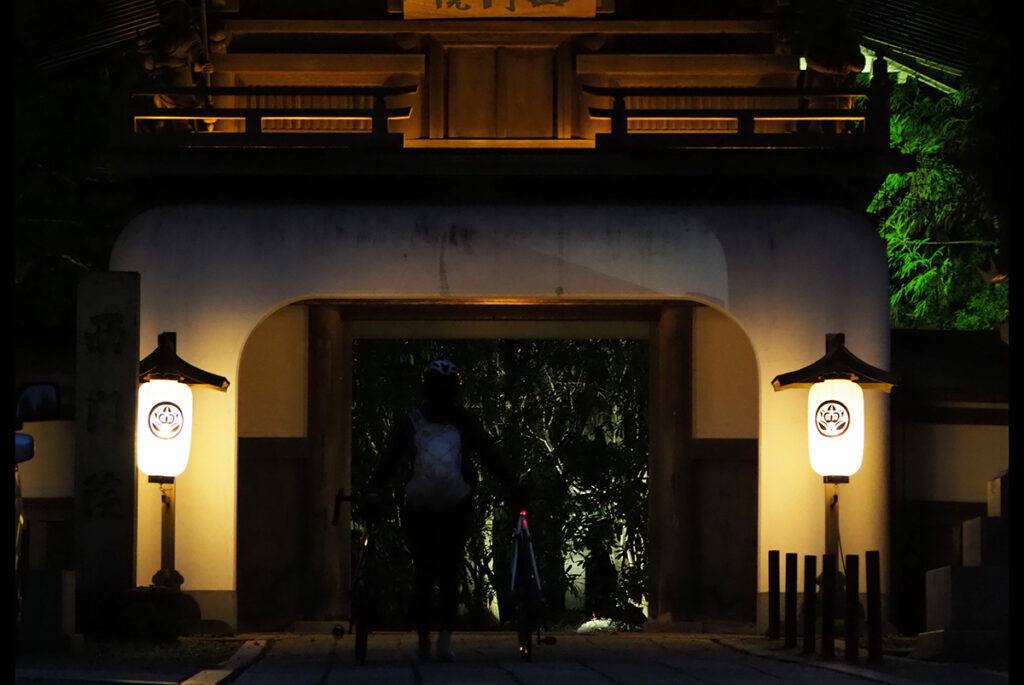
The rhythm of your journey—the “action” of pedaling and the “stillness” of the temple—creates a balance that only a cyclist can truly appreciate. Make your next trip unforgettable by adding a Shukubo stay to your itinerary.
- HOME
- Lodging & Rest Spots for Cyclists
- Stay at a Temple: The Ultimate Rejuvenation for Your Japan Cycling Journey
- HOME
- Travel Tips for Cyclists
- Stay at a Temple: The Ultimate Rejuvenation for Your Japan Cycling Journey
- HOME
- Hokushinetsu
- Stay at a Temple: The Ultimate Rejuvenation for Your Japan Cycling Journey