The Ultimate Proof of Endurance in Japan. Riding from Tokyo to Osaka in 24 Hours: The “Cannonball”
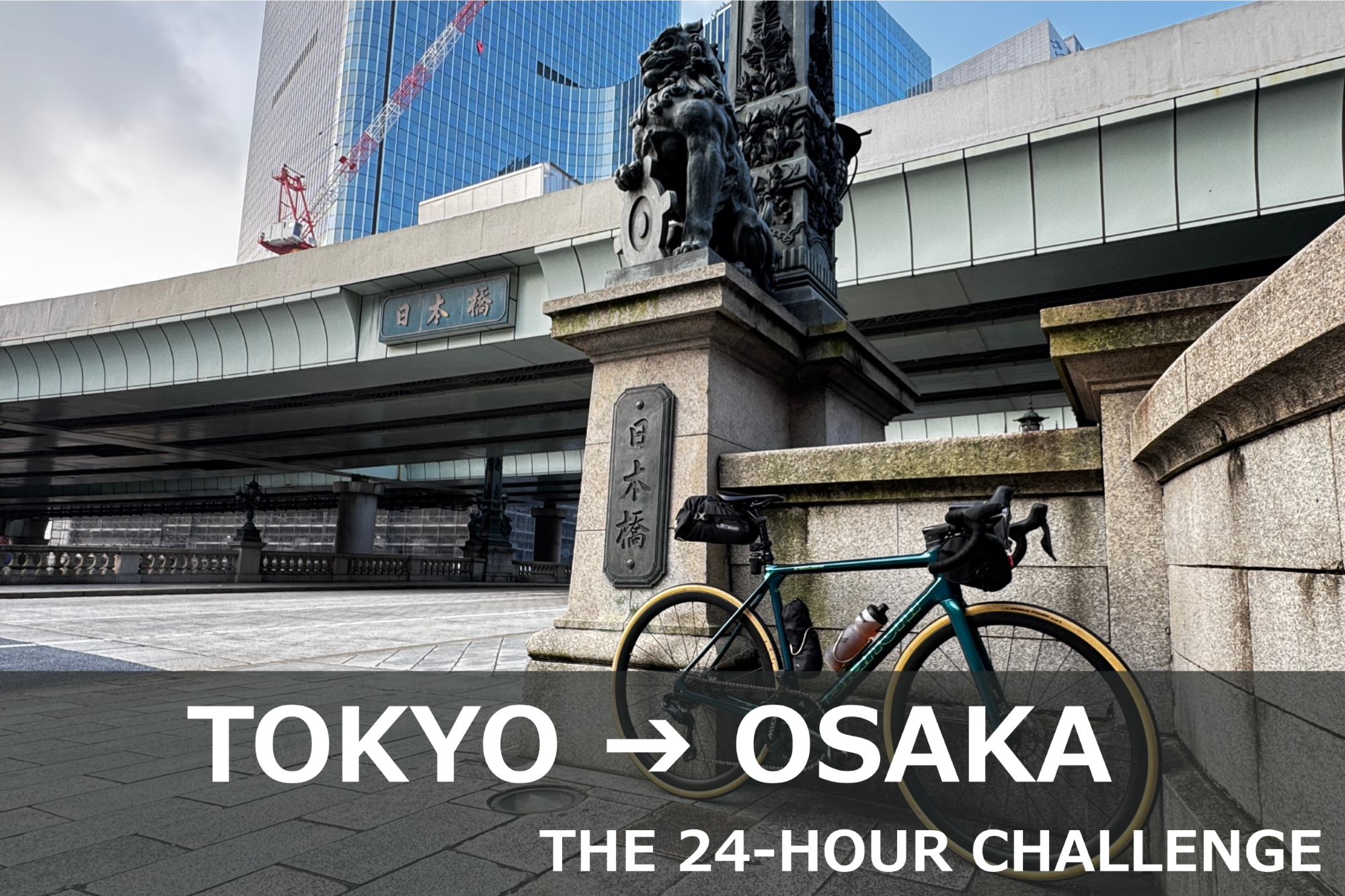
Among Japanese cyclists, there is a legendary challenge spoken of with the same reverence as a holy grail. It’s called the “Cannonball”—a self-supported, non-official time trial that pushes riders to cover roughly 530 km (330 miles) between Tokyo and Osaka within 24 hours.
There is no race organizer. No prize money. No cheering crowds at the finish line.
What awaits instead is a raw test of physical endurance, mental resilience, and a uniquely Japanese cycling culture built on discipline, passion, and just a hint of madness.
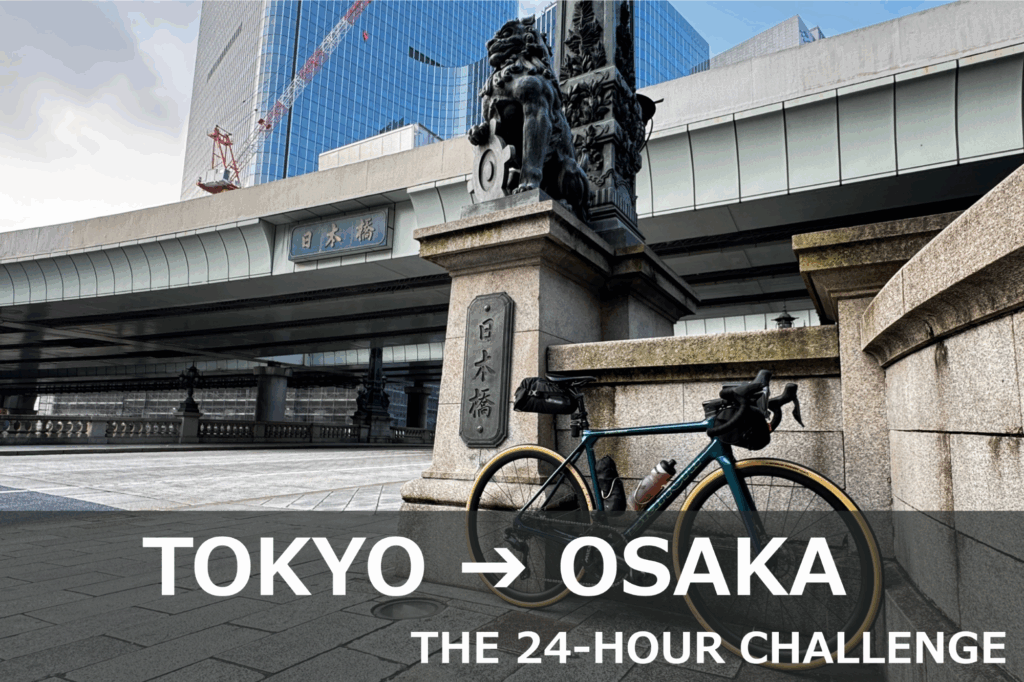
What Is the “Cannonball”?
The name “Cannonball” originates from ultra-distance challenges in the United States, but in Japan it refers to a very specific concept and route.
Route
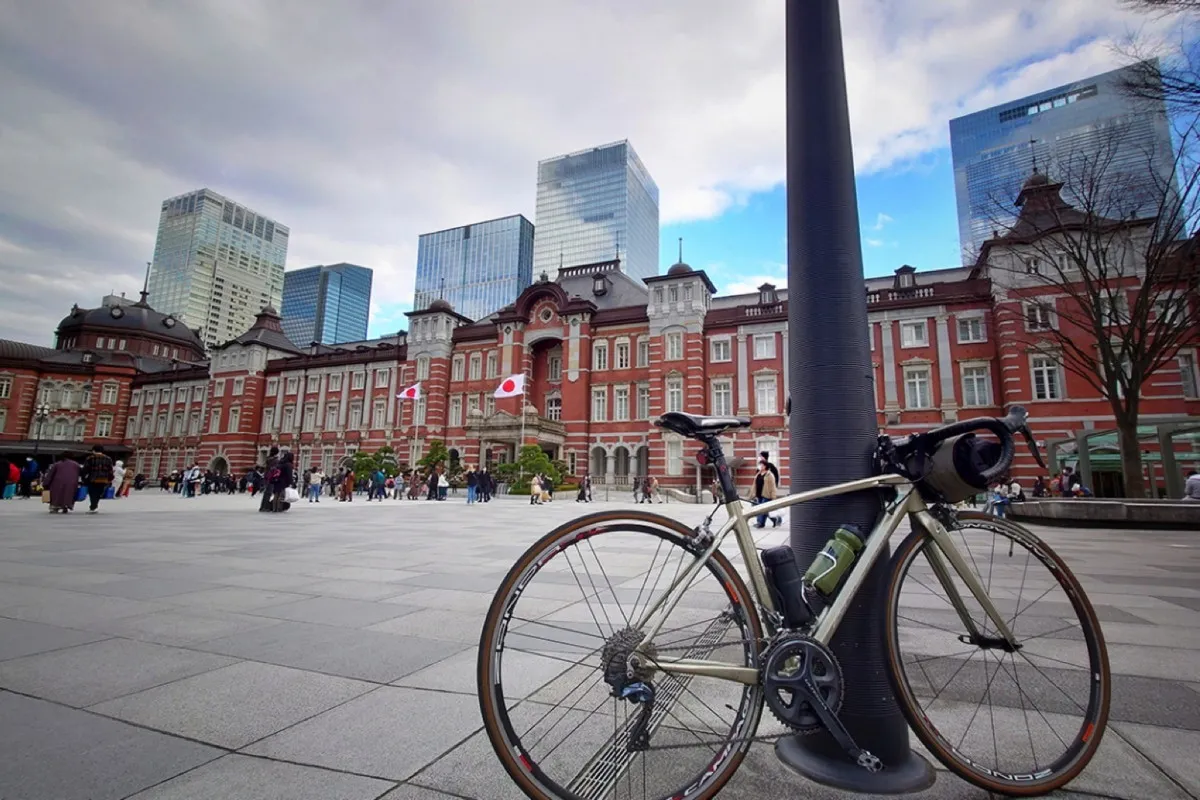
- Nihonbashi (Tokyo) ↔ Umeda (Osaka)
- Primarily following National Route 1 and surrounding arterial roads
Distance
- Approximately 520–550 km, depending on route choice
Time Limit
- 24 hours
Style
- Fully self-supported (no support cars, generally solo)
To succeed, riders must maintain an overall average speed of 22–23 km/h, including traffic lights, meals, and short rest stops. In reality, this means cruising at 30 km/h or faster whenever the bike is moving—while managing fatigue, navigation, and nutrition with ruthless efficiency.
Legendary Obstacles: Hakone and Suzuka
What makes the Cannonball truly dramatic is that it is far from flat.The route crosses landscapes that reflect Japan’s geography and history.
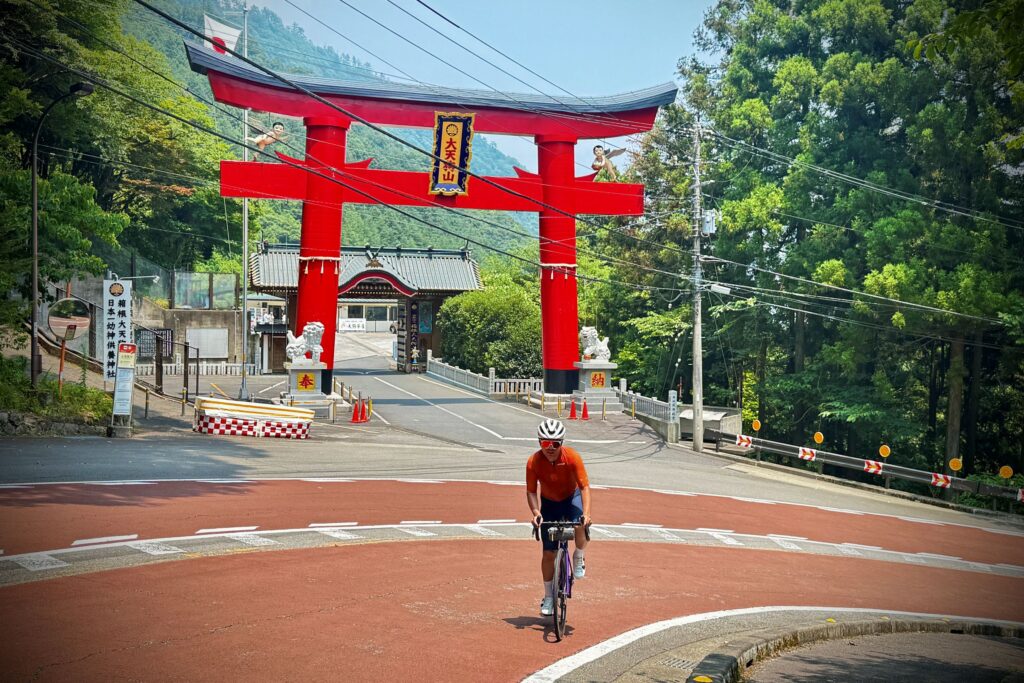
Hakone Pass – The First Trial
Shortly after leaving Tokyo, riders face Hakone Pass, climbing to over 800 meters above sea level. This historic mountain pass was once the most feared section of the old Tōkaidō road during the Edo period—and it still humbles modern cyclists today.
The “Endless Flats” of Shizuoka
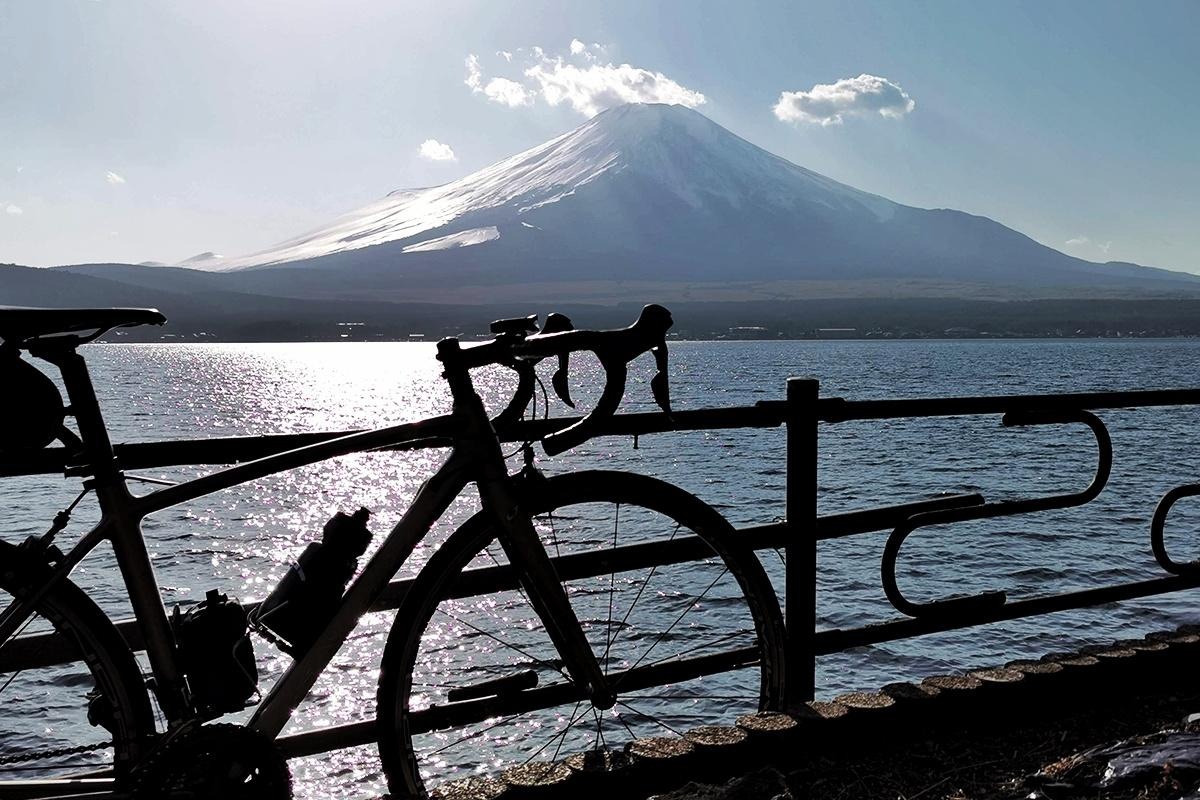
Riding alongside the Pacific Ocean with Mount Fuji occasionally visible to the right, Shizuoka Prefecture stretches on for over 150 km.It looks easy on paper, but strong headwinds are common, quietly draining both legs and morale.
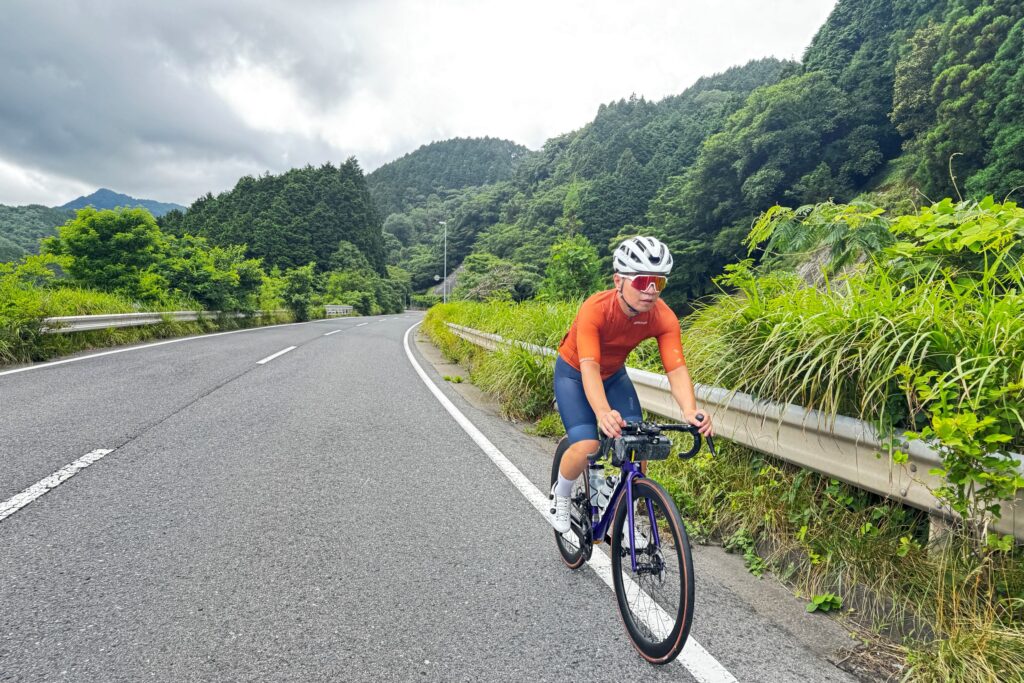
Suzuka Pass – The Final Gatekeeper
Near the end, Suzuka Pass stands between the rider and Osaka. With exhausted legs, the final steep climb feels cruel—but once over the top, the city known as “Japan’s Kitchen” is within reach.
Why Does This Challenge Fascinate Japanese Cyclists?
Overseas riders may wonder: Why would anyone do this?
The answer lies beyond sport. The Cannonball is often described as “the ultimate journey through Japan’s geography and infrastructure.”
Convenience Stores as Pit Stops
Japan’s 24-hour convenience stores are a secret weapon.Food, water, restrooms, ice, hot meals—everything a cyclist needs is always nearby.This unmatched infrastructure makes ultra-distance, self-supported riding possible in a way few countries can replicate.
Silence on National Route 1 at Night
During the day, Route 1 is busy and noisy.At night, it transforms.Under streetlights, the road becomes quiet, almost meditative—a place where riders often slip into a deep state of focus and flow.
A Unique Cycling Community
On social media platforms like X (formerly Twitter), riders share live updates using the hashtag #Cannonball.Other cyclists may appear along the route to offer encouragement—a tradition known as “geigeki” (interception-style cheering).Many riders also share live GPS tracking via devices like Garmin, turning a solitary ride into a collective experience.
Advice for Those Considering the Challenge
If this journey sparks your curiosity, preparation is essential.
- Master the Route
Japan’s roads can be complex, and many bypasses prohibit bicycles.Pre-loading a verified route into your GPS device is absolutely critical. - Prioritize Visibility and Safety
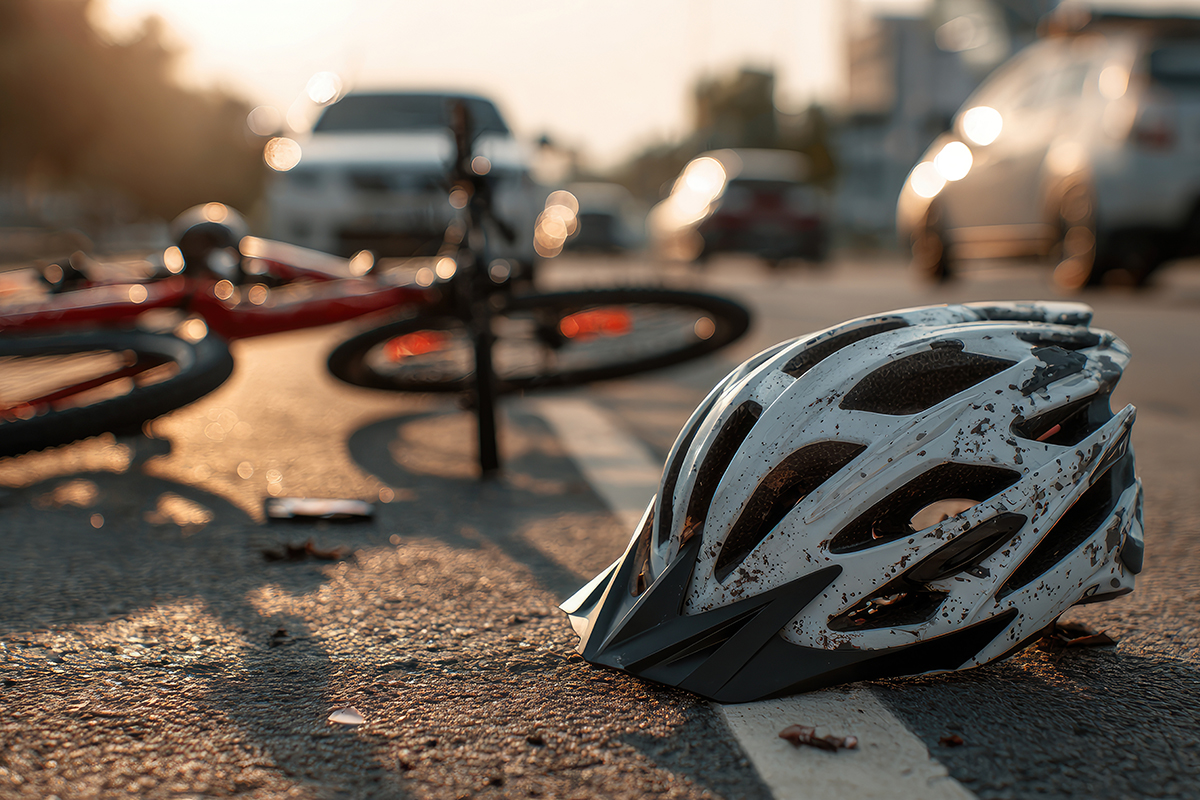
High-quality front and rear lights, reflective gear, and a helmet are non-negotiable.While Japanese roads are generally safe, night riding alongside freight trucks demands maximum visibility. - Choose the Right Season
The best windows are late May to early June and October, when temperatures are stable and daylight is generous. No matter how far you’ve traveled, never attempt this ride in heavy rain—Japan’s weather deserves respect.
◇
Those who complete the Cannonball receive no certificate and no medal. What they gain instead is something far more powerful: the overwhelming sense of achievement that comes from crossing Japan in a single day, powered only by their own legs—and the unforgettable taste of Osaka’s famous takoyaki, enjoyed at the finish line.
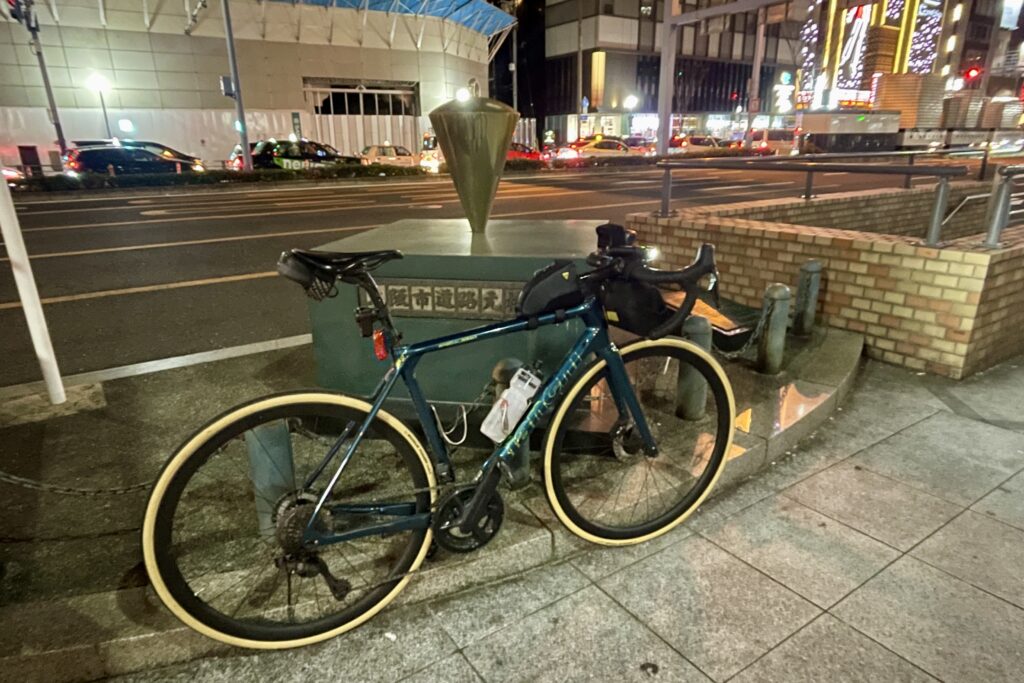
Cycling through Japan’s tourist destinations is wonderful in its own right. But if you want to touch the very heart of local cycling culture, why not stand at the starting point in Nihonbashi, press the stopwatch, and begin your own journey west?
- HOME
- Basics & Preparation for Cycling in Japan
- The Ultimate Proof of Endurance in Japan. Riding from Tokyo to Osaka in 24 Hours: The “Cannonball”