Time-Travel by Bicycle: Exploring Japan’s Ancient Five Highways

The Five Highways, or Gokaido, were five major routes established by the Tokugawa Shogunate during the Edo period (1603–1868), all starting from Edo (modern-day Tokyo). These routes were essential for transporting goods, facilitating travel, and accommodating the daimyo processions—the regular journeys of feudal lords between Edo and their domains. Today, many of these routes have been incorporated into modern national and prefectural roads, yet remnants of the old highways and historic post towns (Shukuba-machi), where travelers rested and lodged, still remain. For cyclists, these routes offer a unique chance to ride through history and experience the charm of Japan’s cultural heritage. This guide recommends bicycle-friendly routes for those eager to explore Japan’s history on two wheels.
Profiles of the Five Highways
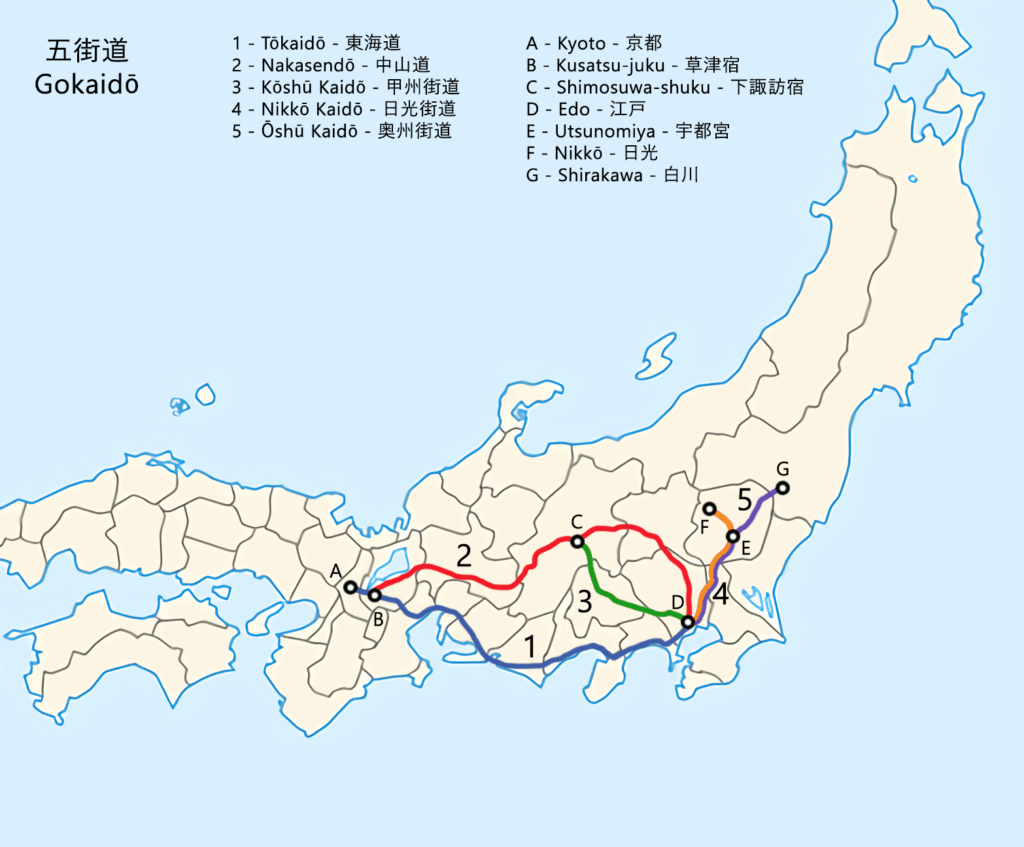
1. Tokaido Road
The most important highway connecting Edo and Kyoto, running along the Pacific coast with varied and scenic landscapes.
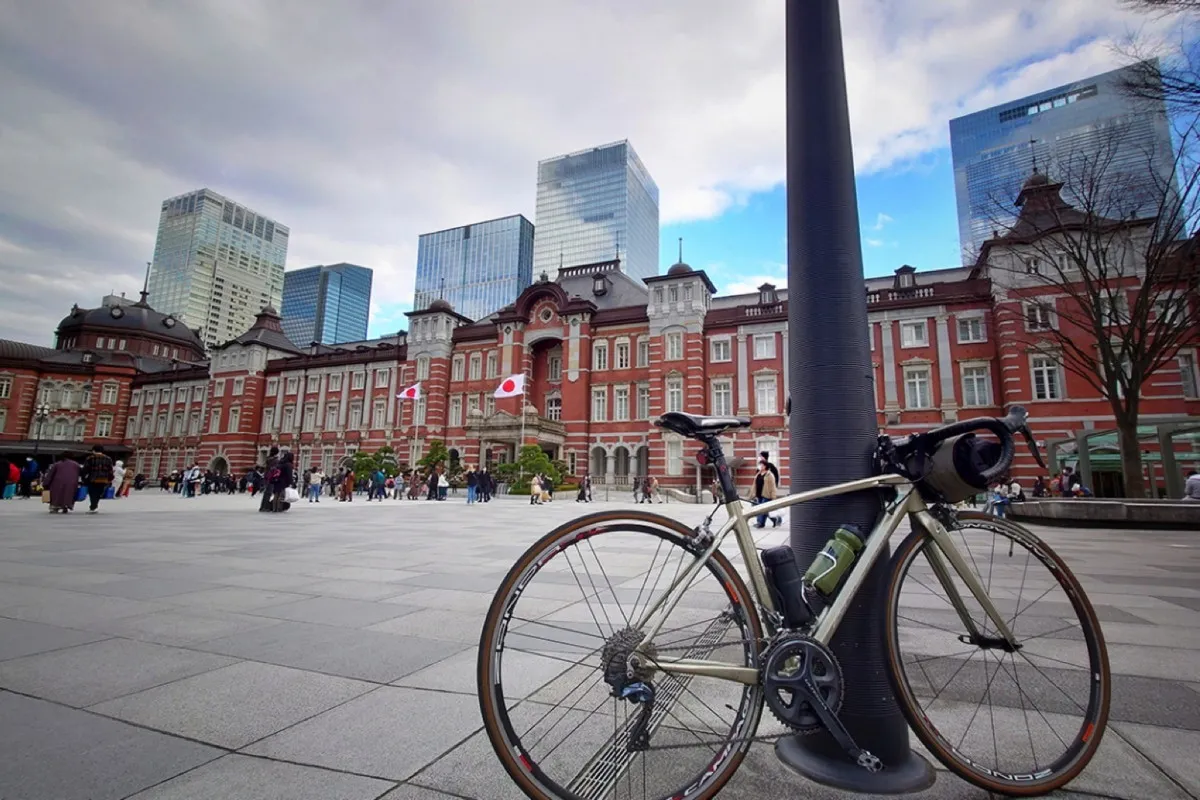
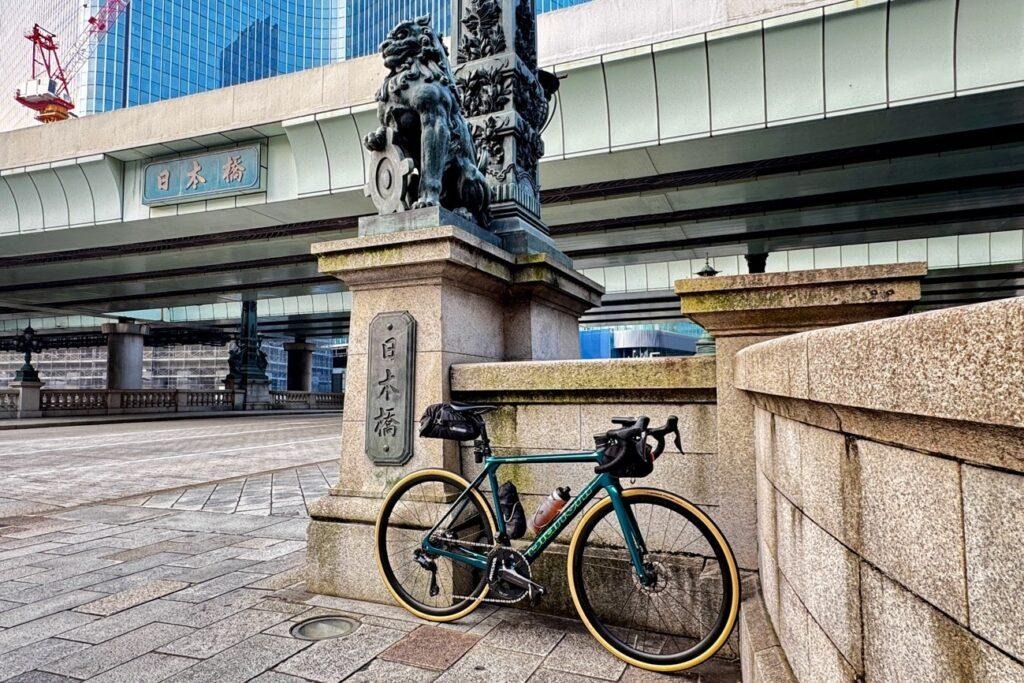
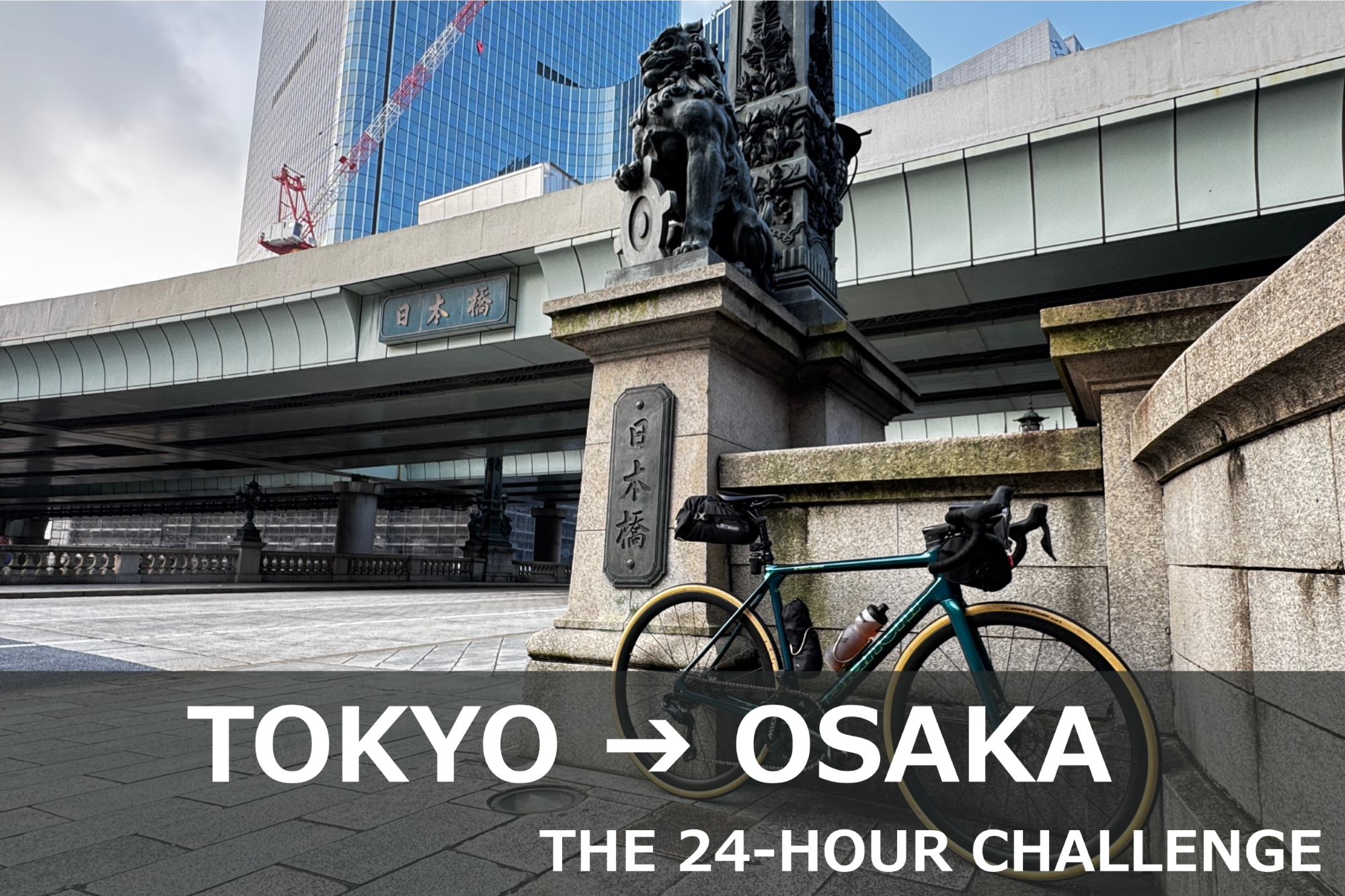
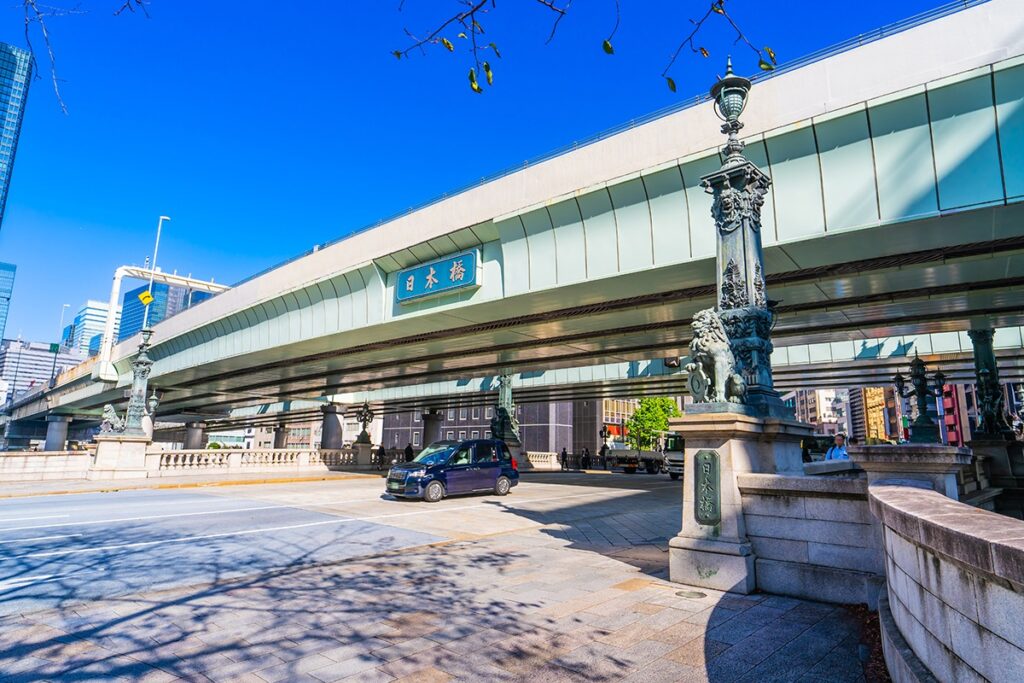
Starting Point: Nihonbashi (Edo)
Ending Point: Sanjo Bridge (Kyoto)
Distance: Approx. 492 km
Number of Post Towns: 53
2. Nakasendo Road
Running parallel to the Tokaido, this inland route also connects Edo and Kyoto, passing through mountainous regions and many well-preserved historic post towns. The “Kiso Valley” section is particularly famous.
Starting Point: Nihonbashi (Edo)
Ending Point: Sanjo Bridge (Kyoto)
Distance: Approx. 534 km
Number of Post Towns: 69
3. Koshu Kaido Road
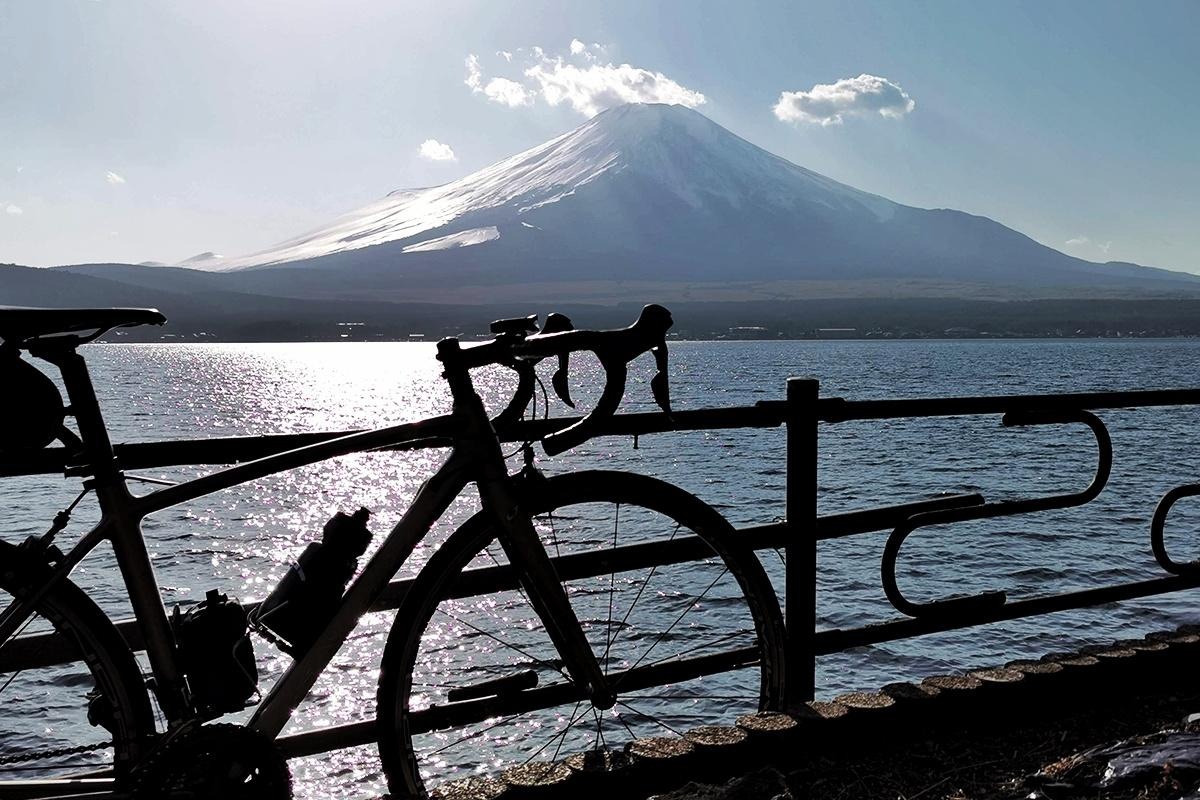
A route leading to Kai (present-day Yamanashi Prefecture), the stronghold of warlord Takeda Shingen, with strategic military significance. Cyclists can enjoy scenic views of Mount Fuji and pass through Japan’s famous wine regions.
Starting Point: Nihonbashi (Edo)
Ending Point: Shimosuwa-juku (merges with Nakasendo, present-day Nagano Prefecture)
Distance: Approx. 210 km
Number of Post Towns: 44
4. Nikko Kaido Road
Developed as the route to visit Nikko Toshogu Shrine, where Tokugawa Ieyasu is enshrined. The road is lined with majestic cedar trees.
Starting Point: Nihonbashi (Edo)
Ending Point: Nikko (Nikko Toshogu Shrine)
Distance: Approx. 140 km
Number of Post Towns: 21
5. Oshu Kaido Road
Leading from Edo to the Tohoku region, this route allows cyclists to immerse themselves in the world of Matsuo Basho’s famous travel diary, “Oku-no-Hosomichi”, which celebrates the heart of Japan.
Starting Point: Nihonbashi (Edo)
Ending Point: Shirakawa-juku (present-day Fukushima Prefecture)
Distance: Approx. 180 km
Number of Post Towns: 27
The Appeal of Cycling the Highways
Along each highway, historic post towns preserve the spirit of the Edo period. Cycling through these old streets, you can visit former Honjin (lodgings for feudal lords) and Tonya-ba (warehouses and transport offices), experiencing the journey of Edo-era travelers firsthand.
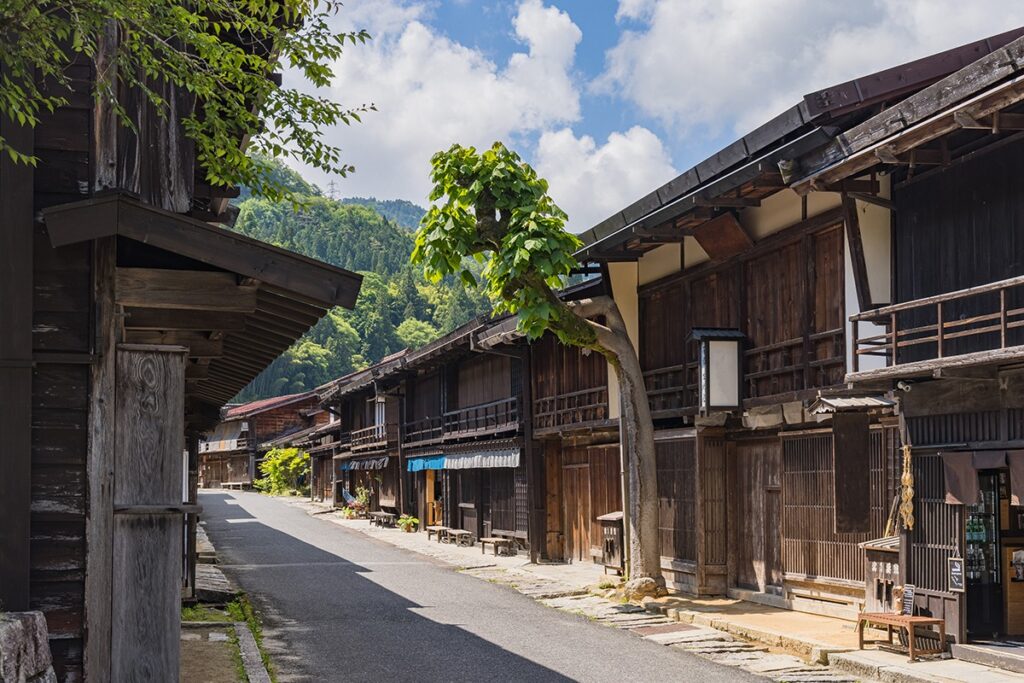
Traditional wooden architecture, stone-paved streets, and charming temples and shrines allow cyclists to immerse themselves in Japan’s aesthetic heritage. Many towns also feature small museums and local history centers, offering new discoveries with every stop. Accommodation is plentiful, from guesthouses in the post towns to hotels in major cities, making it easy to plan your journey.
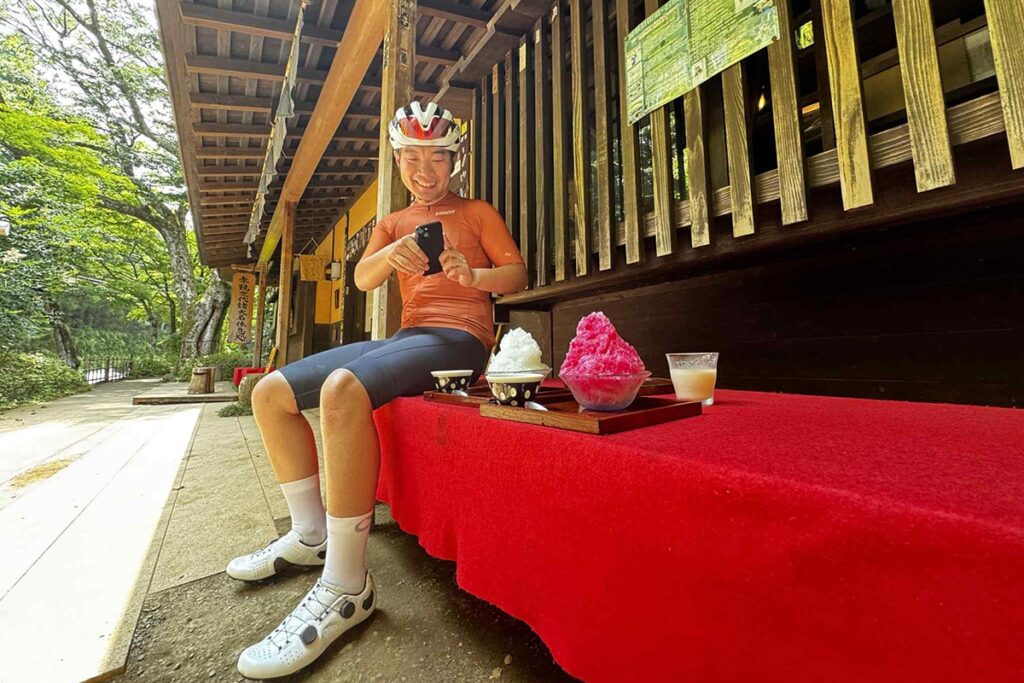
Each route also offers local cuisine and regional specialties. Fresh seafood, mountain delicacies, soba noodles, and local sake are perfect rewards after a day of cycling. Public rest facilities called Michi-no-eki (“Roadside Stations”) provide places to rest, shop for local products, or pick up souvenirs.
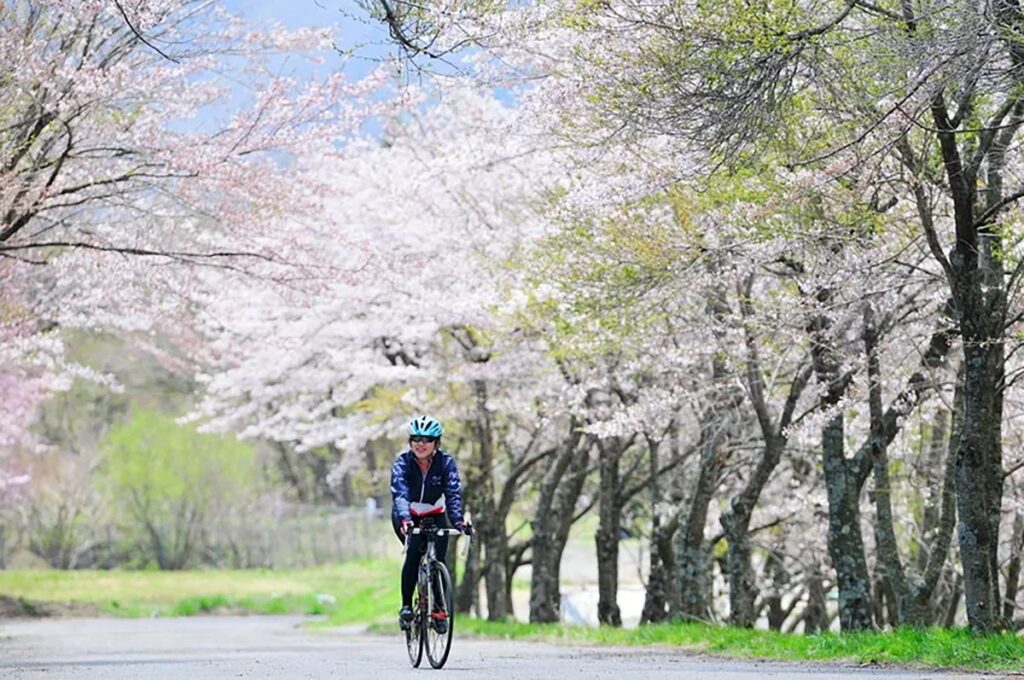
Japan’s scenic beauty changes with the seasons: cherry blossoms in spring, lush greenery in summer, colorful autumn leaves, and snowy winter landscapes (depending on the route). Spring (March–May) and autumn (September–November) offer mild weather and stunning scenery, ideal for cycling. Summer can be hot and humid, while winter may bring snow in some areas, so plan accordingly.
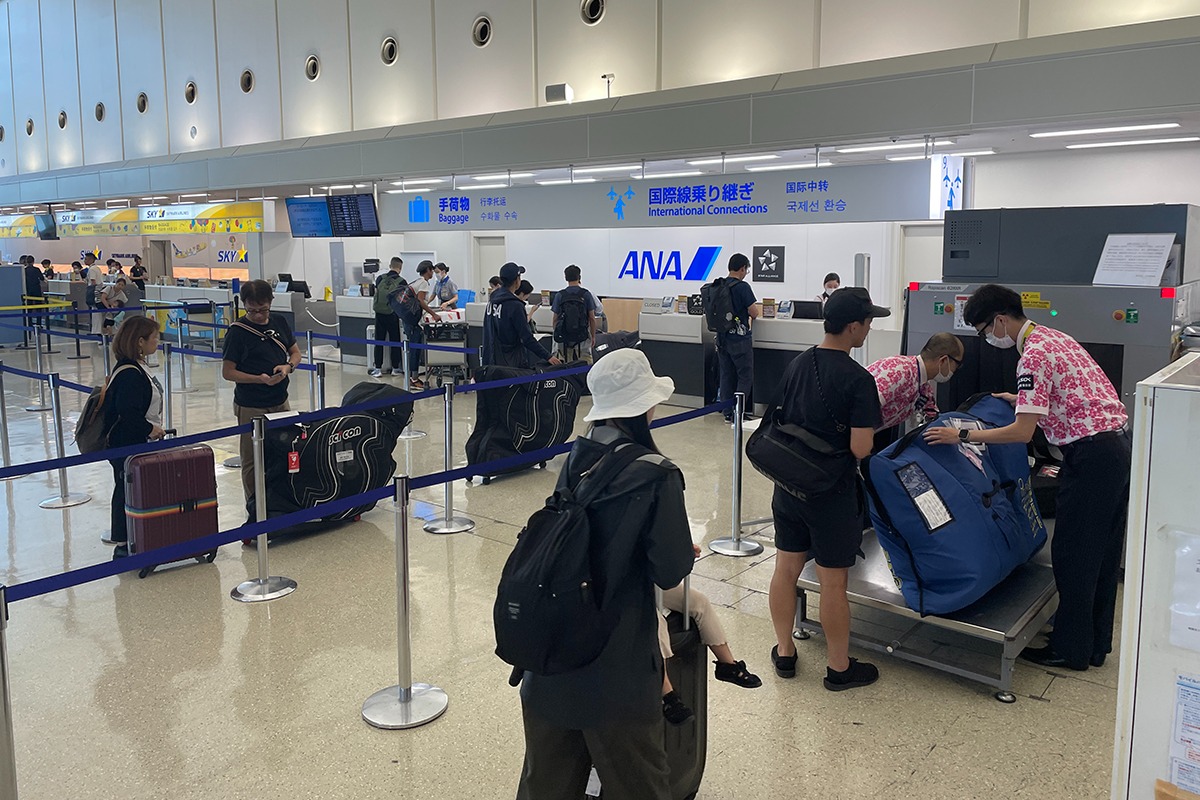
The Five Highways pass near major cities and train stations, making it easy to use “Rinko” (Bike packing) to divide the journey into manageable segments.
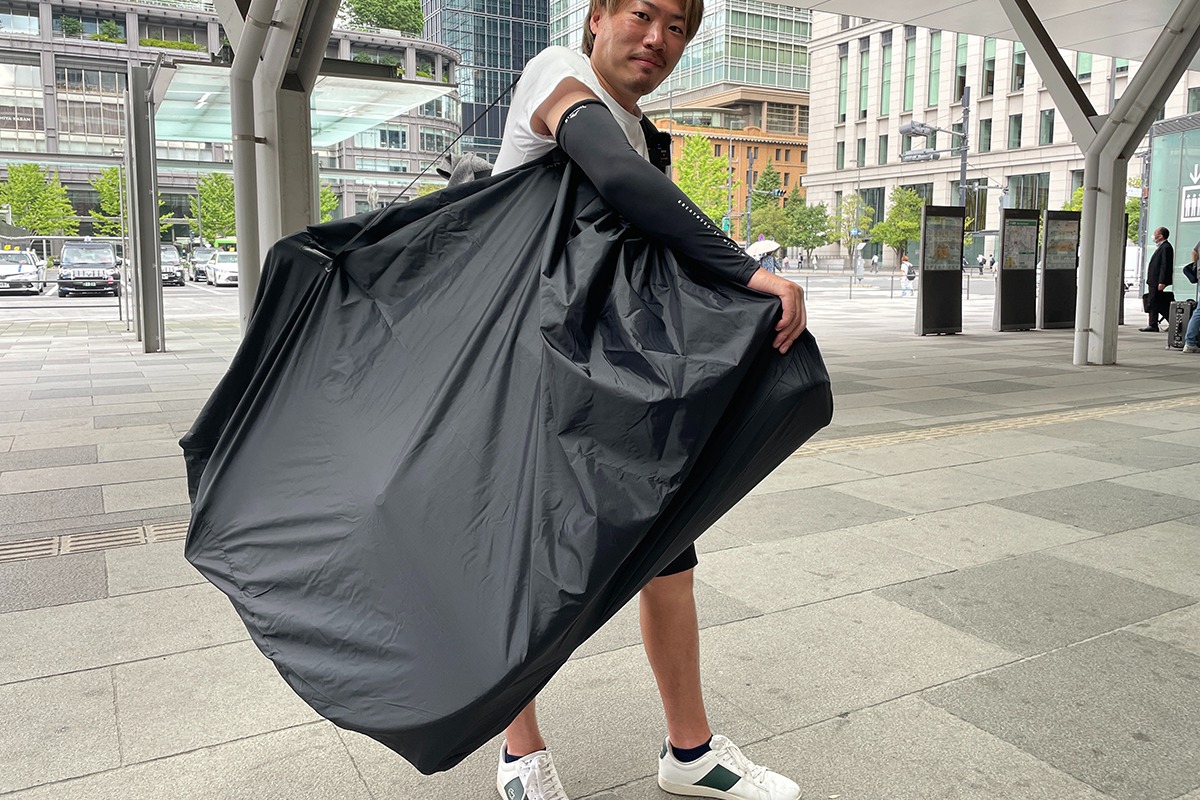
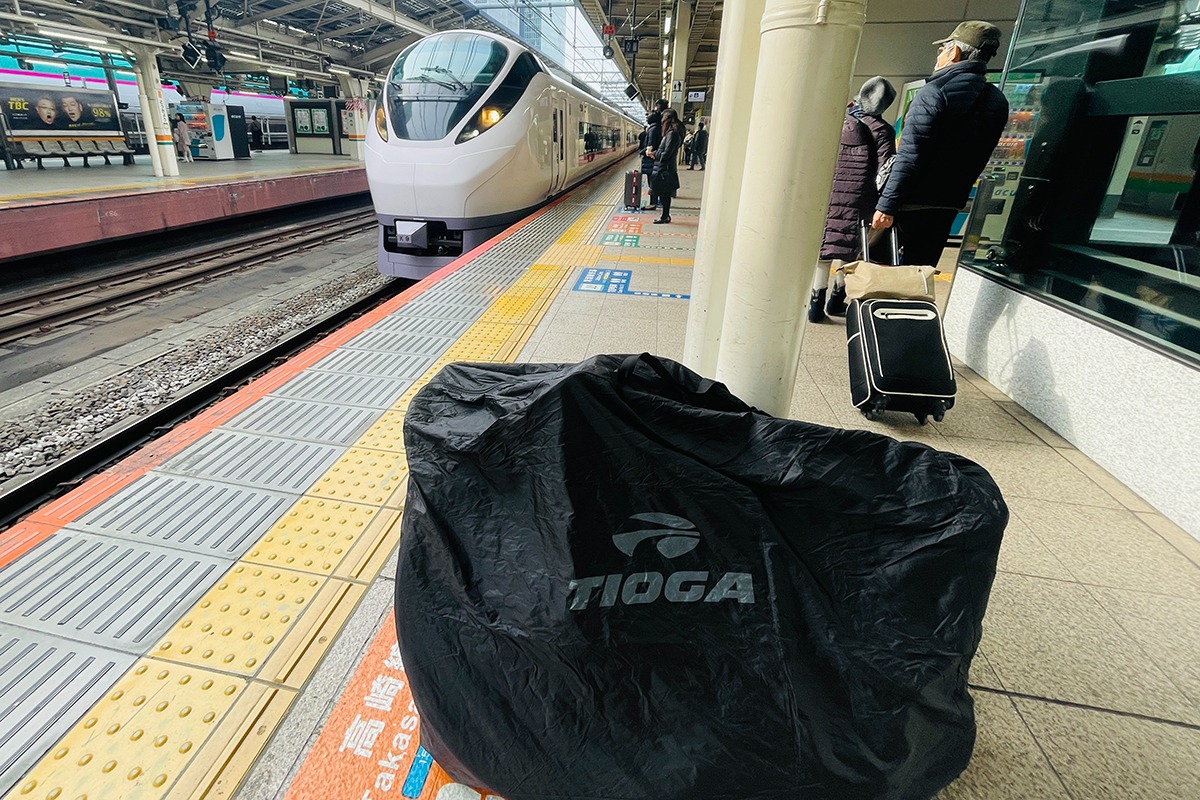
What is “Rinkō”?
“Rinkō” refers to packing your bicycle into a dedicated bike bag so it can be transported on public transit. In Japan, if the bike is inside a bag, you can bring it on the Shinkansen without paying extra fees.The bike must be disassembled—usually by removing the front and rear wheels—and secured to the frame before placing everything inside the bag. Make sure no parts stick out of the bag.
◇
Cycling Japan’s Five Highways is more than just reaching a destination; it transforms the journey itself into a living history lesson, offering a deep, immersive experience of Japan’s cultural richness.
- HOME
- Japan Cycling Routes / Areas
- Time-Travel by Bicycle: Exploring Japan’s Ancient Five Highways
- HOME
- Popular Cycling Routes in Japan
- Time-Travel by Bicycle: Exploring Japan’s Ancient Five Highways
- HOME
- Cycling Routes
- Time-Travel by Bicycle: Exploring Japan’s Ancient Five Highways